Welcoming two new members to our Strategic Innovation Advisory Board
Graciela Mabel Woloj Rothstein and Mikkel Z. Oestergaard, PhD join the board this March
March 9 marks the devastating anniversary of the day my stepson Max died after a three-year battle with cancer. Max was 17 years old. I have dedicated most of the last 34 years to galvanizing the global community to help families avoid the suffering of the premature loss of their loved one. In the process, a thriving global network of people helping people emerged as a beacon of hope and light. The work we do at The Max Foundation elevates the common humanity and interconnectedness among all of us, no matter where we live. We are one, we long for the same, we need each other.
This year, March 9 finds us navigating difficult times yet unwilling to accept a global current that wants to convince us to focus on ourselves and ignore those most vulnerable among us.
While trying to find my footing, a news article published recently resonated with me and reminded me that our capacity to act with humanity is still intact. Today my feelings can be summarized in one short message: this is not the time to be a goldfish. I invite you to read my editorial, published in Devex, and share widely.

Pat Garcia-Gonzalez is the CEO of The Max Foundation. Under Pat’s direction The Max Foundation is dedicated to accelerating health equity by delivering medication, technology, and services to patients facing cancer and other critical illnesses, focusing our energy on those who no one else is helping. Pat lives in Edmonds, Washington, where she raised her four sons.

Now in its 20th year, The Max Foundation is undergoing exciting strategic changes aimed at strengthening organizational efforts to improve global access to cancer treatment, care and support. To that end, we announce the launch of MaxAid, a subsidiary organization set up by The Max Foundation to further its mission. MaxAid is a Washington nonprofit corporation with its own IRS determination letter of 501(c)(3) public charity status.

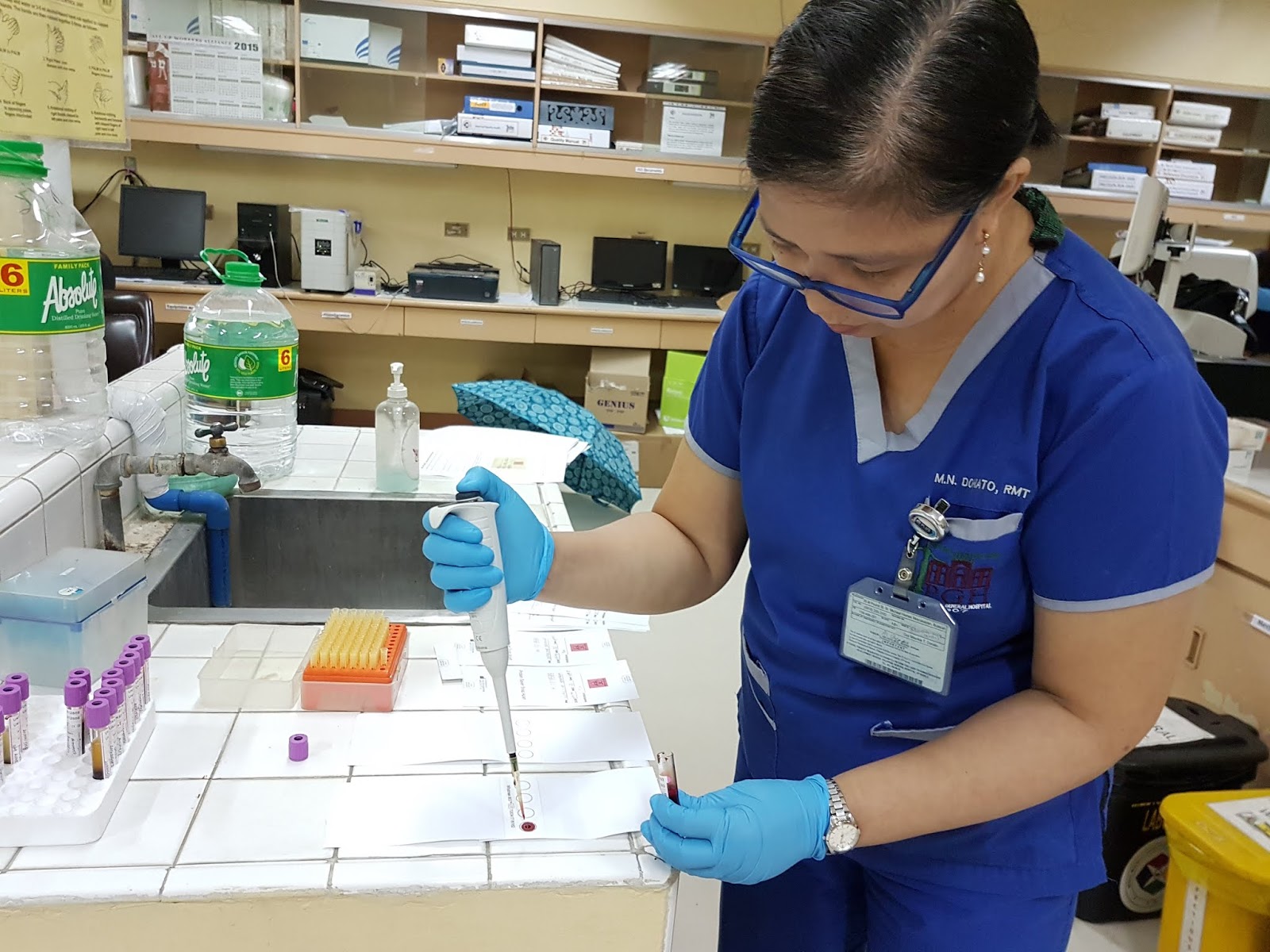
Today, Spot On CML is active in 19 countries and, on June 29th, 17 patients were chosen by the treating physicians at Philippine General Hospital to take part in the program. While CML testing is available in the Philippines, it’s prohibitively expensive – placing critical diagnostic information out of reach for many patients.