What does treatment access mean to you?

What does treatment access mean to you?

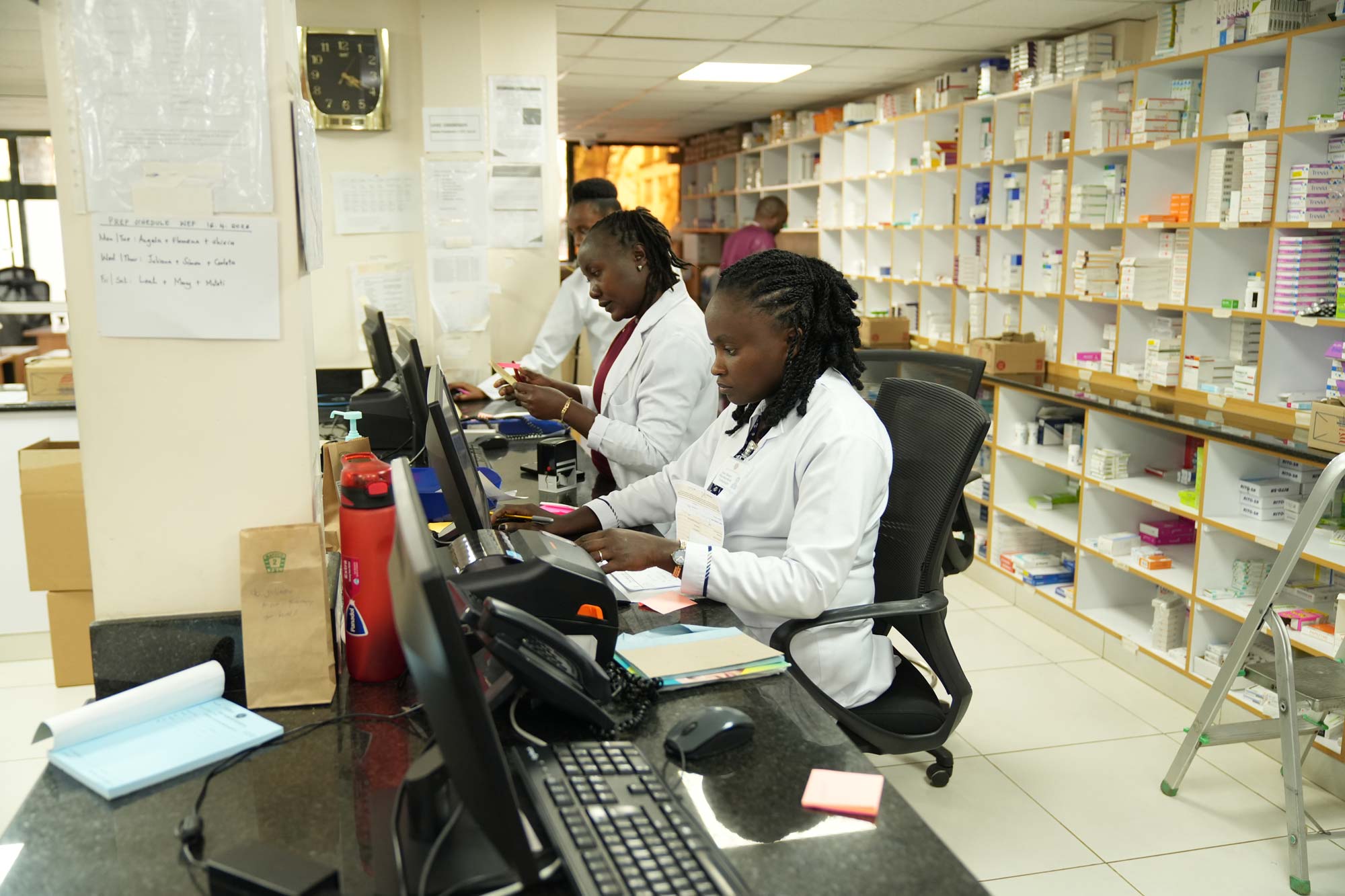
When someone facing cancer gains access to treatment, they gain access to life. With oral chemotherapies, access to treatment isn’t simply a one-time occurrence. Each and every day, tens of thousands of cancer patients take life-saving medication they receive free-of-cost – all thanks to the unseen work of partners, donors, and Max team members.

Treatment access means so much to us at The Max Foundation because we understand what it means to patients. We know so many people living beyond their cancer diagnoses because of the access we are able to provide. We know the privilege of watching patients grow, get married, start careers, and give back to their communities. While treatment access means the world to us and our patients, there are many who do not realize the freedom, joy, and dignity that comes with access to a daily dose.

Words to live by

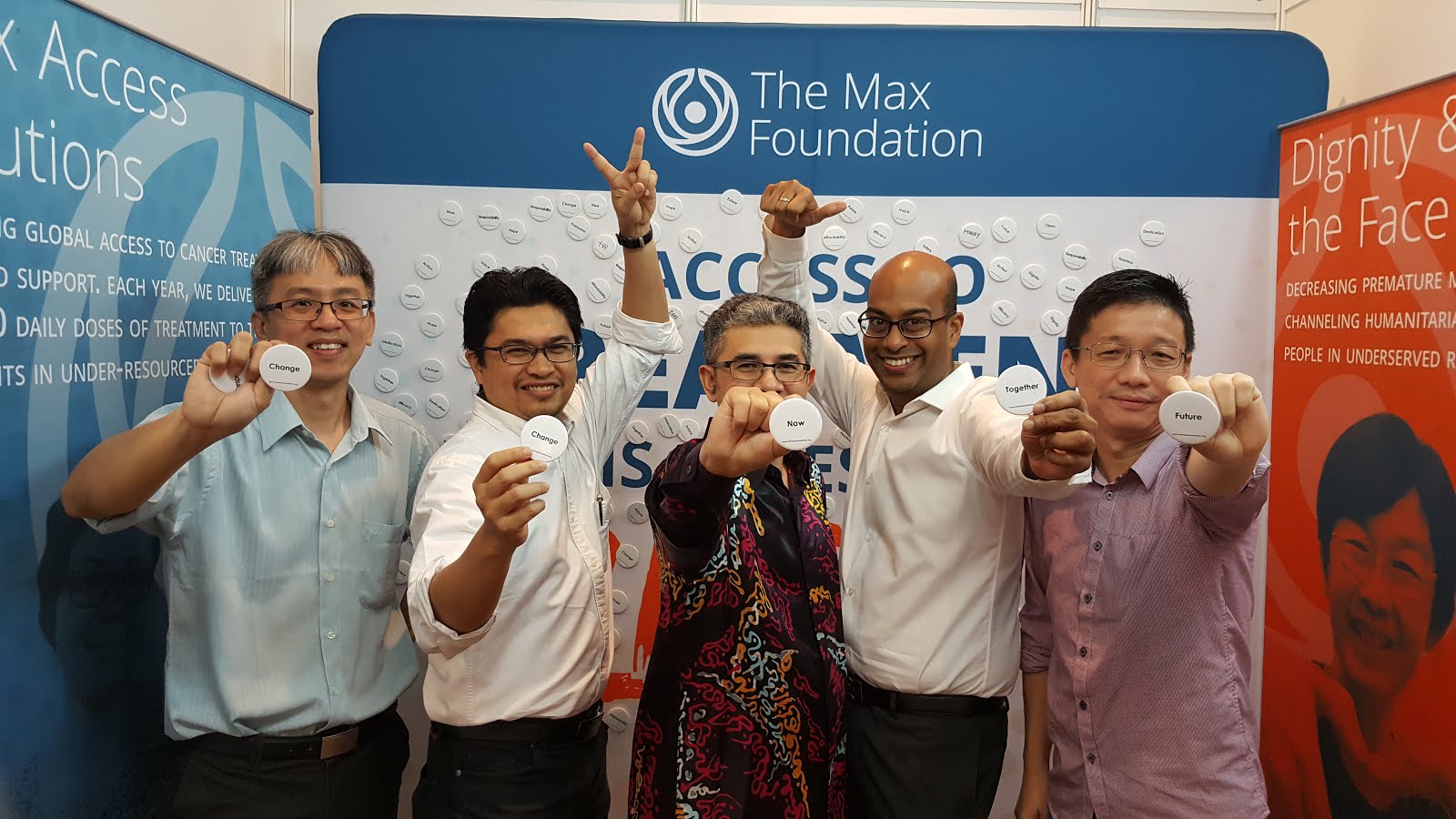
The Max Malaysia team recently attended the Malaysian Society of Haematology (MSH) Annual Scientific Meeting. Surrounded by healthcare professionals, patient advocates, pharmaceutical organizations, and more, we thought it was a great opportunity to hear what people gain when they have access to treatment.

So we created a fun way for people to share their thoughts – hundreds of buttons with different answers to the question, “What does treatment access mean to you?” Attendees selected (and sometimes wrote out) words that reflected their thoughts and then pinned them to our display. Watch as delegates at the meeting shared their responses.

[vc_video link=’https://www.youtube.com/playlist?list=PLIMc_PiZdPhTt78Hj6ZwhXk07BIqrNUvi’]

What about you? What does treatment access mean to you and your community? Share your words in the comments below!

This experience with our new friends at the MSH Annual Scientific Meeting showed that everyone has a role in treatment access. We were proud to represent Max at MSH and to showcase the ways treatment access empowers patients around the world.

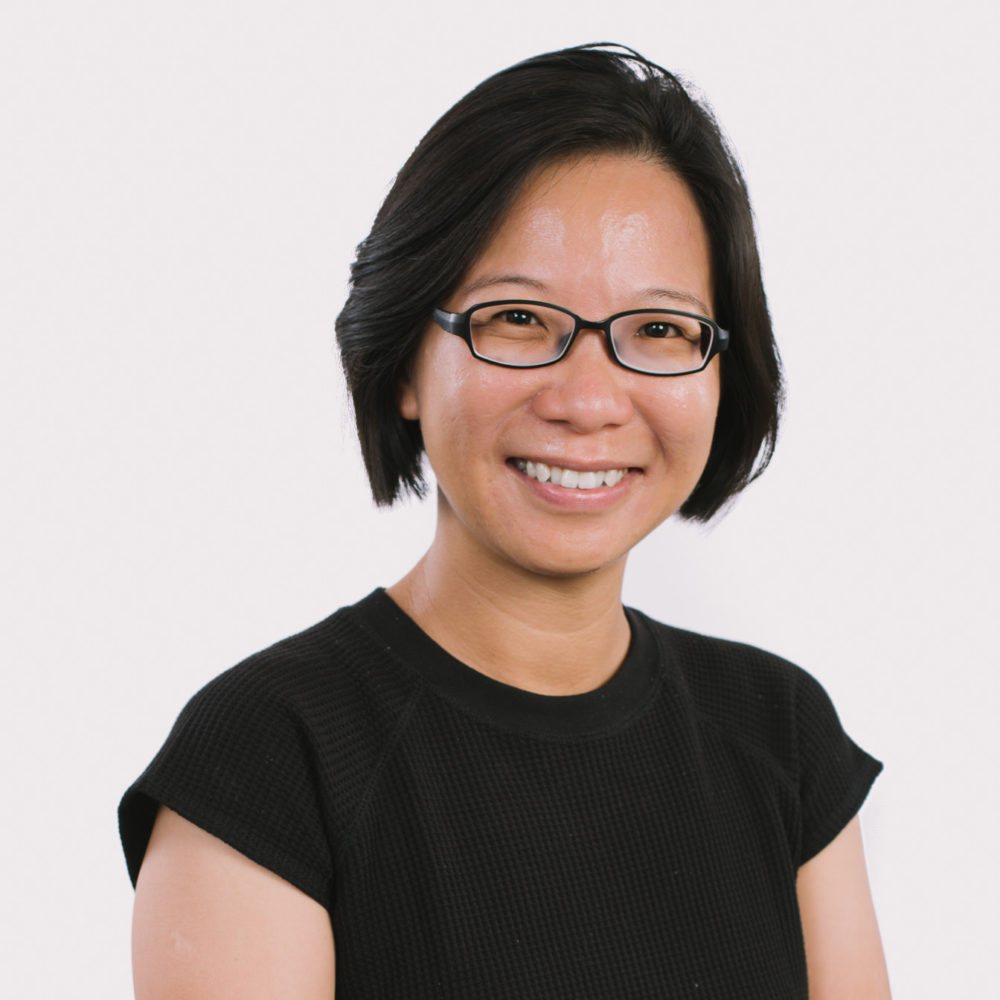
Mei Ching Ong is the Region Head of Asia Pacific, Eastern Europe and Central Asia. Mei Ching is based in our regional office located in Kuala Lumpur, Malaysia. Although growing up in a town facing the South China Sea with beautiful beaches, she is enjoying mountains, jungles and greens more than water, that explains she is spending most of her early morning during weekends in greens. Believing in everyone is connected with each another in this cycle we call life, Mei Ching also believes everyone has roles to play to strengthen the overall well-being of lives of human.

Related Articles

  • The GIPAP Program Detailed in the ASCO Journal of Global Oncology

    The GIPAP Program Detailed in the ASCO Journal of Global Oncology

    Last week ASCO launched the inaugural issue of the Journal of Global Oncology. This new open access, online journal focuses exclusively on cancer research, treatment, and the delivery of care in middle and low resource countries.

    Among the first seven articles, published on September 23rd, are original research, commentaries, and review articles, including a special article looking at the Glivec International Patient Assistance Program (GIPAP), authored by our CEO Pat Garcia-Gonzalez, MS, and others.

  • Take the Chai Five challenge to support cancer survivors in India!

    Take the Chai Five challenge to support cancer survivors in India!

    Take the Chai Five challenge to raise awareness of the needs of cancer survivors while raising funds for their support! What is “Chai Five”? The Chai Five is a list of five simple actions you can take to support people in India who are facing a cancer diagnosis.

  • Treatment for Rare Blood Disorder Provides Hope for the Future

    Treatment for Rare Blood Disorder Provides Hope for the Future

    Dipak from Nepal has always been passionate about music. Ever since he was young, he dreamed of creating songs, performing, and making people happy through his art. “It’s not just a hobby, it is who I am,” he said. Then, he was diagnosed with two rare and debilitating blood disorders – aplastic anemia, where bone….