Amplifying Our Voice for World Cancer Day 2022

Amplifying Our Voice for World Cancer Day 2022

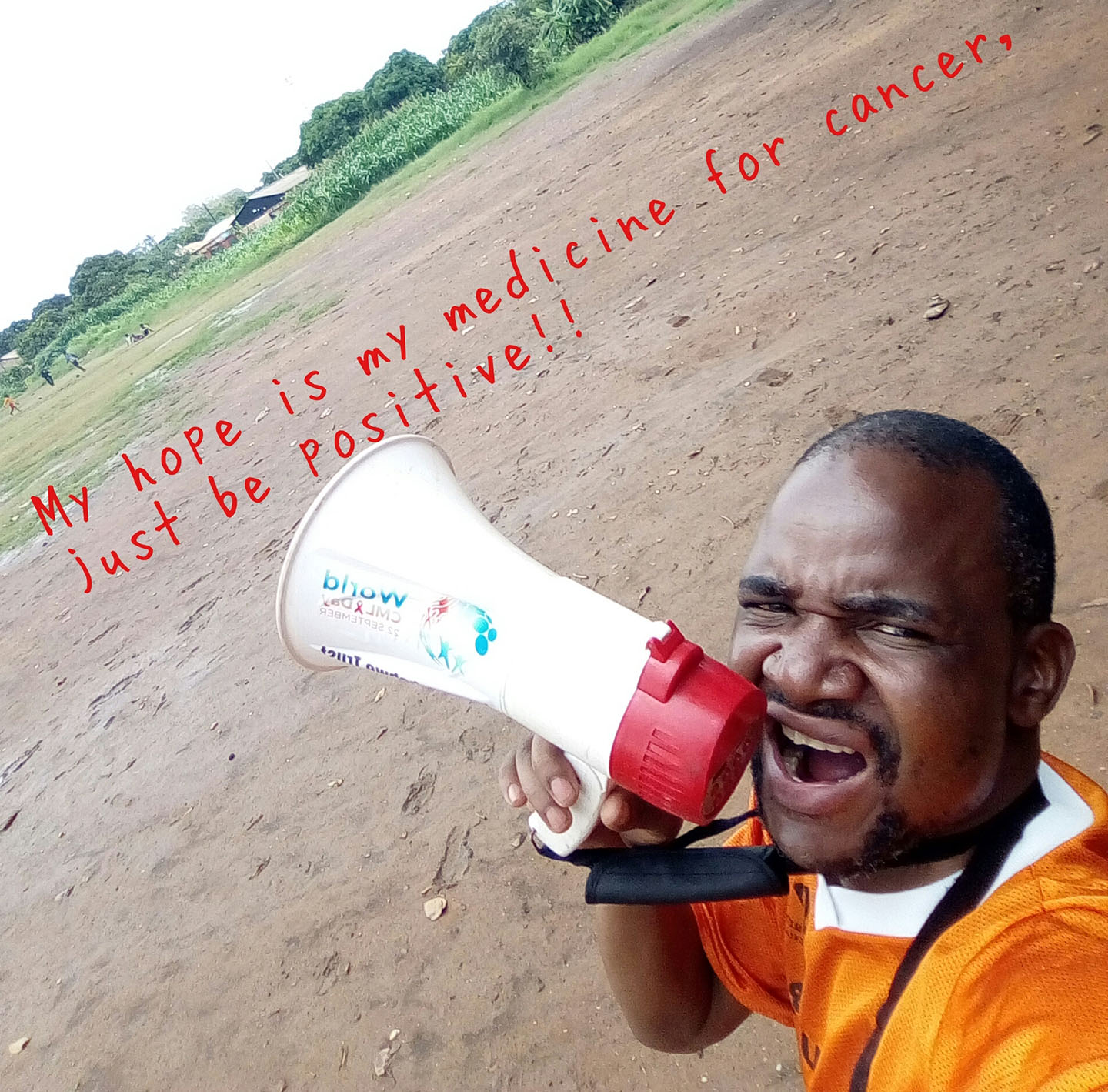
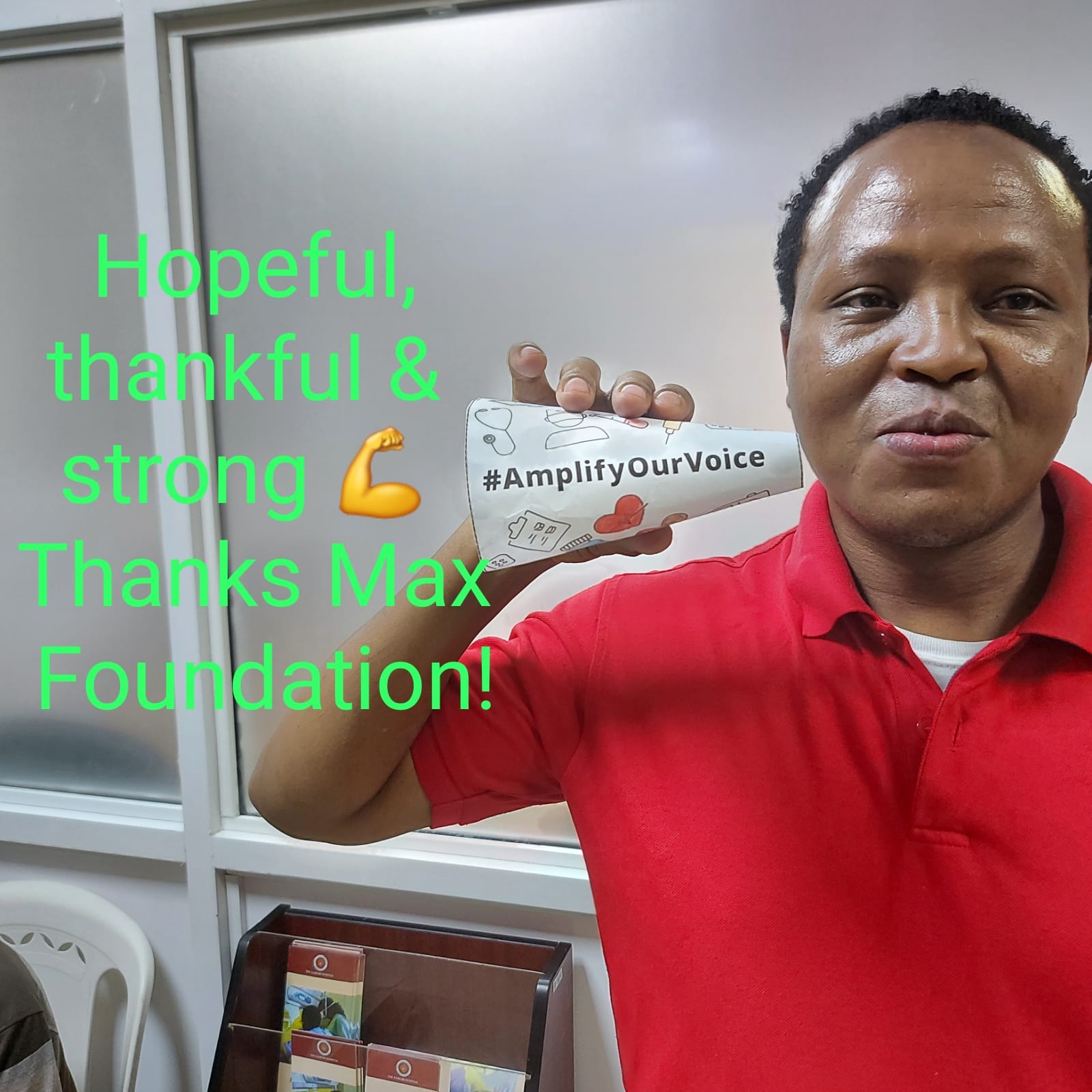
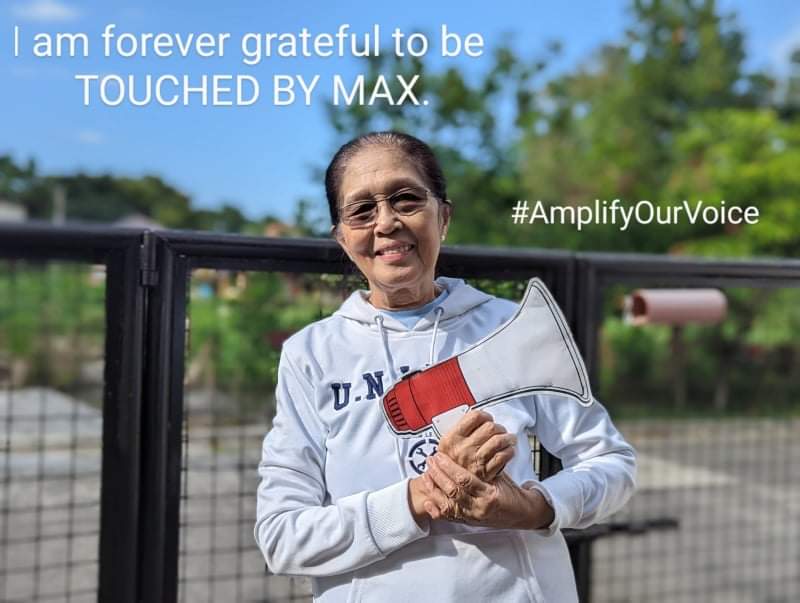
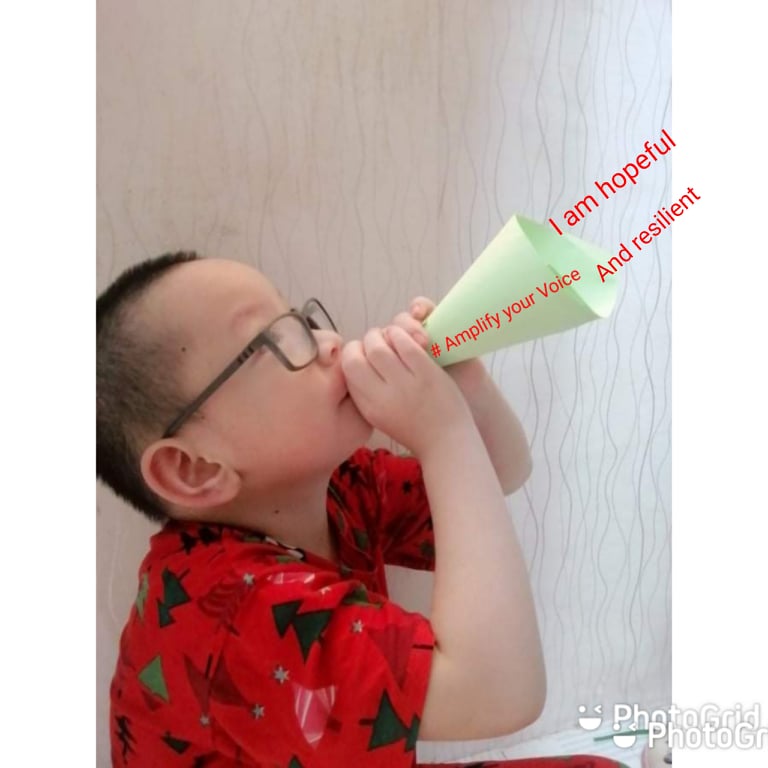
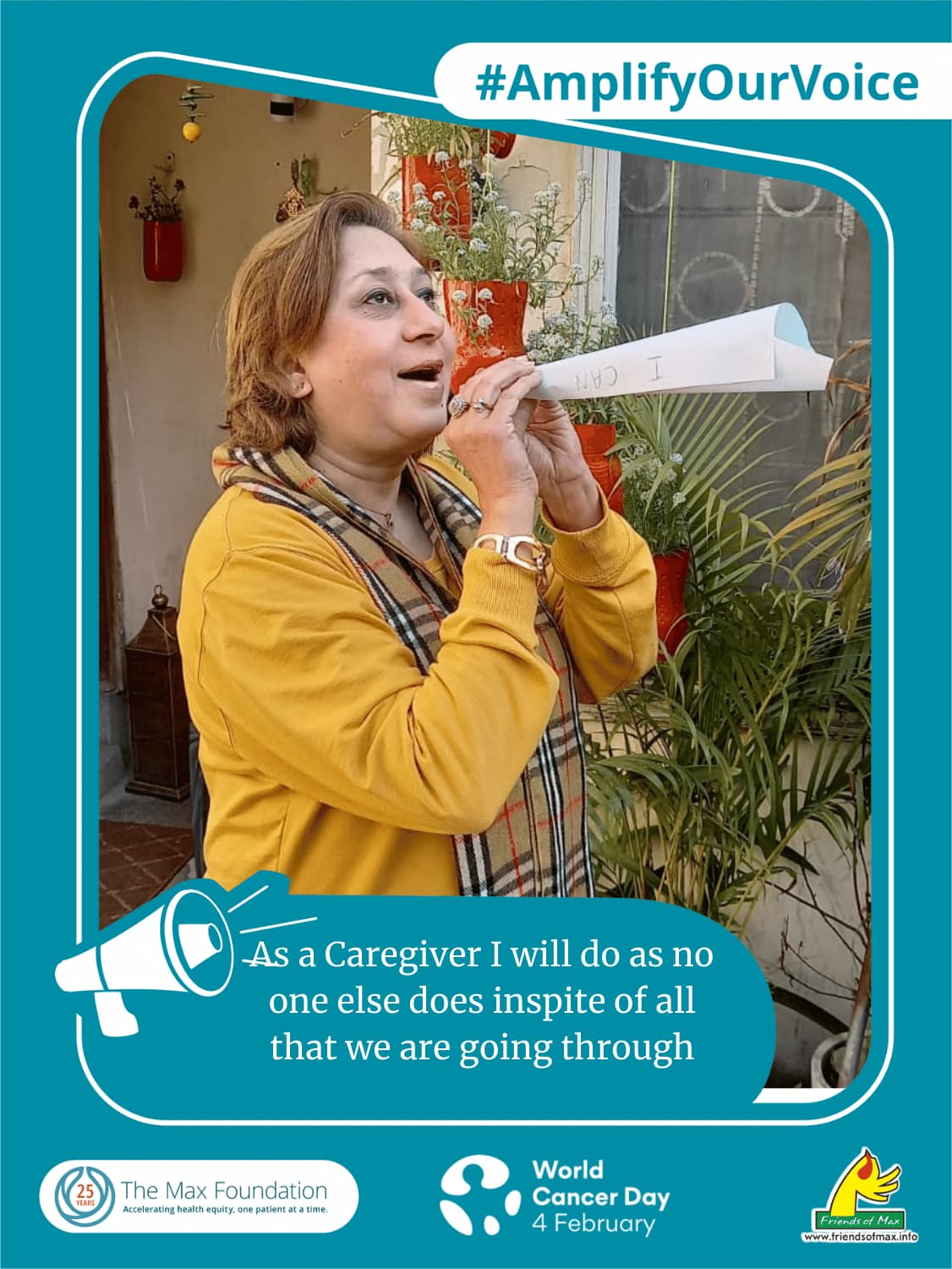
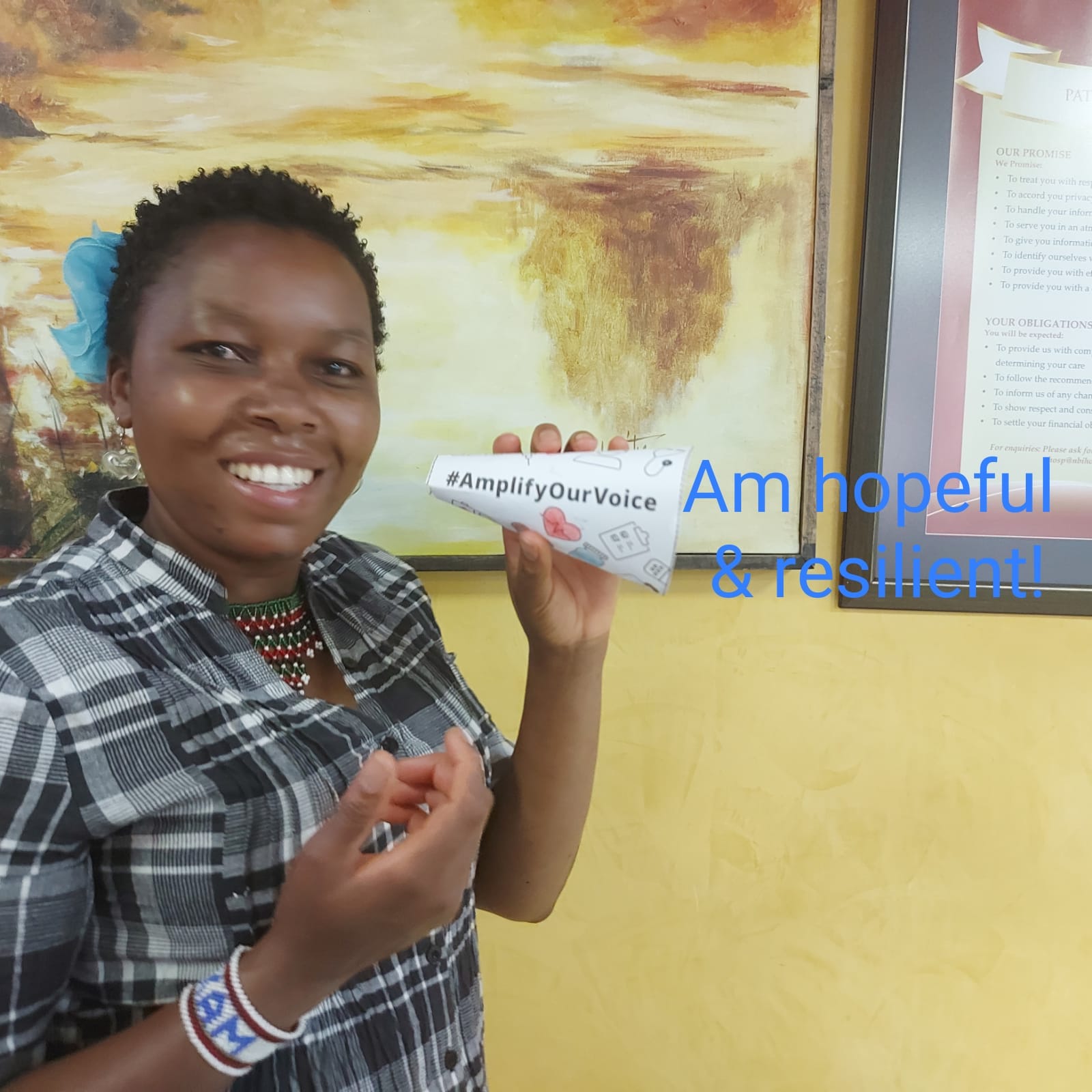
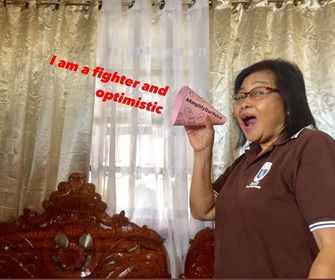
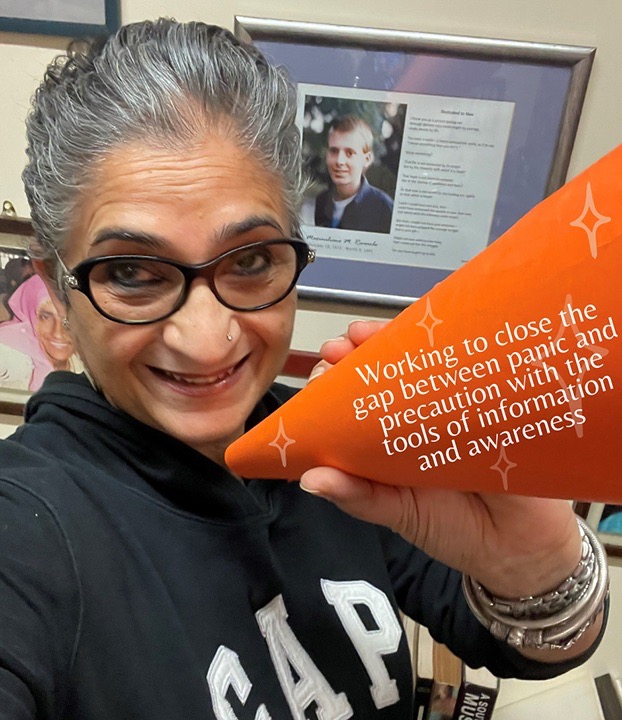
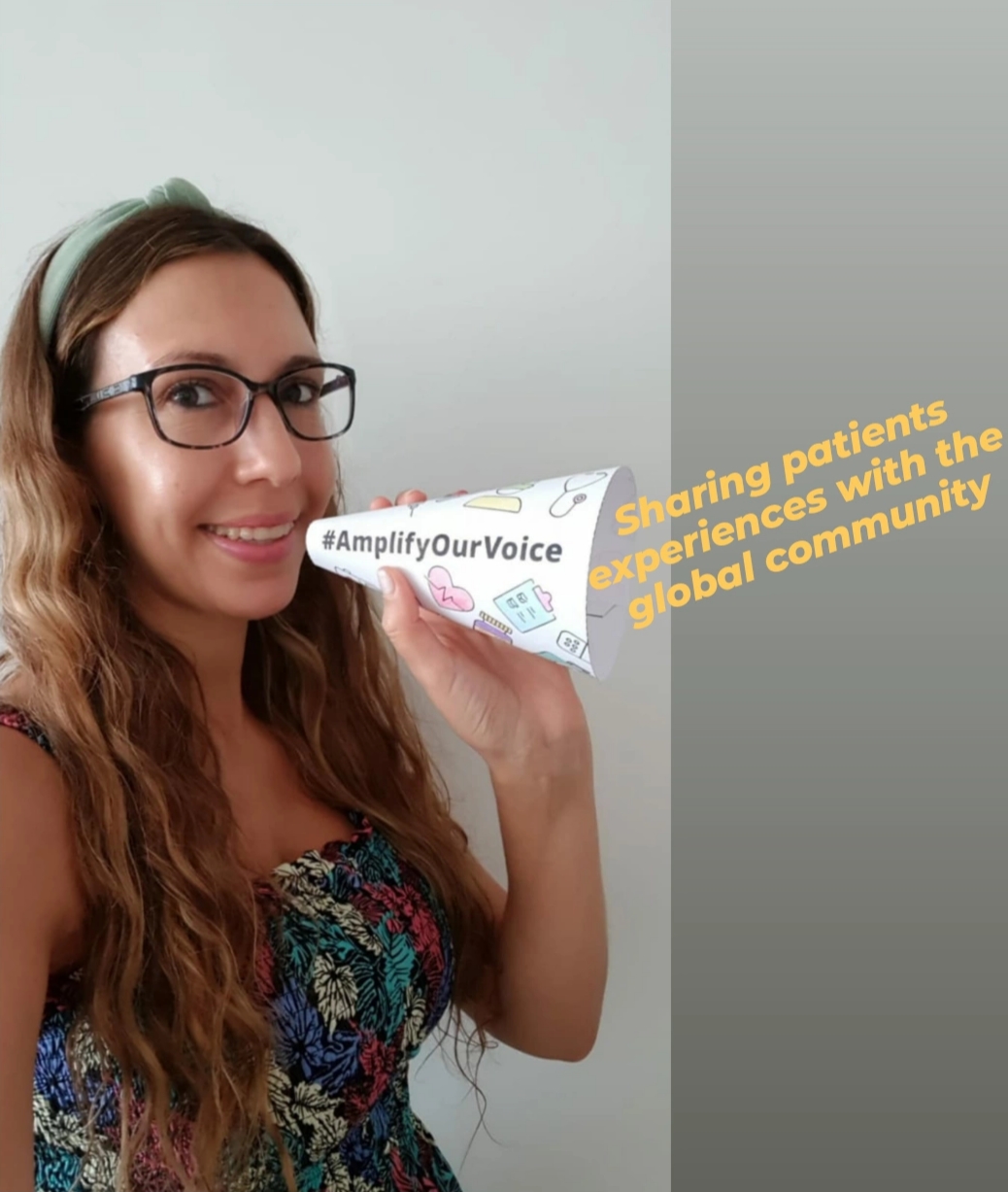
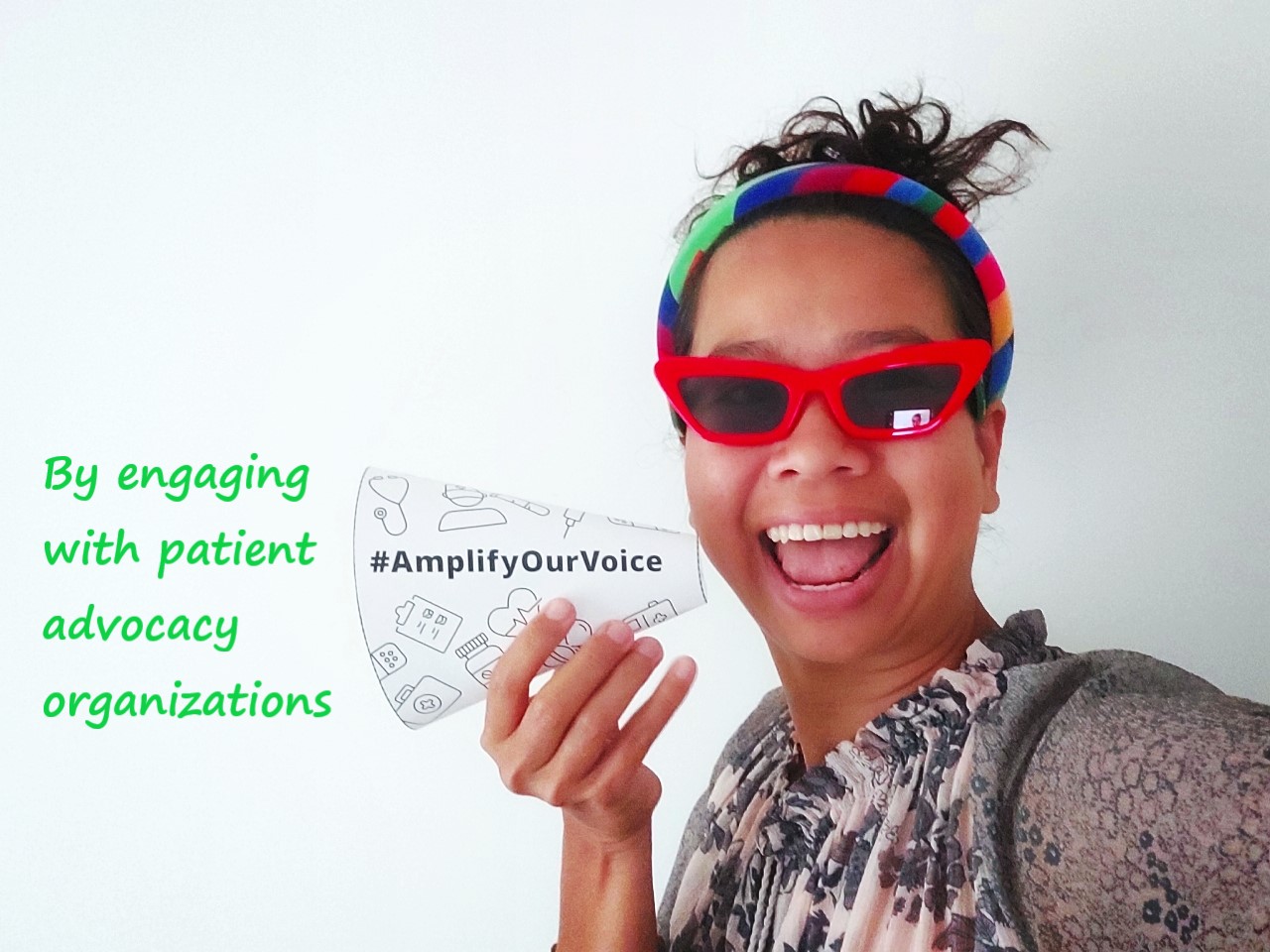
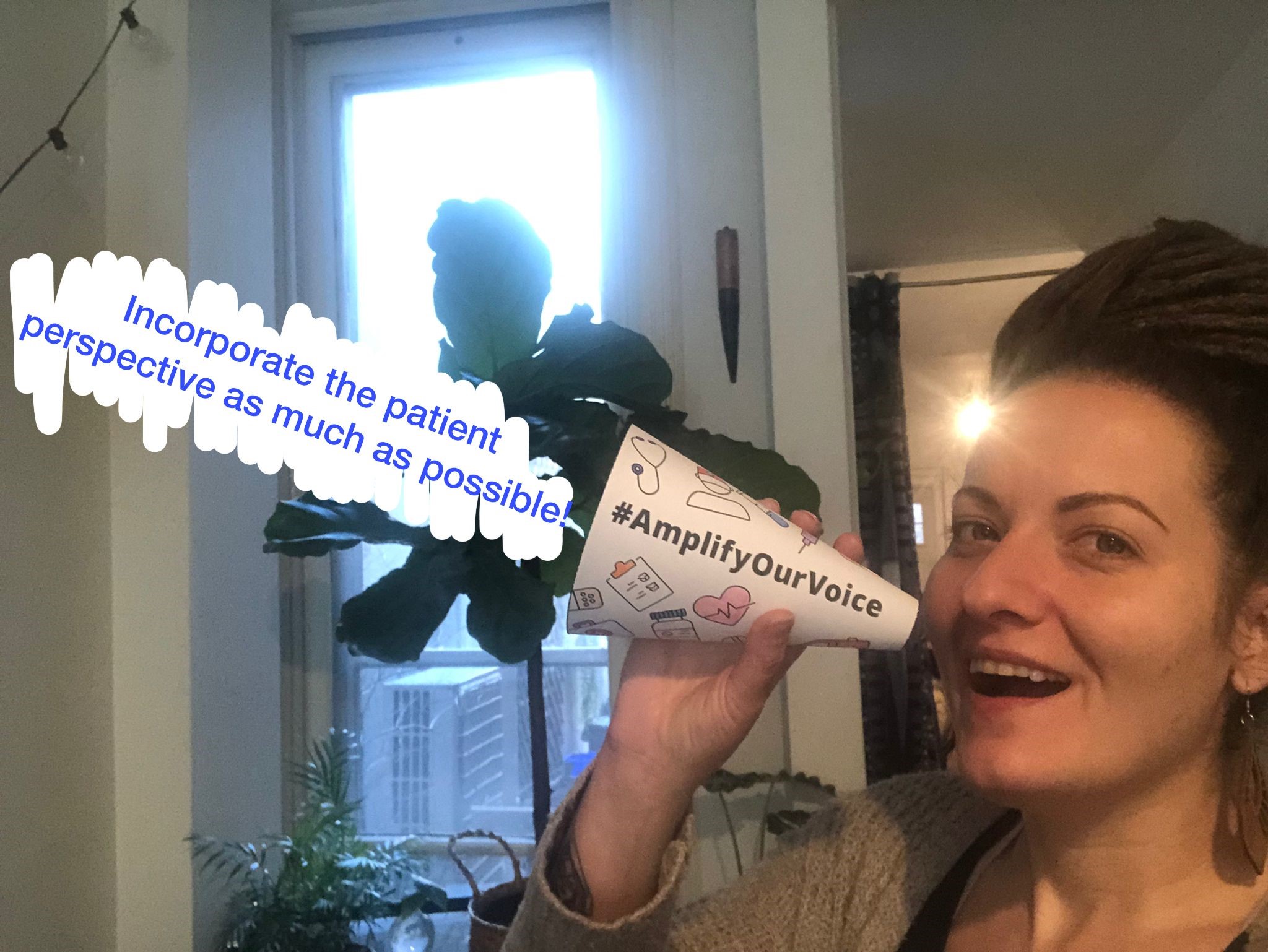
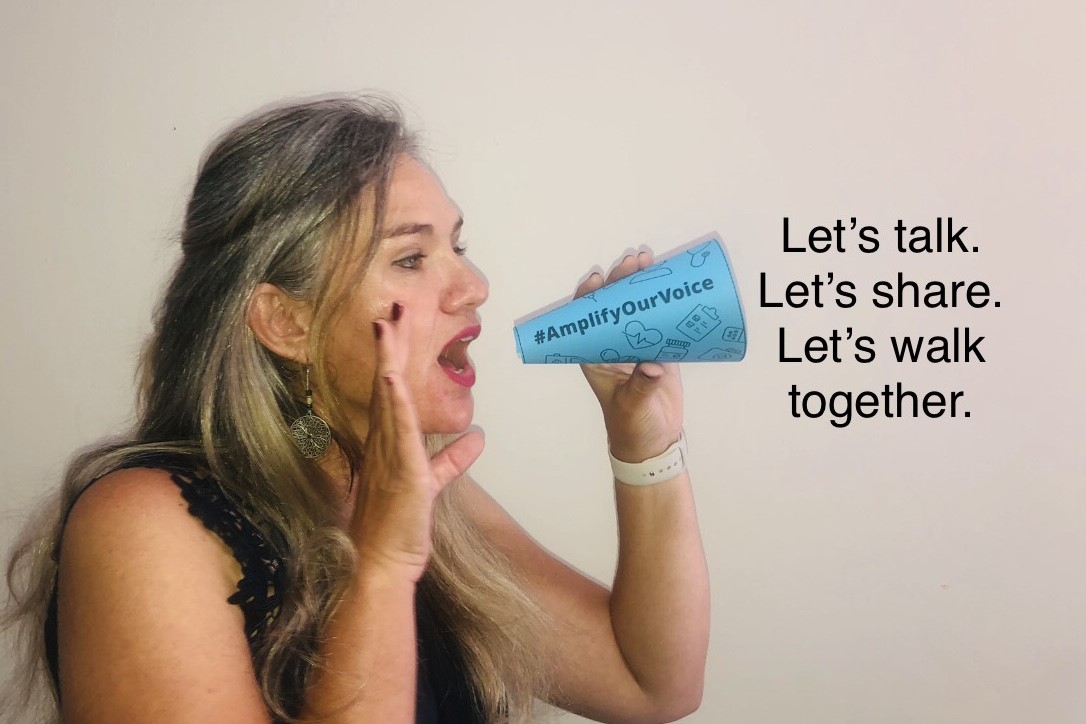
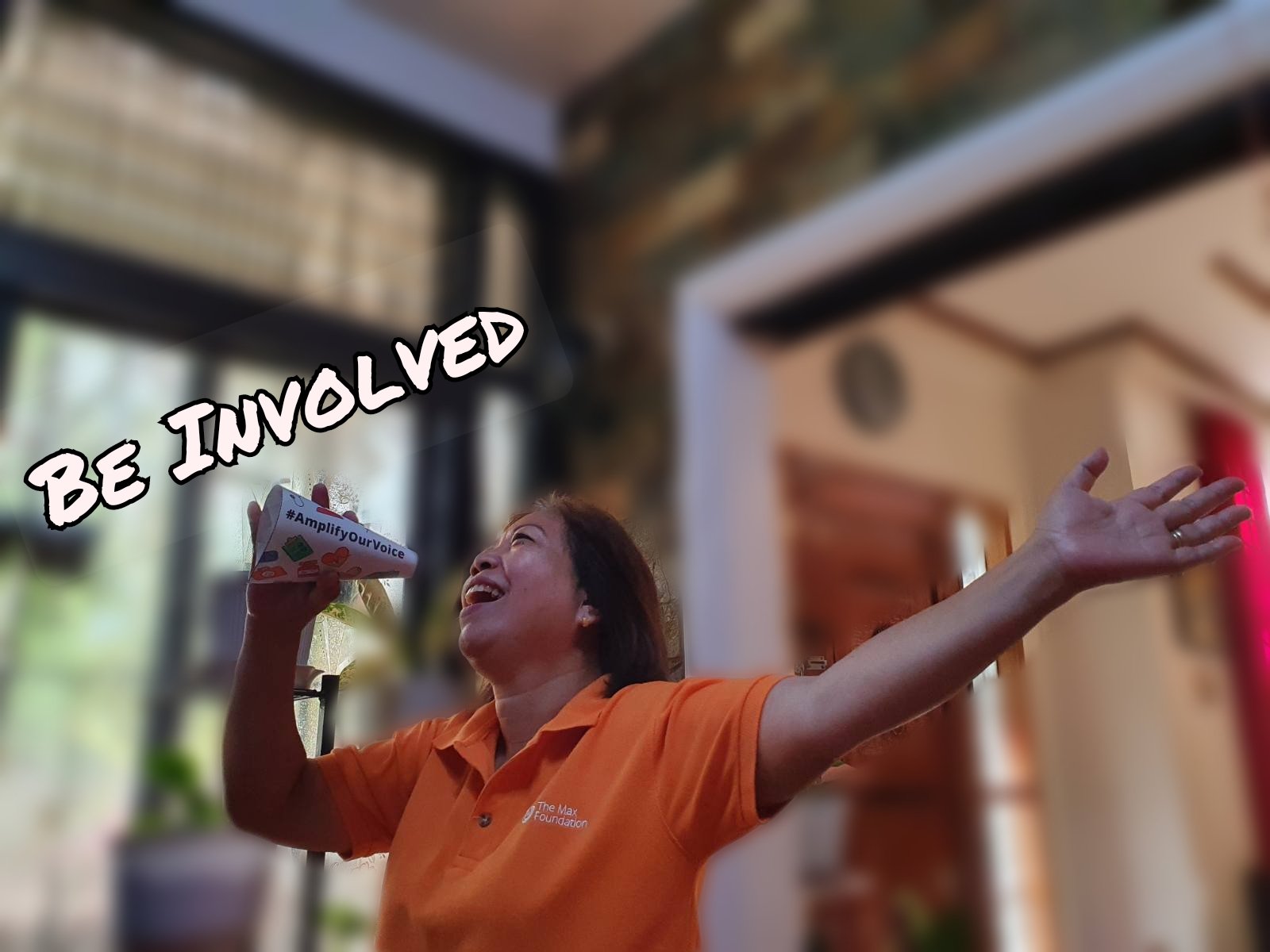
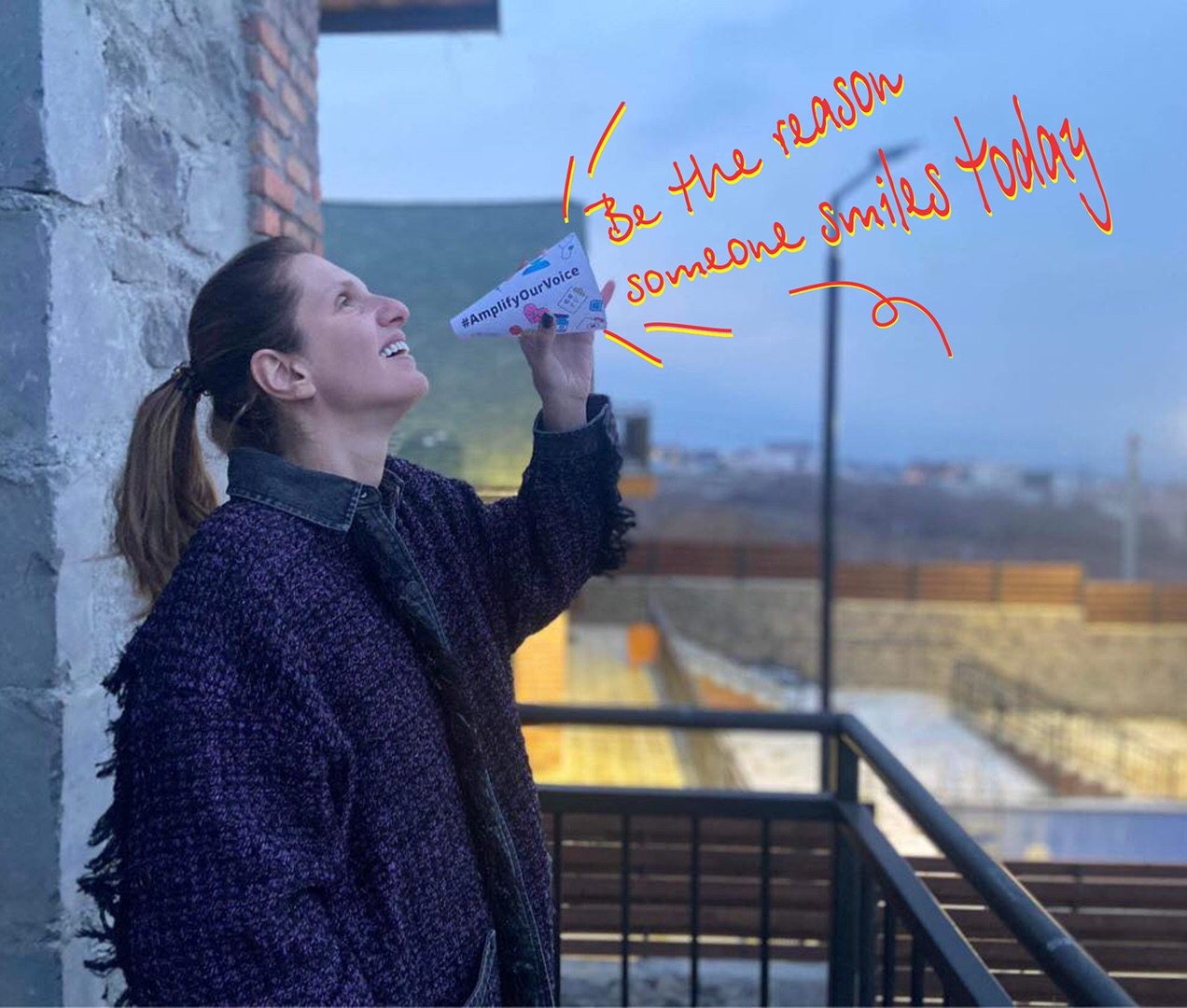
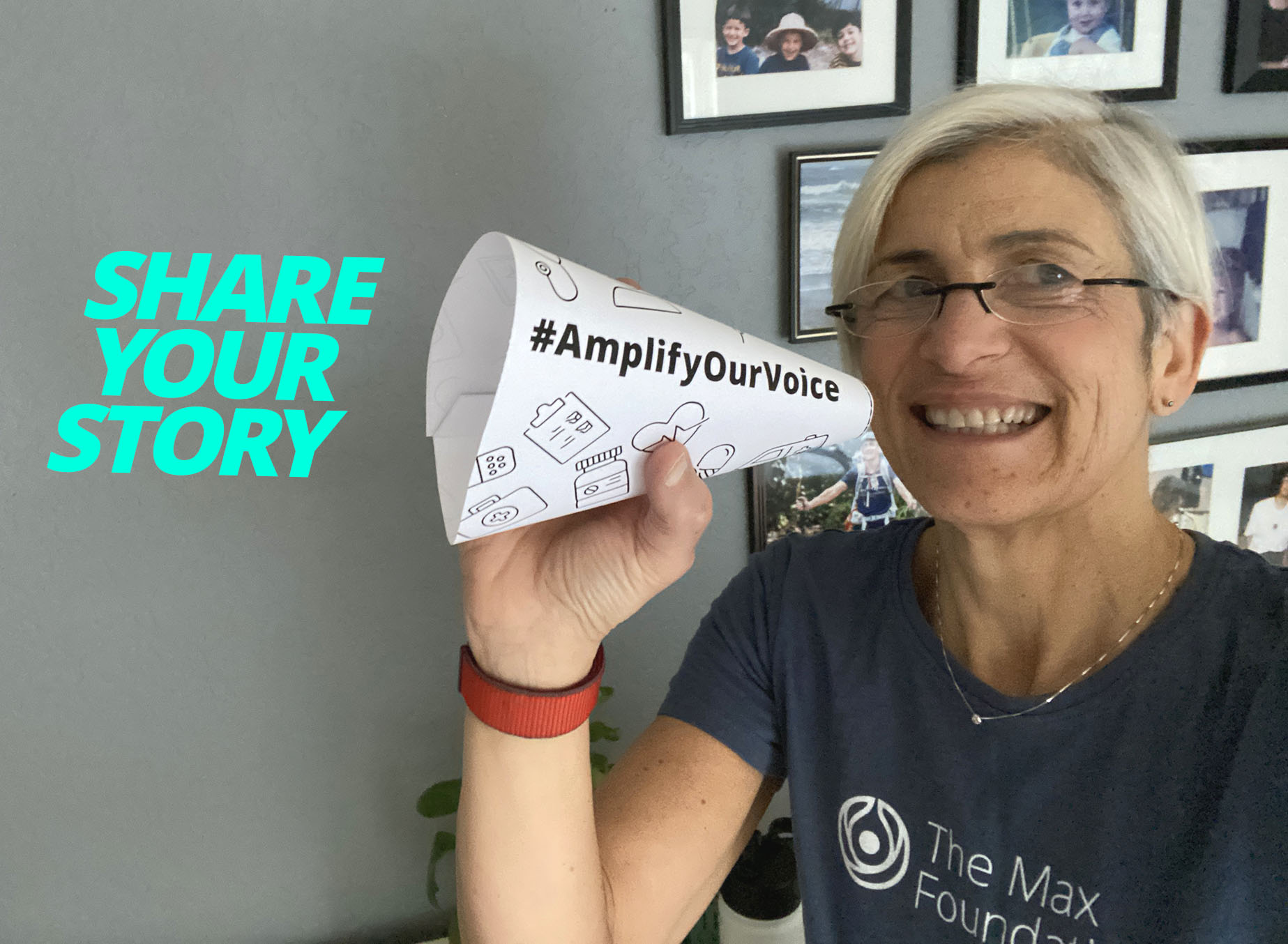
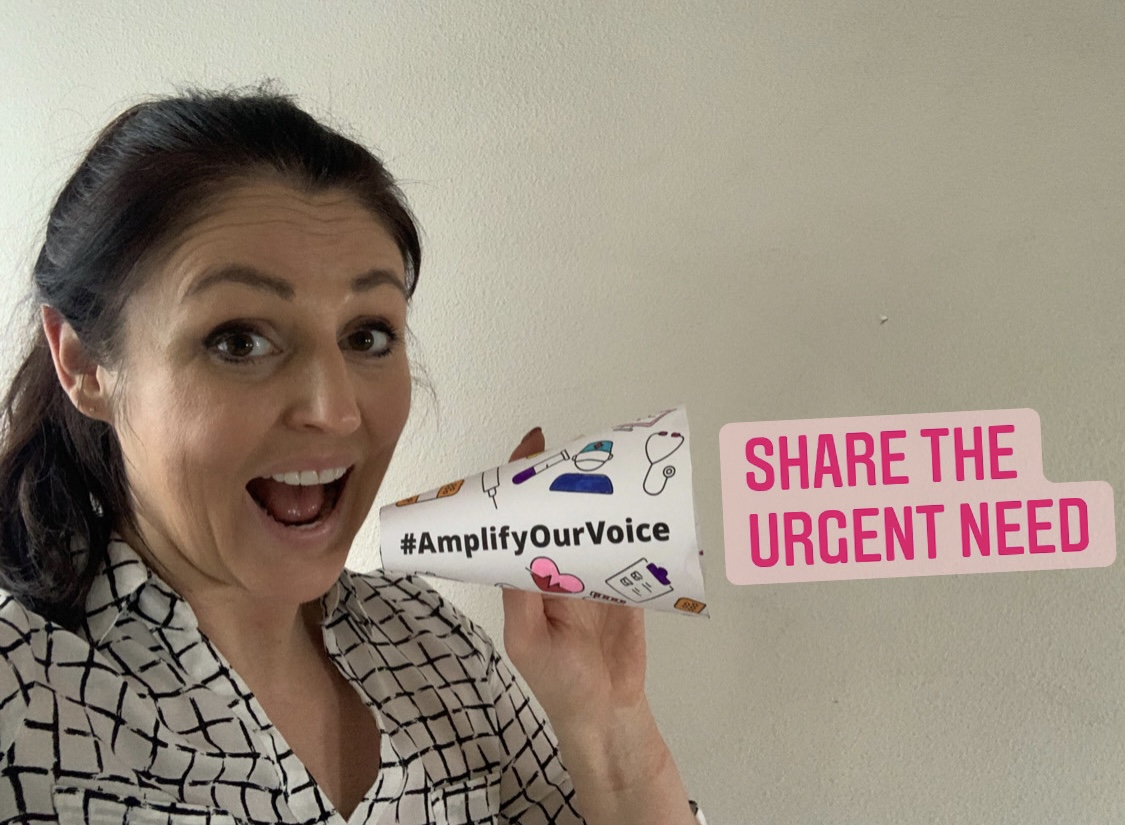
Understanding and recognizing the inequities in cancer care around the globe underpins the 2022-24 World Cancer Day theme to Close the Care Gap. The needs are urgent, and the opportunity exists to make progress toward equitable cancer care for all. We must listen to the perspectives of people living with cancer and let those lived experiences guide our thoughts and actions. This is why for World Cancer Day 2022, our global team members and patients shared their ideas on how to #AmplifyOurVoice, using a megaphone to radiate their message to the world.

World Cancer Day, celebrated on February 4, is a global initiative that aims to raise awareness about cancer education, care, and prevention. The initiative is led by our friends at the Union for International Cancer Control (UICC), a member-based organization whose mission is to reduce the global cancer burden and promote equity.

Our patient community provided inspiring responses to the question what do you want to say to the world about yourself?


How can we amplify the voices of our patients? Our team members have some amazing ideas:

Collective progress occurs when we start at the individual level – each of us can make a difference by amplifying our voice to bring visibility to the barriers that exist in accessing cancer care. There is always something new we can do to advocate for our patients and take action for increased access to cancer care globally:

  1. Take your own photo! Create your own megaphone, snap a photo, and share your message on your social media platforms.
  2. Use your voice: tell at least one new person each month about the inequities that exist in cancer care on a global scale.
  3. Galvanize your network: share a blog post or news article from The Max Foundation with your online community, with a personal message about what it means to you.
  4. Have a birthday coming up? Create a fundraiser and ask friends and family to donate in lieu of gifts.
  5. Do your research: be an advocate by learning something new about global care inequities. Set a goal like reading one new publication per month.

Andrielle Yost is a Senior Program Manager at The Max Foundation. In addition to advancing global health equity, Andie is passionate about gardening, hiking, and her quest to watch all documentaries that exist.

Related Articles

  • Building a Cancer Coalition in Guatemala

    Building a Cancer Coalition in Guatemala

    In Guatemala, there are 14,200 new cases of cancer a year and from this amount 9,100 people die of cancer or 64.7%. Most of these diagnoses could have been prevented or better treated if diagnosed early. In Guatemala only the persons who have access to the national social security plan have free services and treatment, but poor quality and lack of medications or in most occasions. People who do not have social security have to pay for health services and for medications. As per statistics taken from Globocan 2008, the most common cancers in Guatemala are prostate, cervix, stomach, breast and lung cancers.

  • Stories of Survival in Africa

    Stories of Survival in Africa

    Thousands of patients are diagnosed with chronic myeloid leukaemia (CML) annually around the world. CML, like any other cancer, does not discriminate. It affects people from all regions and walks of life. However, unlike many other cancers, CML has an amazing story due to advancements made in its treatment in the last decade. It was only 15 years ago that a patient newly diagnosed with CML would have a prognosis of survival of less than 5 years with the treatments available at the time.

  • Advocacy, a Technology Breakthrough, and a Celebration of Life

    Advocacy, a Technology Breakthrough, and a Celebration of Life

    On a dry sunny Saturday in Addis Ababa, more than 100 people sat in an auditorium at the Black Lion Hospital, intently listening to a panel of experts. Representatives from the Federal Ministry of Health, doctors, local and international NGOs, and concerned citizens, gathered together for the first time, to discuss the challenges of treating cancer in the country. People in the audience were not ordinary people; they were people who were affected by the dreaded C word, cancer. Most of them, parents whose children were undergoing treatment, some of them cancer survivors themselves.