Shining a Light on Makhauhelo’s Gratitude
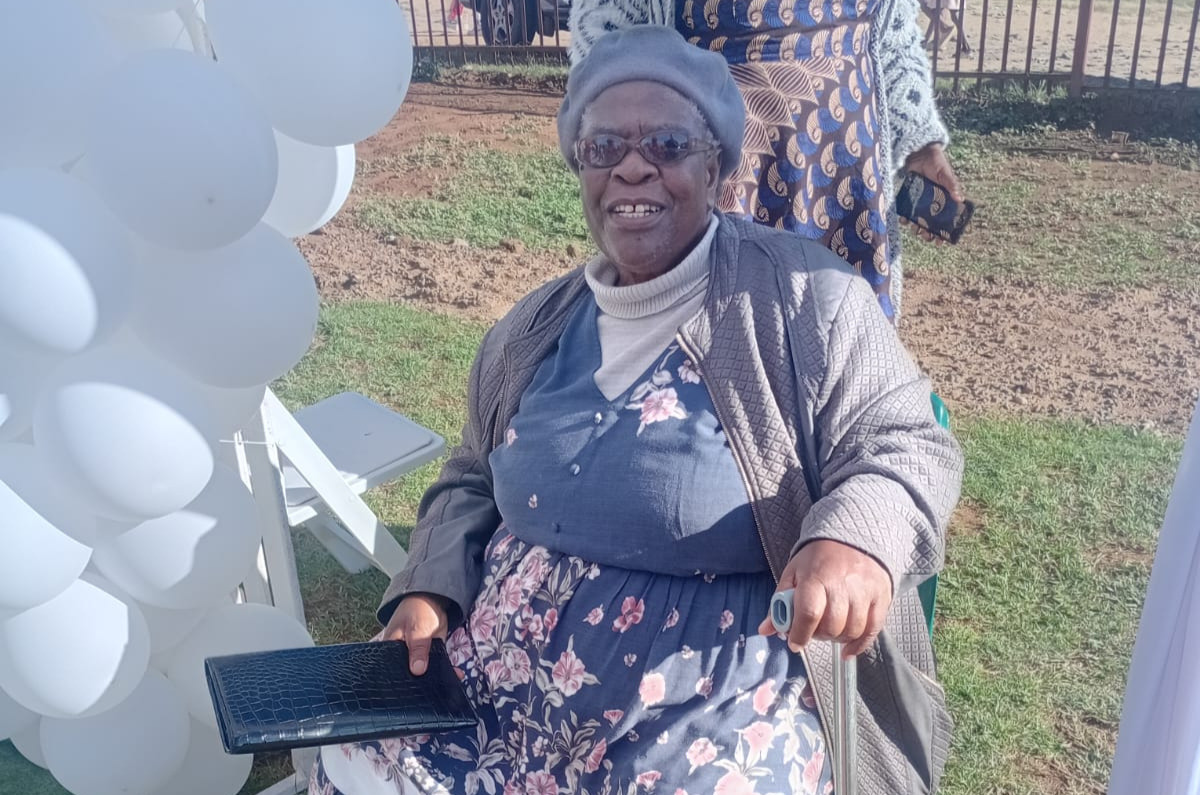
Makhauhelo’s life has been full of ups and downs since being diagnosed with chronic myeloid leukemia (CML). She remembers the fear of not having access to the medication she needed, but also the kindness of healthcare providers who never stopped searching for a solution.
In 2017, Makhauhelo began experiencing weakness and fatigue. Her daughter, who was a nurse at a local hospital in Lesotho, arranged for an appointment there. Makhauhelo was shocked to see her daughter crying after talking with the doctor.
“The doctor explained that the disease had already progressed significantly,” she said. “He told me he didn’t even know how I was still alive. Then he asked whether I had my passport with me.”
Makhauhelo was transferred to a hospital in South Africa. After two weeks of treatment, she was discharged and told the CML medication she needed would be over $3,000.
“I didn’t have that kind of money,” she says. “I was sent home without medicine and told to return only when I could afford it.”
Before she left, one of the doctors there introduced her to a patient assistance program that had previously helped his father, who also had CML. Makhauhelo started receiving medication a few months later. She was overjoyed by the news.
After two years, the international assistance program ended. She felt the familiar worry of wondering what would happen next, and how she would get the treatment she needed. Thankfully, she was able to access it locally.
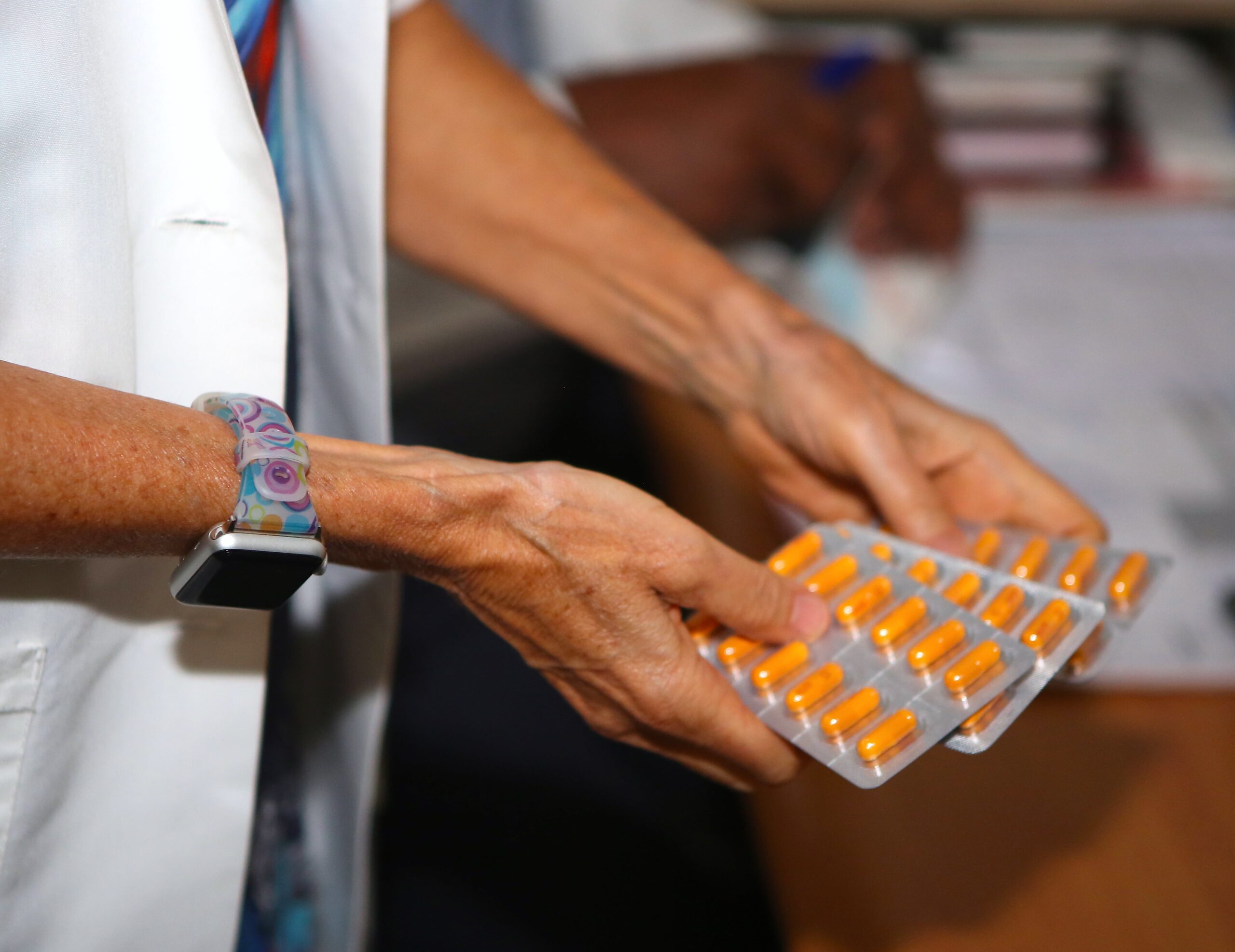
In 2025, Makhauhelo started receiving treatment free of charge through our new CML program in Lesotho. In partnership with local healthcare professionals, we provide access to diagnostics, medication, and support services. Dr. Kabelo Mputsoe, the first oncologist in the country, has spent the last several years building up the clinic and caring for residents living with cancer.
“This has changed my life,” Makhauhelo said. “I don’t have to worry about running out of medicine anymore. I come for my appointments, collect my treatment, and continue living my life.”
She’s grateful for the hope this program brought to Lesotho. And now that she’s feeling better, she can focus on spending time with her family.
“I am alive because people cared enough not to give up on me,” Makhauhelo said. “Cancer is not the end of life. There is hope. Take your treatment, keep your appointments, and never lose faith.”