In the face of cancer and a pandemic, we turn to mindfulness
This year, each of us had to learn how to support one another amid a global pandemic. In these difficult times, our mental and physical health have been tested and finding daily comforts is critical to our health. As each of us has taken steps to avoid infecting ourselves and reducing the risk of infecting others in our community, there is also the possibility of taking action to improve our mental health.
Living with cancer and a pandemic has its many challenges and uncertainties, and our team is always looking for new ways to further support patients.
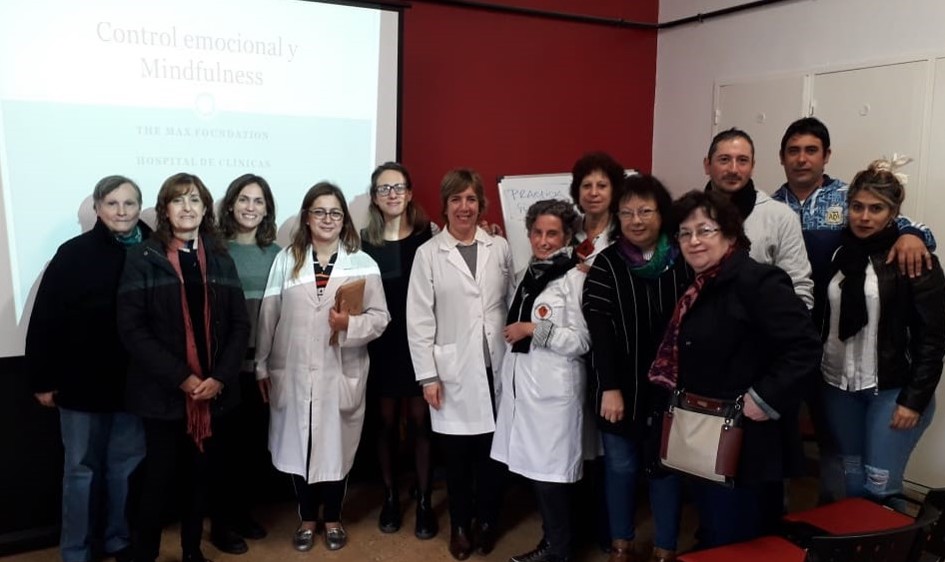
We recently hosted a virtual meeting offering patients a chance to be present and find serenity through mindful meditation practice. We had 70 people join our session from nice countries across Latin America: Argentina, Mexico, Guatemala, Nicaragua, Bolivia, Peru, Ecuador, Chile and Venezuela.
One of our partner health care providers from Roosevelt Hospital, Guatemala said patients were so relaxed they did not want to leave the room, they stayed in a group singing.
The benefits of paying attention to the body and mind
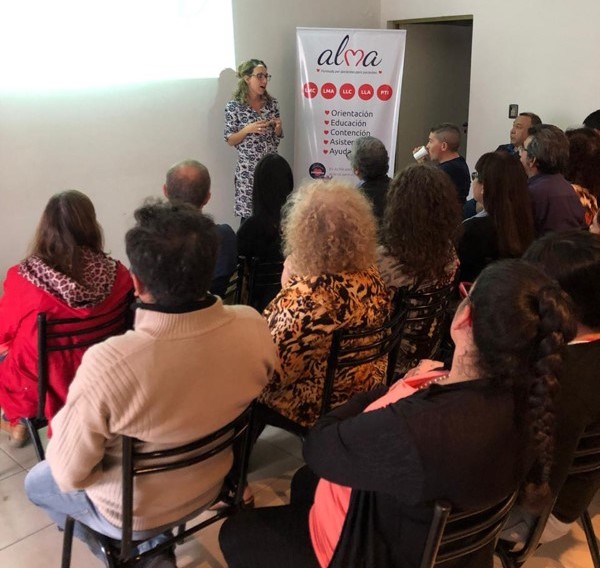
I have been working on mindfulness since 2012, coincidentally, the same year I joined The Max Foundation. After studying psychology, I did my training in neuropsychology. At the time, mindfulness was just becoming known in Argentina, and not many people were applying it as a tool to ease anxiety and stress.
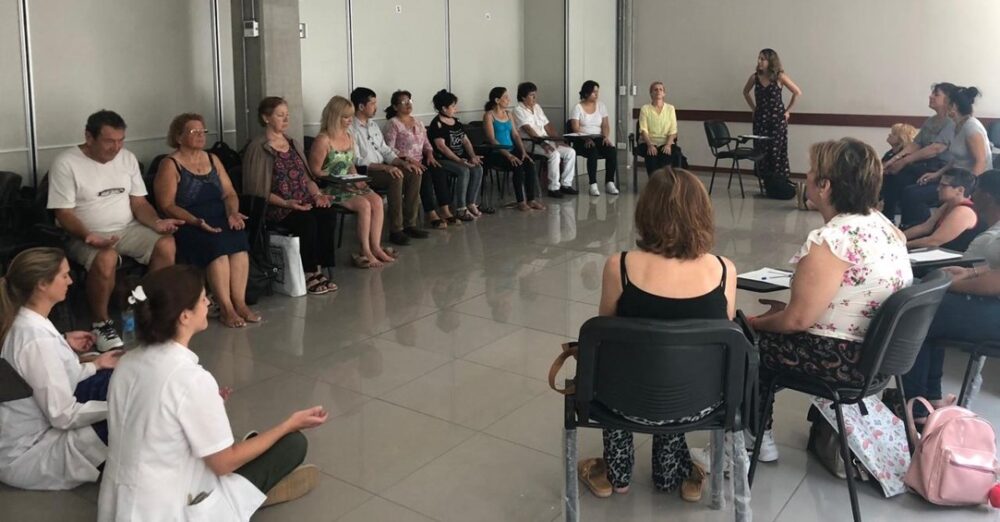
At first, I applied the mindfulness workshops in an outpatient day center within a nursing home with the elderly, most of them suffered from a neurodegenerative disease such as Alzheimer’s or Parkinson’s. I applied mindfulness techniques after the cognitive rehabilitation workshops. I noticed the workshops helped reduce anxiety for the patients who were returning home.
A typical mindfulness session includes:
Body-scan and relaxation exercises
Breathing and visualization techniques
Intent techniques
Closing exercise and group feedback
After attending a formal practical training in mindfulness, I was able to form my own personal path and experience with its practice. As I began practicing mindfulness in my day-to-day, I noticed an ease. I started to enjoy my bus commute, a good cup of tea in silence, listening to a song without doing anything else, and savoring a good meal. I became a tester of the little things in life—what in Japan they call Wabi-Sabi, the beauty of imperfection.
Finding peace and joy
At the end of the virtual mindfulness session, I was left with several emotions that the patients manifested. Each person experienced something very different from the other, as each encounter is unique because the practices are 100% improvised.
I am moved by the dedication and effort that some people made to close their eyes; I can see what thoughts they struggled with that day. After a few minutes taking deep breaths, I observed how the energy transitions toward calm.
Despite us being miles away from one another, the act of taking time to sit, reflect, and listen to our bodies and minds helped reduce stress—we felt transformed.
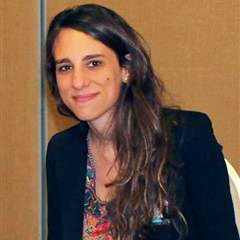
Vicky started working at the Mat Foundation in 2012, and since then she has been in close contact with local associations, patients, and physicians. Currently, Vicky is working as Local Program Coordinator for Argentina, Peru, and Ecuador. She is based in Buenos Aires and has a psychology background. In her free time, Vicky likes to take photos and cook.
Related Articles
Do Not Lose Heart, Be Positive and Prove Your Mettle
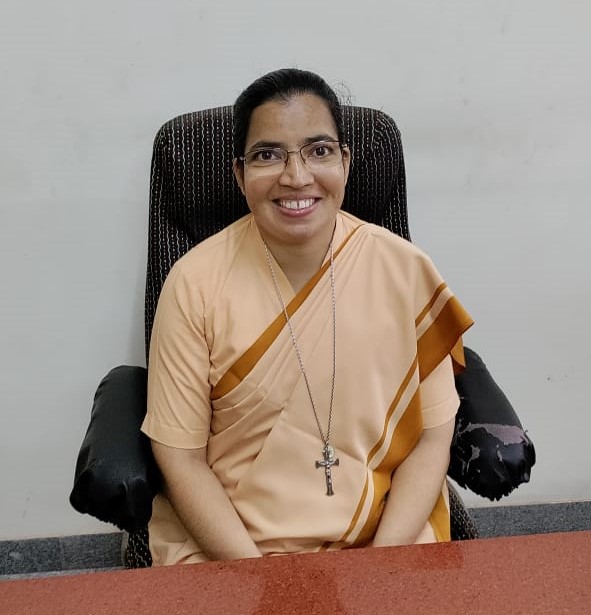
Shalet Souza is a 42-year-old nun at the Institute of Sisters of the Little Flower of Bethany, in Mangalore, India. She currently takes care of aspiring nuns and lives a life devoted to learning and supporting others, including the poor and needy in her region. At 29, Shalet sought treatment for frequent fevers, which would….
An important story in Cancerworld
Cancerworld recently published an article by Ann Wagstaff titled Begging for imatinib: why do so many patients still lack access to this lifesaver? It highlights the challenges people living with CML face in accessing imatinib, a life-extending medicine that has been generic for many years. Here is our perspective on the story. We have known….
On World Cancer Day 2020, we are reflecting on what progress means to us
For the 20th anniversary of World Cancer Day, we asked our global team members, physicians, patients, caregivers, and advocates to share what progress in cancer care means to them. Progress means all cancer patients get the treatment they deserve.[/e World Cancer Day, celebrated on February 4, is a global initiative that aims to raise awareness….
The Max Foundation uses cookies to improve your experience on our site. Please read our Privacy Policy for more information.