Meet the Max Team – Natia
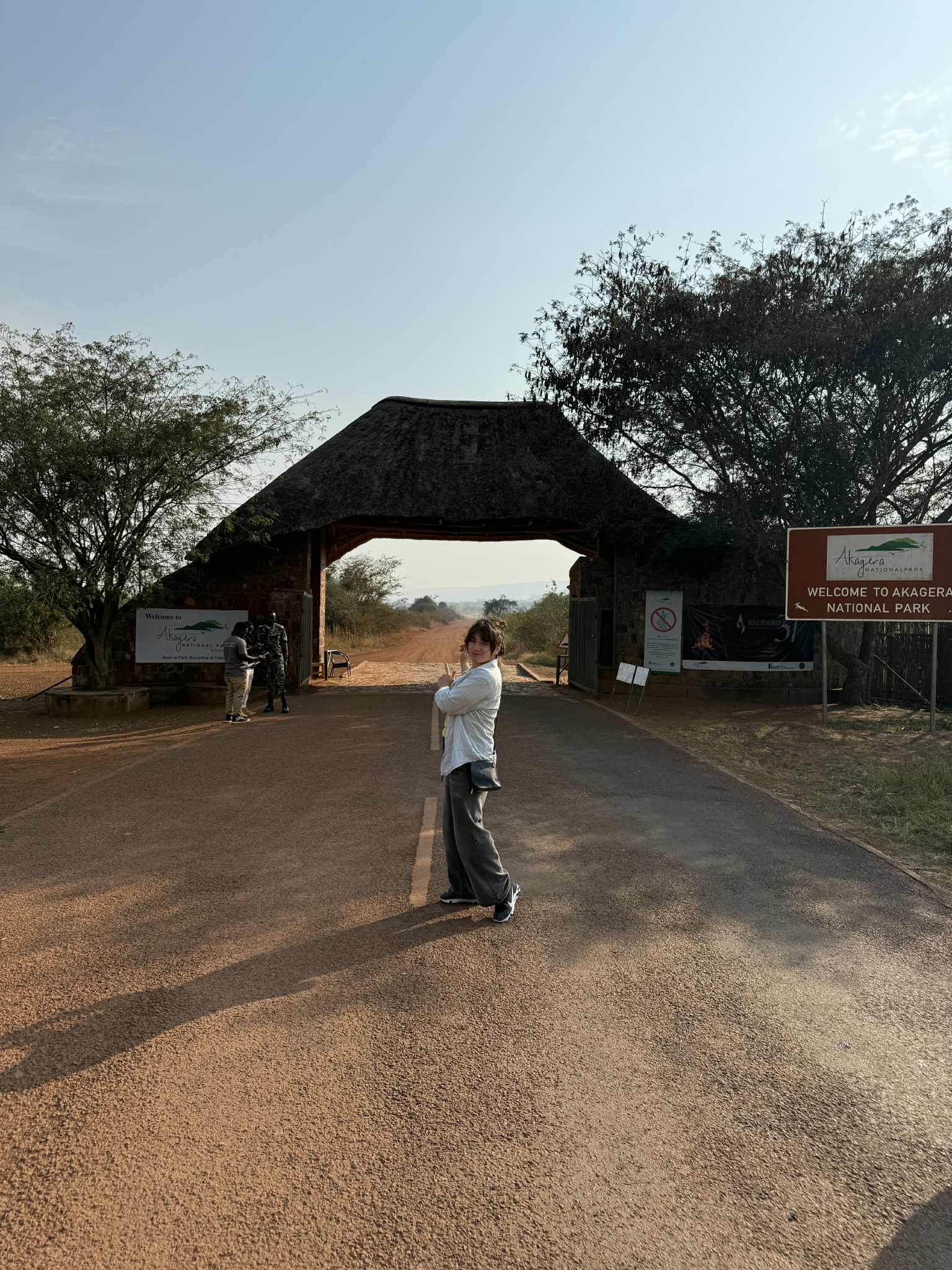
She’s been with The Max Foundation since 2025, working as a Program Coordinator in our Asia and Eastern Europe region. Learn more about why she started with the organization, what her work week looks like, and a special memory she had with a patient.
What drew you to join The Max Foundation, and why does our mission resonate with you?
I first heard about The Max Foundation a few years before I joined, after coming across it by chance online. I remember thinking what an incredible mission it had. Later, my colleague Mariam, who had already been working at The Max Foundation for several years, often spoke about her experience with so much enthusiasm that it made an even stronger impression on me.
At that time, I had already made one of the biggest career changes of my life. After nearly 19 years at Georgia’s National Center for Disease Control and Public Health, I had moved into the NGO sector while continuing my PhD. I was also excited by the opportunity to work in an international organization. It felt completely different from anything I had done before, and I saw it as a chance to learn, challenge myself, and work with people from different countries and cultures.
When I finally saw an opening at The Max Foundation, my first thought was, “This is my chance.”
I almost talked myself out of applying because of my English. In my application, I even wrote that it wasn’t strong. I didn’t want anyone to spend time interviewing me if that was going to be a problem. I still remember how nervous I was before my first interview, wondering how I was going to express myself in English. Instead, I found a team that was welcoming, supportive, and genuinely interested in getting to know me.
Looking back, I’m really glad I took that chance. Today, I get to work with patients every day, and that’s the part of my job that means the most to me.
What is a special memory you have with patients?
This turned out to be one of the hardest questions because I honestly couldn’t choose just one memory. What stays with me most are the conversations. I still remember my very first phone call to a patient. I was so nervous that I wrote down what I wanted to say and even practiced it out loud before dialing the number. I’d spent years talking to people in my previous jobs, but this felt completely different.
Since then, I’ve spoken with so many patients. Some have called just to say thank you. Some have wished me happy holidays. Others simply needed someone to listen for a few minutes. One patient even became a donor to The Max Foundation. I still think about that sometimes.
One thing that has surprised me most is how kind our patients are. Even when they’re going through something incredibly difficult, many of them still ask how you’re doing or thank you for making a phone call. Those are the moments I remember most.
Describe a typical work week
My workday usually begins before I even get out of bed. The first thing I do is check Outlook and Microsoft Teams because, with colleagues across different time zones, a lot can happen overnight. By the time I make my first cup of coffee, I think I know what kind of day I’m going to have. Most of the time, I’m wrong. That’s what I like about this job. Every day brings different patients, different questions, and different challenges. Some days go exactly as planned. Most don’t, and I’ve learned that’s perfectly normal.
If you could describe The Max Foundation in three words, what would they be?
People. Purpose. Hope… Because that’s what I see every day.
If you could instantly master any skill, what would it be?
Storytelling. Ever since I was a child, I’ve dreamed of writing a novel. Sometimes I think the story is already somewhere in my head. I just haven’t found the right words to tell it yet.
What languages do you speak?
Georgian, English, and Russian. My English has improved a lot since joining The Max Foundation. It turns out the best way to learn is to stop being afraid of making mistakes.
What do you love most about where you live?
The people, without a doubt. I think kindness comes naturally to many Georgians. It’s not unusual for someone you’ve just met to invite you in for coffee, insist that you stay for dinner, and make you feel like you’ve known each other for years. We’ve been through difficult times, but when someone needs help, people show up. That’s the Georgia I love.
When you’re not working, what do you like to do for fun?
Books take up a big part of my free time. I can spend hours in a bookstore without noticing how much time has passed. I think reading has made me even more curious about people. Sometimes I find myself wondering about the lives of complete strangers or imagining the stories behind them. Maybe that’s why I’ve dreamed of writing a novel for as long as I can remember.
Recently, I’ve also become slightly obsessed with plants. My balcony is getting greener every month, and I still somehow find space for one more flower.
What’s your favorite food?
Choosing one favorite food would be like choosing one favorite book. I simply can’t do it. I enjoy cooking trying new recipes, and discovering new flavors. So if I had to choose, it wouldn’t be one particular dish. It would be a table full of traditional Georgian food, surrounded by family, friends, good conversation, and lots of laughter.
If you could have dinner with someone famous, who would it be?
Khaled Hosseini.
The Kite Runner and A Thousand Splendid Suns are two of the books that have stayed with me the longest. I usually reread the books I love, but I’ve never been able to reread either of them because I know exactly how they’ll make me feel. Anyone who writes stories like that must have a fascinating way of understanding people, and I’d be curious to hear his perspective.
What is your favorite holiday and how do you celebrate it?
My excitement for New Year’s usually begins sometime around October. I know it’s a little early, but I can’t help it. I love the whole season, not just the holiday itself. The decorations, the cooking, the music, and having my family together at one table are what make it special for me.