Behind Patient Access: The Pharmacist Keeping Hope Moving in Nepal
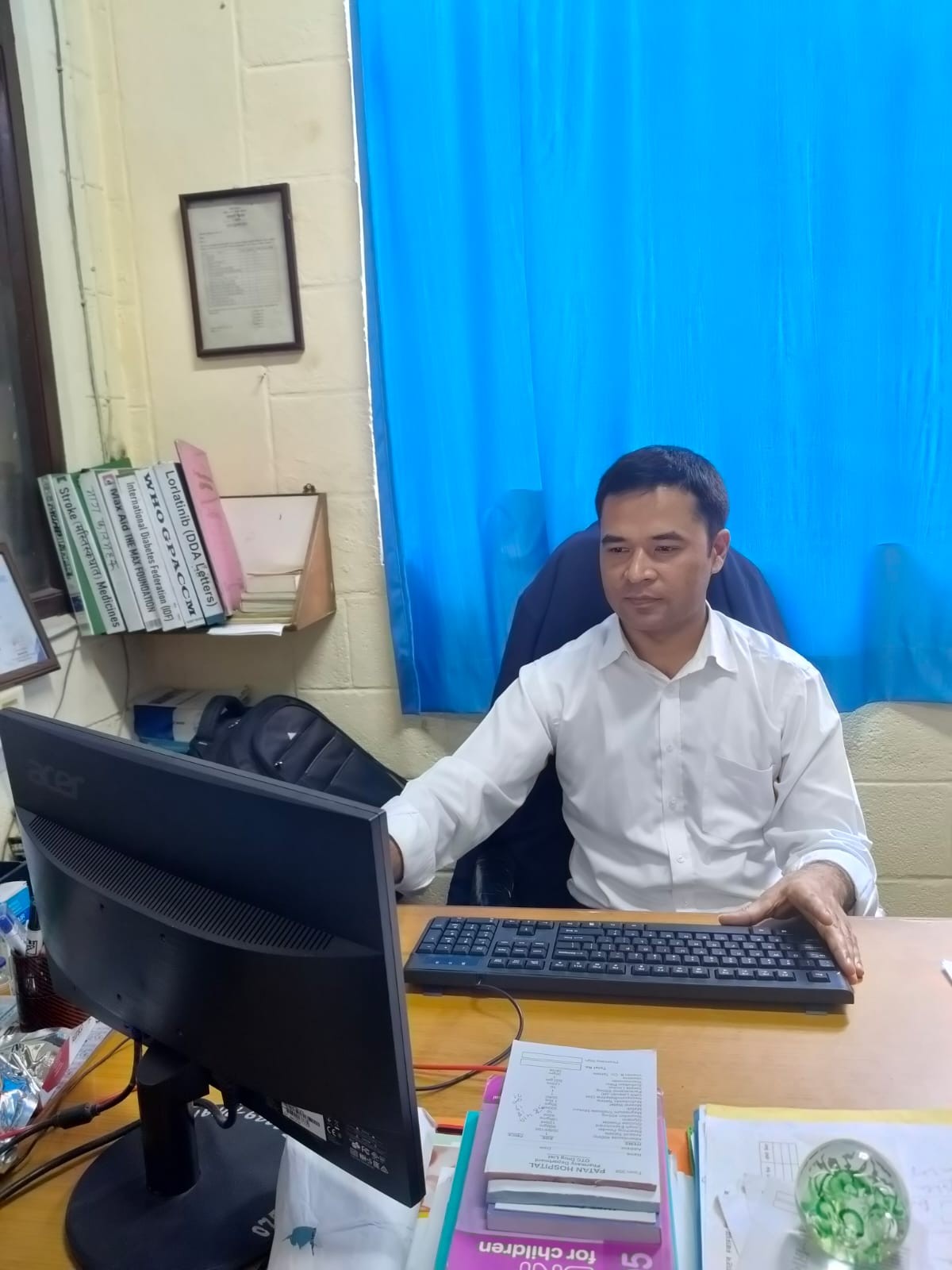
For more than 15 years, Surya Narayan Gainju has been one of the people working behind the scenes to help patients at Patan Hospital in Nepal receive the medicines they need.
As Chief Pharmacist at the hospital, Surya supports The Max Foundation across a wide range of responsibilities, from import permits and customs clearance to inventory management, medicine storage, documentation, and coordination with government authorities and hospital teams.
Nearly 1,500 patients at Patan Hospital receive treatment through Max Access Solutions each month. For those patients, receiving their medicine may be one part of a hospital visit. Behind that moment, however, is a long chain of work that has to happen consistently and accurately.
Our visit to Patan Hospital earlier this year offered a closer look at just how central Surya’s role is to the program. His work extends well beyond managing medicines, connecting hospital teams, regulatory processes, inventory, and the daily coordination needed to keep patient access running smoothly.
Surya works closely with physicians, hospital staff, government authorities, and The Max Foundation to support Max Access Solutions in Nepal. His responsibilities include securing import permits through the Ministry of Health, coordinating customs and regulatory processes, overseeing medicine receipt and storage, managing inventory, and maintaining patient and dispensing records.
Each of these steps matters. Delays in documentation, import processes, or medicine supply can ultimately affect patients who depend on continuous treatment.
Over the years, the program in Nepal has also grown. Today, we provide access to 14 innovative therapies for people living with cancer and rare diseases, adding further complexity to the work required to manage medicines responsibly and keep the program running. For Surya, much of that work happens away from public view.
Our local Max program coordinator, Sweta Agrawal, describes him as calm, clear about his responsibilities, and always ready to help. Once something is discussed with him, she says, the team rarely needs to follow up twice. He takes it forward and makes sure it gets done.
Working with the program for so many years has also given Surya a firsthand view of what sustained access to treatment can mean for patients and their families. He has seen people regain their health, return to work, support their families, and continue with their lives. Some patients who joined the program years ago remain on treatment today.
These outcomes depend on many people working together, from physicians and program teams to health authorities, supply chain partners, and hospital staff.
Pharmacists are a critical part of that network. Their role may not always be the most visible, but in programs like ours, their expertise helps medicines move through complex regulatory and hospital systems and, ultimately, reach the patients who need them.
On World Pharmacists Day, we recognize Surya and pharmacists around the world whose work extends far beyond dispensing medicine. For patients, much of that work may remain unseen. Its impact does not.