Am I Doing Enough?
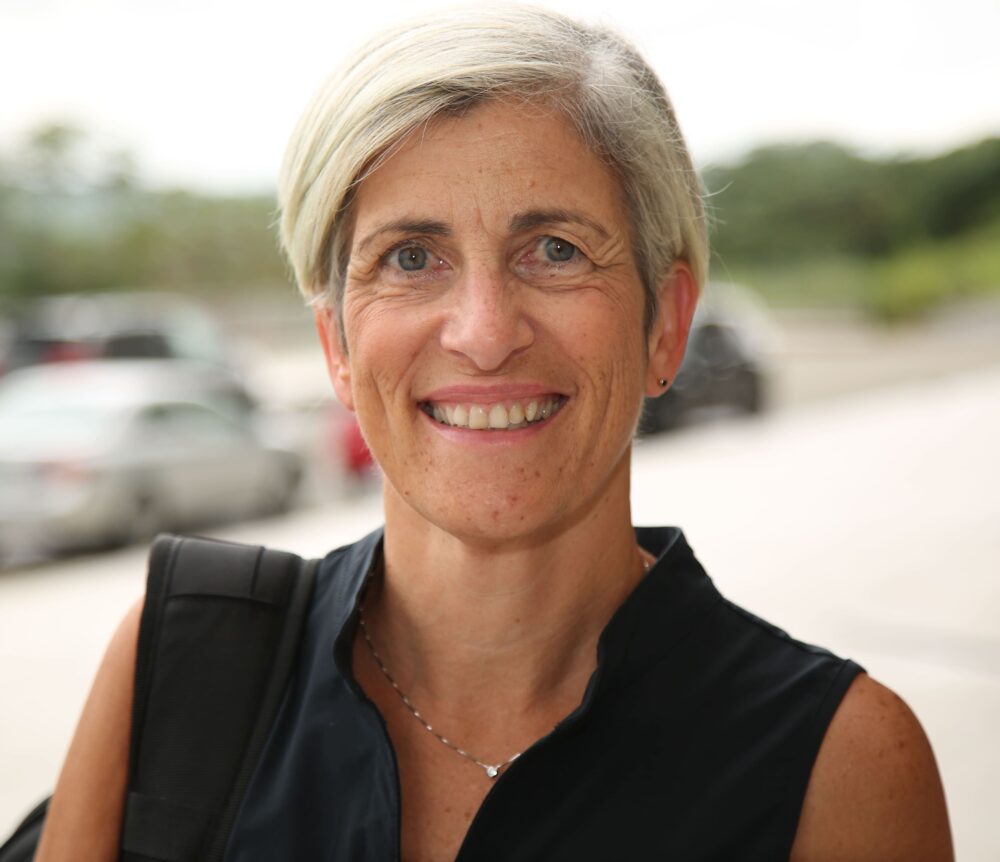
By Pat Garcia-Gonzalez
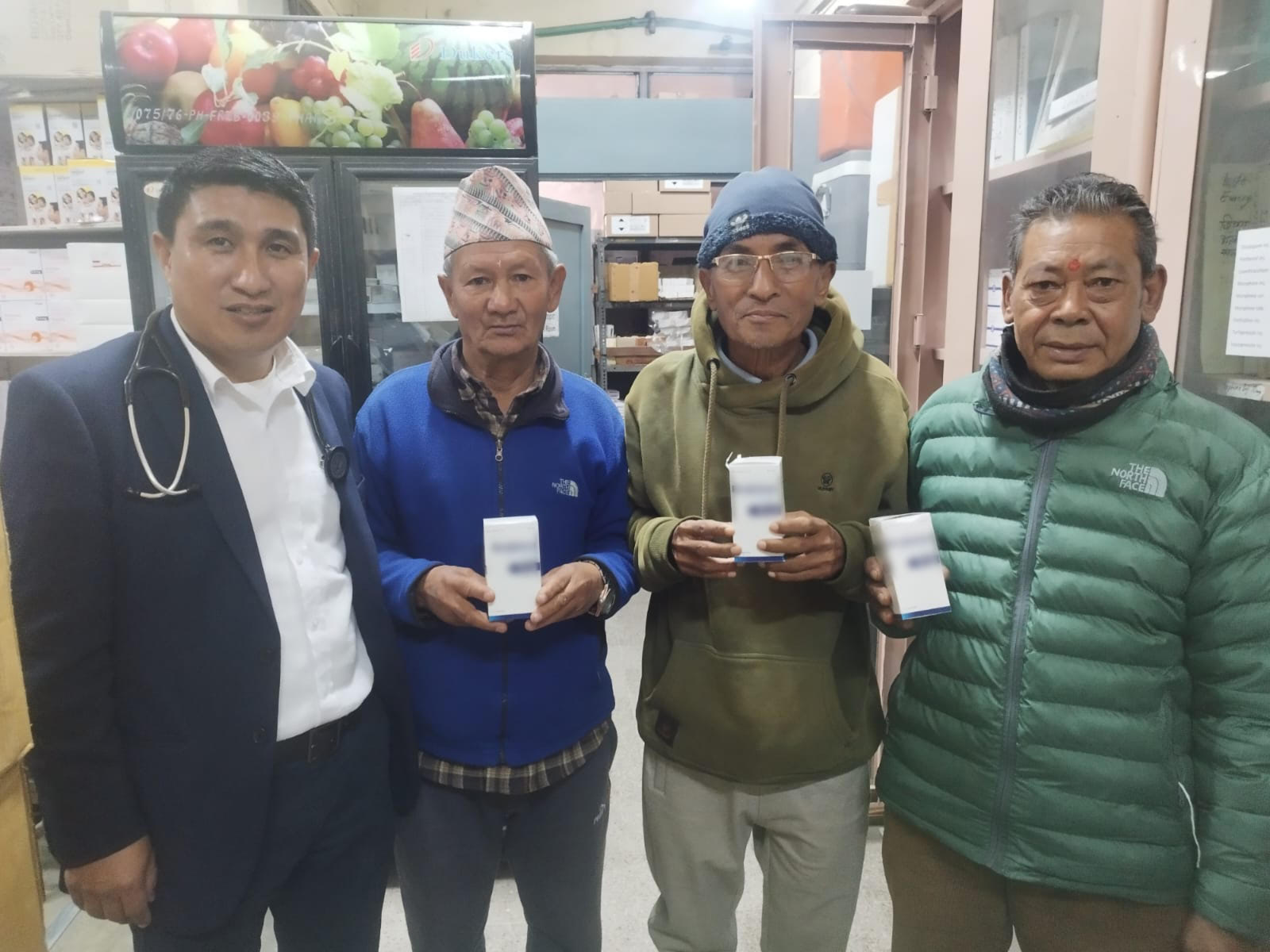
Birthdays are a time to take stock on our life. This birthday, I feel unsettled, questioning if I am doing everything I can. A few weeks ago, I sat in a small consult room. A gentleman walked wearing gray slacks, a white buttoned shirt, and suit coat, he must have been in his 50’s. The doctor asked him a few questions and translated the answers for me. The man shared that he was the father of five children, he worked as a driver; earned $30 a month. He shared with the doctor that a few days before his medical appointment, he always starts feeling very anxious. I assumed this was related to finding out the status of his cancer, but he explained: “you see, doctor, when I come here to see you, I am taking bread out of my children’s mouth.” He went on to say with a matter-of-fact tone, that this was going to be the last time he came to the hospital for his cancer treatment.
Maybe it is this experience that stuck in my mind, or perhaps it is the proximity of my birthday that reminds me that my time to make a difference is finite. As I have matured in my role as CEO of The Max Foundation, I have come to understand that progress is gained through incremental steps, and I have come to accept small gains. I have great gratitude for the opportunity to help, and for those who make it possible. I am also grateful for having a voice in the current global oncology efforts to galvanize all stakeholders and strengthen the health systems in a systematic way. This is the long game, the results of which we will see in a too-far future for those who need help now.
The long game is important, but I worry that we might be veering off track and forgetting our responsibility to those who have cancer now and can’t wait. Helping those who need treatment now or building the future is not a binary choice. We can do both. Moreover, I know from experience that helping those who need help today is the fastest way to build the health system of the future. And it is the right thing to do. Today within just a six-month period, The Max Foundation and its 1,034 partners can have all systems in place to deliver an innovative cancer medicine at a national cancer hospital in a LMIC for the first time and start reaching patients in urgent need. The availability of medicine then acts as an accelerator of capacity building and health system strengthening efforts, creating urgency for the oncologists and their teams be ready to treat their patients. This accomplishes both the long-term systems strengthening and helps our fellow brothers and sisters today; a win-win.
Personally, it is clear in my mind that I need to do better to explain the need, the why, and the how. As my birthday approaches, I hope the unsettled feeling will give rise to renewed clarity to be a voice for the voiceless.
The opportunity is right in front of us, and progress starts whenever we decide. As I donate this birthday to support families who need our help, each $66 gift will directly support a cancer patient and their family. And if each of us get ten of our friends to contribute, we can help more than 1,000 of our fellow human beings have dignity and hope in their cancer journey right now. That would be huge.
Let me ask you, if not now when, if not we, who?
Click here to support