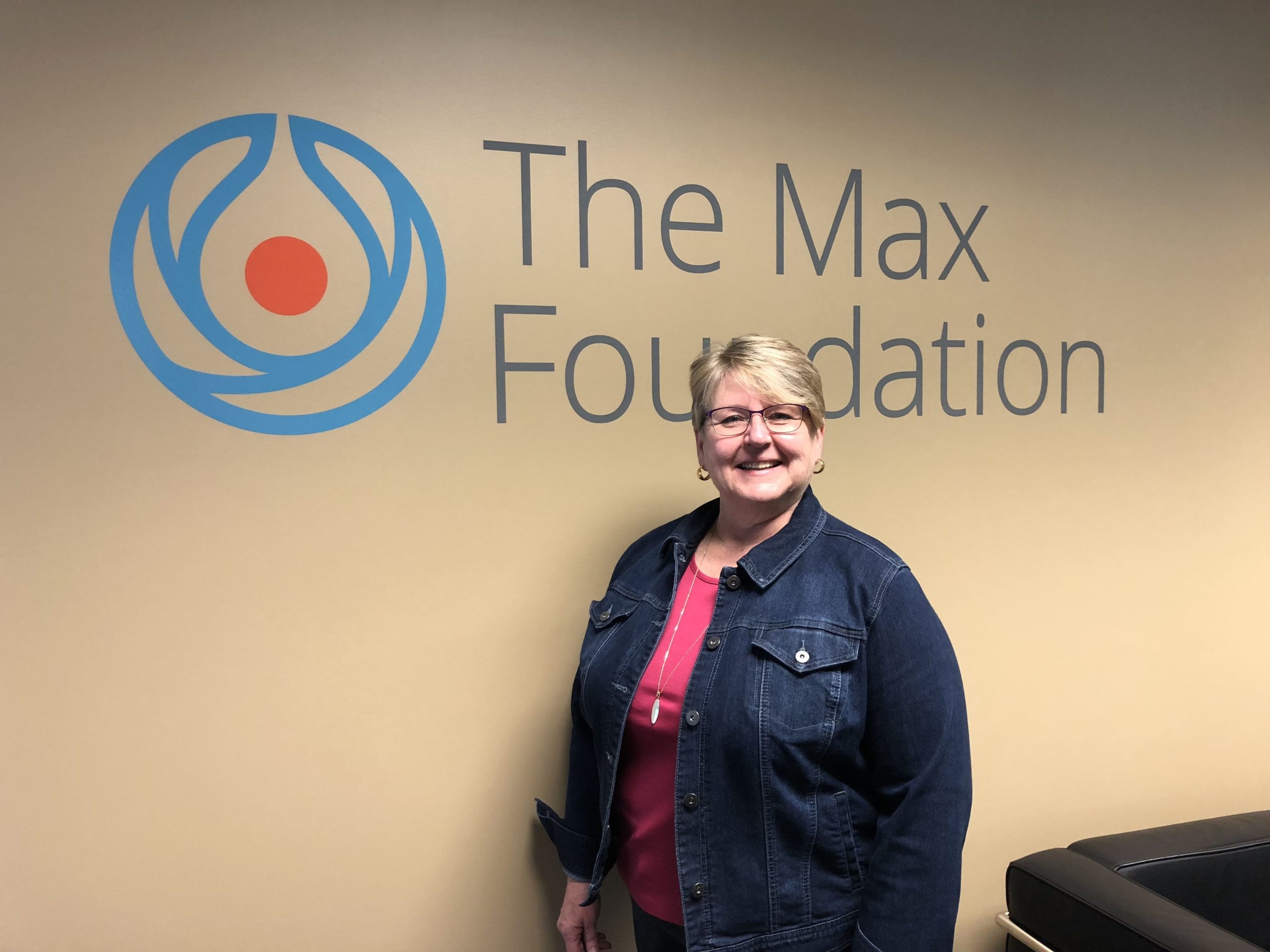
Innovator Jerry Radich of Fred Hutch joins The Max Foundation’s Executive Board

Innovator Jerry Radich of Fred Hutch joins The Max Foundation’s Executive Board

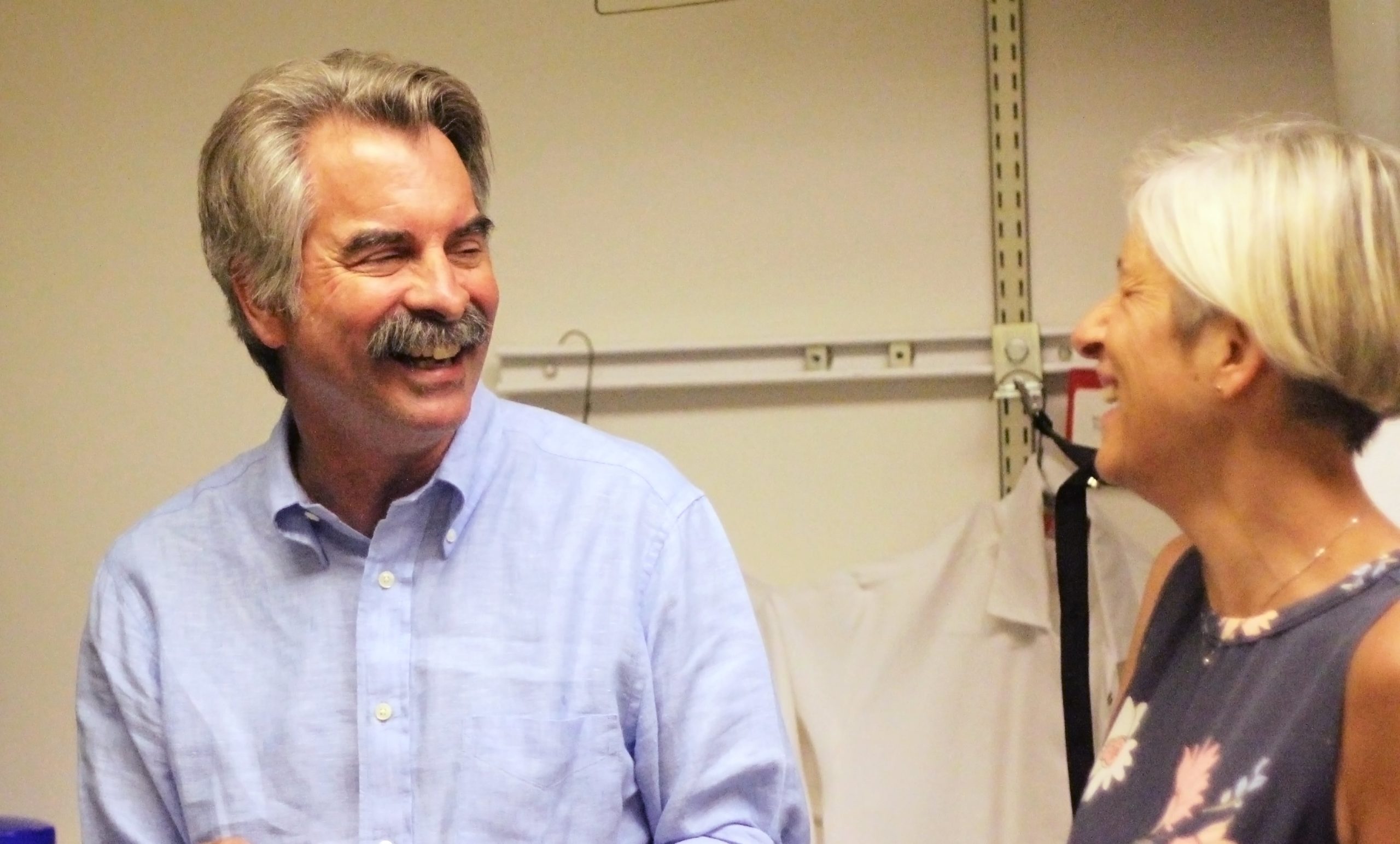
The Max Foundation is thrilled to welcome longtime advisor, Dr. Jerald Radich of the Fred Hutchinson Cancer Research Institute into the Executive Board.  Dr. Radich has been a guiding star in our innovative work for many years helping people face cancer with dignity and hope, especially in the area of improving access to critical diagnostics in low- and middle-income countries.

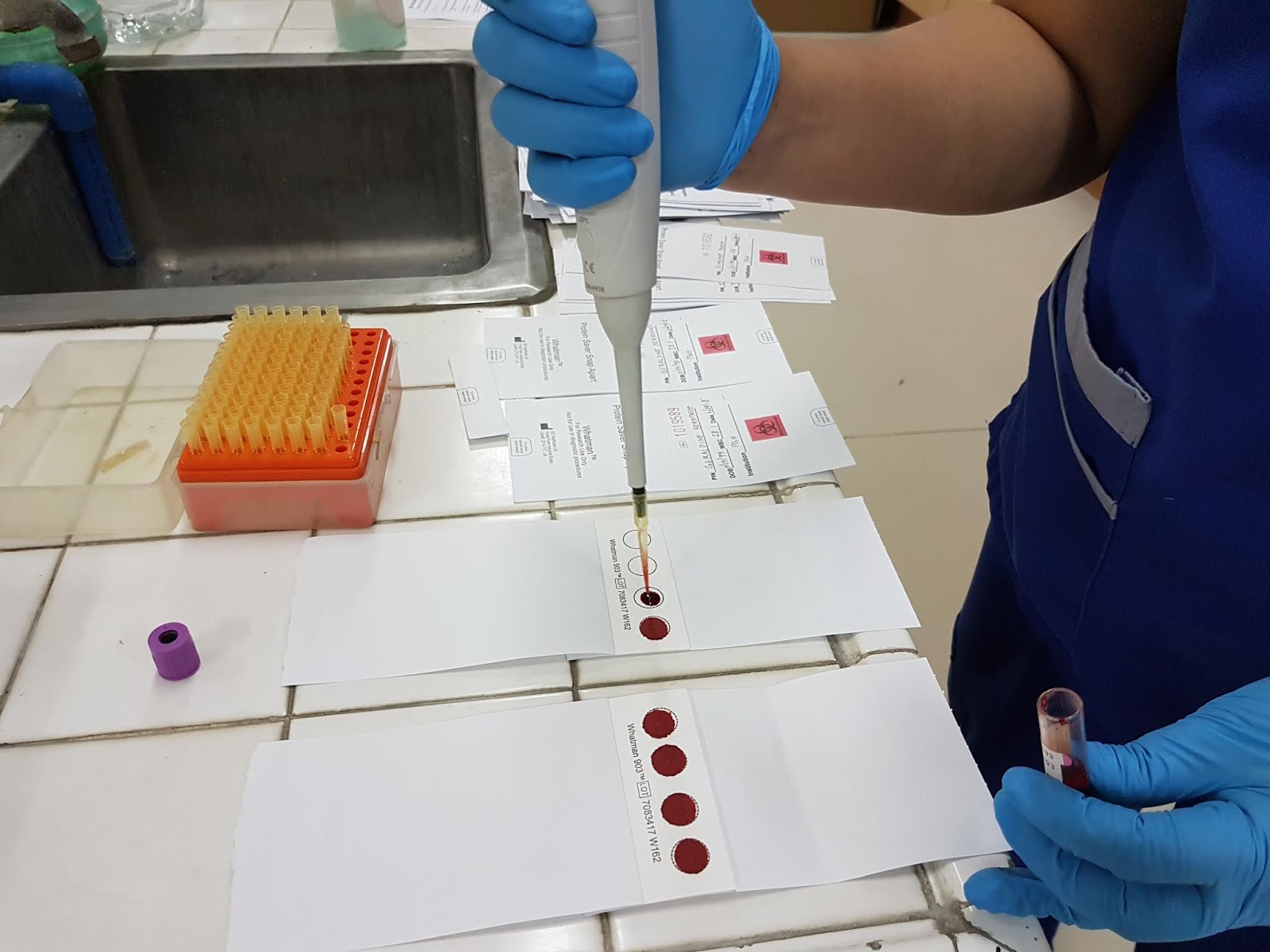
Last year, The Max Foundation created a formal partnership with Fred Hutch and the Radich Lab called Spot On CML in order to increase testing for chronic myeloid leukemia (CML) patients.  The Spot On CML partnership aims to test 365 patients in a year and has already helped patients in Mongolia, Nepal, Tajikistan, Timor Leste, and beyond.

Dr. Radich has an accomplished background.  He is a medical oncologist who specializes in the molecular genetics of leukemia. A world-recognized expert in chronic myeloid leukemia (CML), he serves on the CML Guidelines Panels for the National Comprehensive Cancer Network and European LeukemiaNet, which synthesize the best available evidence, including findings from state-of-the-art molecular monitoring, to support optimal decision-making in the medical management of CML patients.  For many years, Dr. Radich has been involved with The Max Foundation and the International CML Foundation (iCMLf), performing diagnostic and monitoring tests for CML patients in developing countries.

The Radich laboratory was one of the first to document that monitoring levels of the abnormal, CML-promoting “BCR-ABL” fusion protein can be used to detect “minimal residual disease” and predict relapse before CML cells can be detected by previously standard tests. Dr. Radich’s Lab was recognized in a New York Times article for their breakthrough work that continues to benefit patients today.

We are grateful for Dr. Radich’s ongoing support and thank him, in advance, for his continued guidance on behalf of people facing cancer worldwide.

The Max Foundation is a leading global health nonprofit organization dedicated to accelerating health equity. For 28 years, Max has pioneered practical, scalable, high-quality solutions to bring life-extending treatments and patient-centered health care to more than 100,000 people living with cancer and critical illness in low- and middle-income countries. Max believes in a world where all people can access high-impact medicines, where geography is not destiny, and where everyone can strive for health with dignity and with hope.

Related Articles

  • Closing cancer care gaps in LMICs requires patient-centered systems

    Closing cancer care gaps in LMICs requires patient-centered systems

    On the sidelines of UNGA80, global health leaders explored ways to expand access to care and build resilient health systems, and the critical role partnerships play in ensuring sustainable impact. Read More    

  • NCI’s Global Cancer Medicine Humanitarian Award awarded to Pat Garcia-Gonzalez

    Boston, Massachusetts; USA The Max Foundation is proud to announce CEO, Pat Garcia-Gonzalez as the recipient of the National Cancer Institute Global Cancer Medicine Humanitarian Award at the U.S. National Cancer Institute 3rd Annual Symposium on Global Cancer Research held in Boston on 25 March 2015. In the award letter from the National Cancer Institute (NCI), Dr…..

  • The Max Foundation Establishes Unprecedented Network of Leading Cancer Providers in LMIC

    The Max Foundation Establishes Unprecedented Network of Leading Cancer Providers in LMIC

    In an effort to strengthen health outcomes for patients in low resource settings, The Max Foundation and its subsidiary, MaxAid, have signed Collaboration Agreements with 140 individual hematologists and oncologists from leading National Cancer Institutes and clinics in 60 low and middle income countries. With the formal establishment of this network, The Max Foundation completes its validated supply chain into each of the countries, providing a safe environment through which to channel humanitarian donations of cancer treatment with end-to-end controls.