Spot On CML: Improving CML Diagnostics One Patient at a Time
The Max Foundation (Max) and Dr. Jerry Radich of the Fred Hutchinson Cancer Research Center (Fred Hutch) are partnering to help tackle the problem of access to accurate tests for chronic myeloid leukemia (CML) diagnostics in low- and middle-income countries (LMICs) through a program called Spot On CML, which is being launched publicly in time for World CML Day on September 22nd.
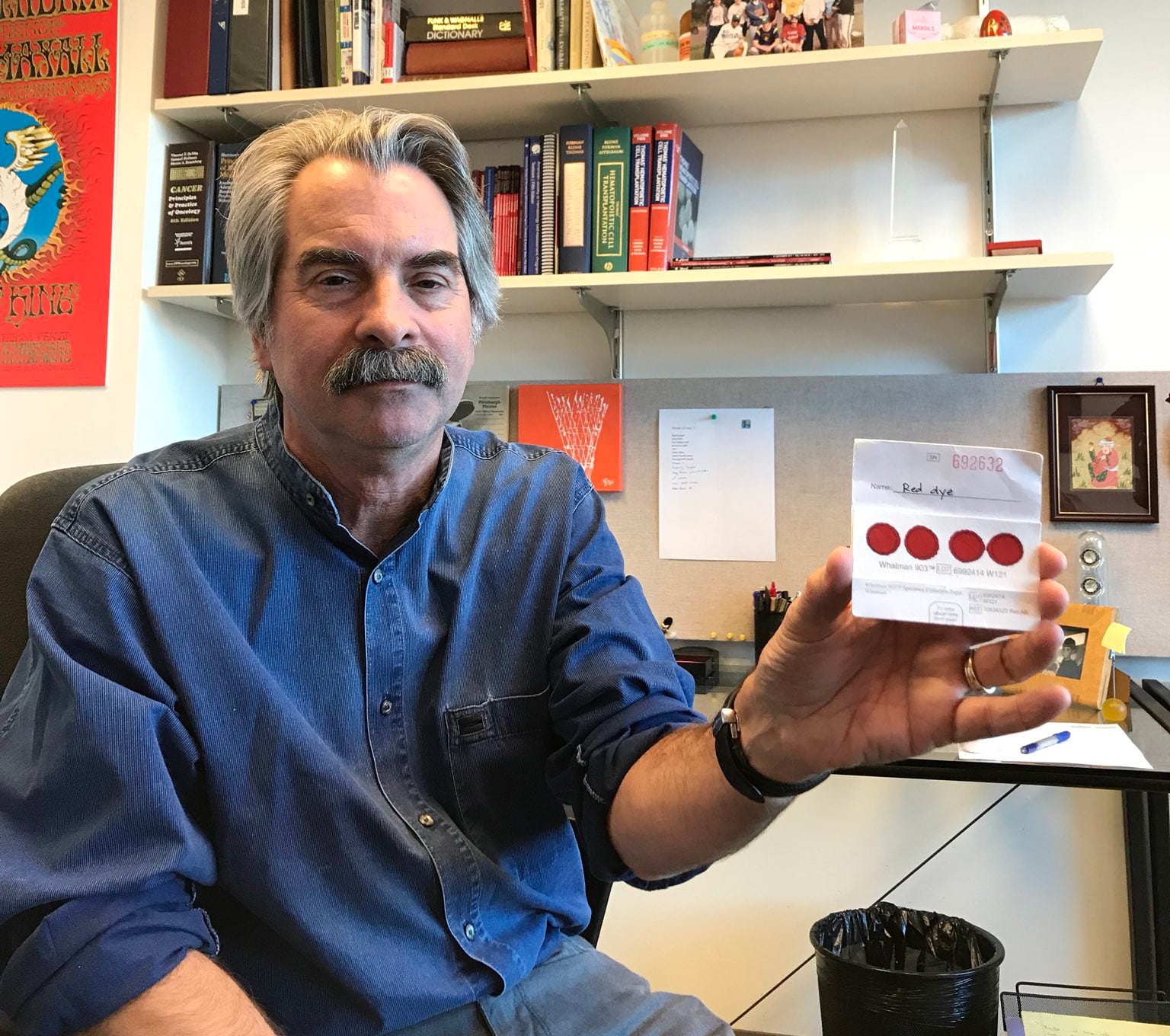
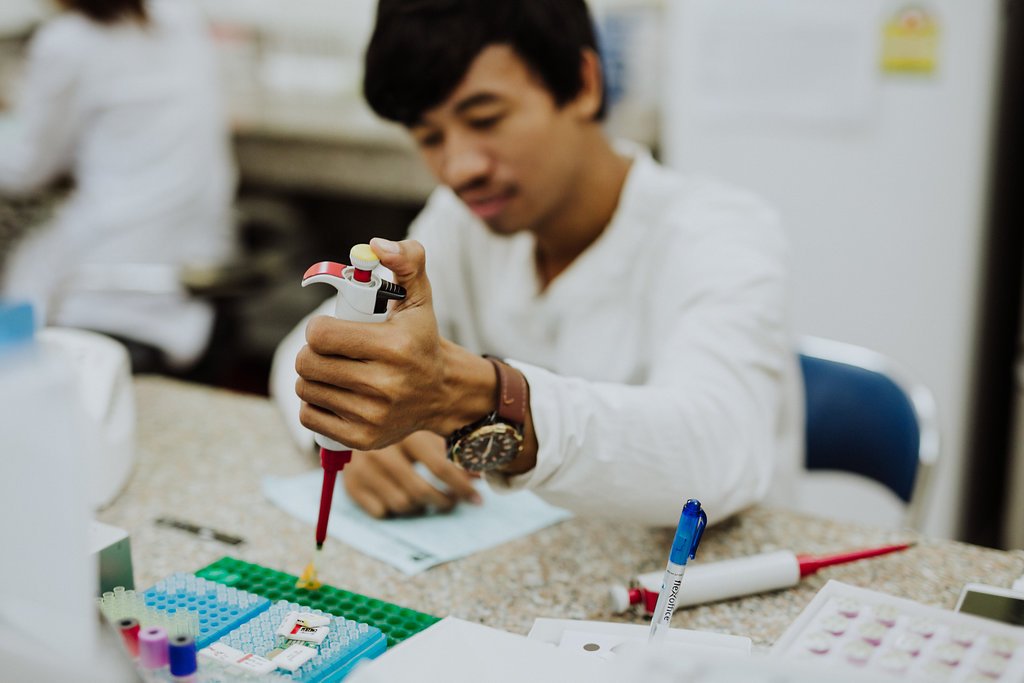
Dr. Radich has developed a low-cost, paper-based diagnostic testing method for CML. Previously, vials of blood were sent to labs in Europe and the U.S. for testing, which was both costly and unreliable – vials were often damaged in transit. With this new method, a physician spots a patient’s blood onto a test card and sends the card to Dr. Radich’s lab at the Fred Hutch for processing. He and his team are able to perform accurate diagnostic testing on the samples even after weeks of transport. Once patients are diagnosed, The Max Foundation connects them with available treatments free of charge. The free treatment is made possible thanks to The Max Foundation’s partnerships with pharmaceutical companies to provide cancer drugs to patients in need in specified LMICs.
Framing the Unmet Need
Access to accurate diagnostics is a major challenge for many cancer patients in low- and middle-income countries (LMICs). This is especially true for chronic myeloid leukemia (CML) patients. GeneXperts, the machines used to diagnose CML, run $10,000-$70,000 USD even with the preferential pricing offered through The Max Foundation’s collaboration agreement with Cepheid, the manufacturer of the GeneXpert, and the cartridges used for each test cost around $50 USD. At these prices, many health facilities in LMICs cannot afford to provide CML diagnostic testing for their patients. And, without a definitive diagnosis, CML patients are unable to access lifesaving drug therapies.
Tajikistan Case Study
The Max Foundation Senior Program Manager, Erin Lindsay Schneider, saw this situation firsthand when she visited the National Medical Center in Dushanbe, Tajikistan in March this year. In speaking with the doctors there, she learned that there were many patients clinically presenting with symptoms of CML, but diagnostic testing for CML patients is not available in the country. To obtain an official diagnosis, patients must pay to have their blood hand-delivered to Moscow for testing. This option, however, is out-of-reach for most in a country where 31% of the population lives below the poverty line. Partner physician, Dr. Mirzovali Rahimov, estimates that as many as 200 CML patients in Tajikistan lack access to diagnostic testing and, as a result, go without appropriate treatment. This situation is not unique to Tajikistan; CML testing capability is limited in resource-poor settings throughout the world.
During my visit to the National Medical Center in Tajikistan, I personally met several individuals who were very ill with clinical symptoms of CML, but were unable to receive effective treatment due to lack of access to diagnostics. The fact that these patients are now receiving lifesaving therapy as a result of an official CML diagnosis provides a renewed sense of hope and opportunity to them and their loved ones. An accurate CML diagnosis is life changing.”
—Erin Lindsay Schneider, Senior Program Manager at The Max Foundation
When Erin Lindsay learned that patients in Tajikistan lacked access to diagnostic testing locally, she informed Dr. Mirzovali about the diagnostic program, dubbed the Spot On CML Program. Spot On CML prioritizes physicians and patients who otherwise lack access to CML diagnostics, making Tajikistan an ideal candidate. Over the following weeks, he and Erin Lindsay coordinated shipment of the testing supplies, and Dr. Mirzovali gathered patients to draw blood samples. By July, the first results came in: 14 Tajikistan patients tested positive for Philadelphia chromosome-positive CML and were immediately approved for drug therapy.
Future of Spot On CML
Testing is now underway for more patients in Tajikistan, as well as Burkina Faso, Cote d’Ivoire, Niger, and Mongolia. The Max Foundation and Dr. Radich aim to test at least 365 patients – one for every day in the year – and connect them with treatment over the next 12 months. The Spot On CML program is making great strides toward overcoming barriers to diagnostics and better health for CML patients in low- and middle-income countries!
[q_button type=’normal_button’ size=” text=’Go to The Max Foundation Spot On CML Project Page’ icon_pack=’font_awesome’ fa_icon=” fe_icon=” icon_color=” link=’/spot-on-cml’ target=’_self’ color=’#ffffff’ hover_color=’#ffffff’ background_color=’#D2592E’ hover_background_color=’#D2592E’ border_color=’#D2592E’ hover_border_color=’undefined’ font_style=” font_weight=” text_align=” margin=’20 0 20 0′]
[q_button type=’normal_button’ size=” text=’Visit the Fred Hutch Spot On CML Project Page’ icon_pack=’font_awesome’ fa_icon=” fe_icon=” icon_color=” link=’http://www.fredhutch.org/SpotOnCML’ target=’_self’ color=’#ffffff’ hover_color=’#ffffff’ background_color=’#D2592E’ hover_background_color=’#D2592E’ border_color=’#D2592E’ hover_border_color=’undefined’ font_style=” font_weight=” text_align=” margin=”]