Welcoming Dr. Michael J. Wagner, MD, to The Max Foundation’s Medical Advisory Board
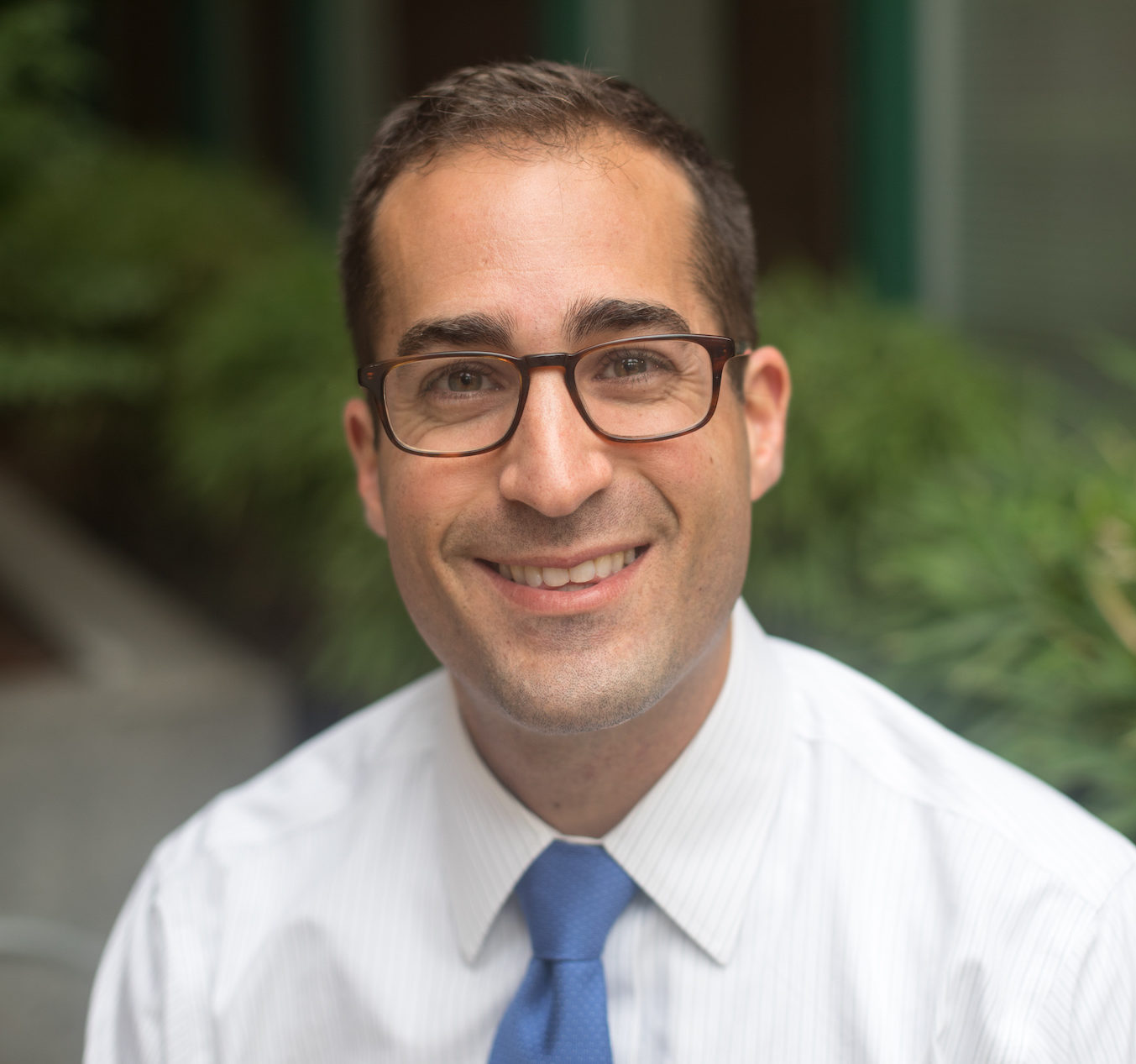
The Max Foundation is thrilled to welcome Dr. Michael J. Wagner to our Gastrointestinal Stromal Tumor (GIST) Medical Advisory Board. Since we met Dr. Wagner in early 2020 at a GIST patient meeting in Seattle, he has provided our program with invaluable training and support.
“Dr. Wagner has gone above and beyond in advising our team on complex patient cases,” says Meg Mager, Senior Program Manager at The Max Foundation. “He’s helped us to better understand GIST so we can better support our patients. We are incredibly grateful for his support and are excited to have him join our Medical Advisory Board.”
Dr. Wagner is a medical oncologist at the Seattle Cancer Care Alliance, Assistant Member of the Fred Hutchinson Cancer Research Center, as well as an Assistant Professor at the University of Washington School of Medicine. After receiving a medical degree from Harvard University, he completed his residency at Mt. Sinai Hospital in New York, and a medical oncology fellowship at the University of Texas MD Anderson Cancer Center.
His research is dedicated to improving outcomes for patients with bone and soft tissue sarcomas which has led to early drug development and clinical trials. He’s received multiple awards for his work studying sarcomas, including the Conquer Cancer Foundation of ASCO Young Investigator Award and QuadW Foundation-AACR Fellowship for Clinical/Translational Research.
“As a sarcoma oncologist, I want to do what I can to get effective treatments for GIST available to all patients who would benefit,” said Dr. Wagner. “The Max Foundation does great work expanding access to critical cancer drugs and I am very excited to help those efforts.”
Increasing GIST Awareness
Our GIST program provides access to treatment and care to more than 2,000 patients in low- and middle-income countries worldwide. On July 13, we will be joining our patients and communities worldwide to commemorate GIST Awareness Day, a global initiative led by The Life Raft Group to bring awareness of, and education and advocacy for GIST to the general public.
In light of GIST Awareness Day, we’re including a Q&A with Dr. Wagner below to demystify GIST, learn more about his work, and help us spread further awareness to our patient and donor communities. Here are some of Dr. Wagner’s insights on GIST:
The Max Foundation: Can you tell us more about your background and what drew you to working with gastrointestinal stromal tumors, known as GIST, and the GIST patient advocate community?
Dr. Wagner: I was first exposed to GIST as a medical student working with Dr. George Demetri, and I continued doing research on sarcoma throughout my medical training. Getting a sarcoma diagnosis can be overwhelming. Access to high quality information is important for any cancer, but especially for rare cancers like GIST. The GIST patient advocacy community is incredibly important for educating patients about their disease and empowering patients to advocate for themselves and ensure they are getting appropriate treatment.
The Max Foundation: What would you say to a patient who was recently diagnosed? What do they need to know about this complicated disease?
Dr. Wagner: We have learned a great deal about the biology of GIST over the past ~20 years. As a result, there are therapies that have dramatically improved outcomes for GIST patients. As new drugs become available, knowing your KIT/PDGFRA mutation status is becoming more important. Consulting with a sarcoma specialist experienced in managing GIST early in your treatment course is highly recommended when possible because it is a relatively rare tumor that is treated very differently from most other types of cancer.
The Max Foundation: Are there any risk factors for GIST patients or treatment side-effects?
Dr. Wagner: There are some genetic syndromes that increase the risk of GIST, but the vast majority of cases arise in patients without any known major risk factors. Treatments for GIST can certainly have side effects, but the risks vary and not everyone experiences the same side effects. GIST patients should discuss potential side effects and management of those side effects with their treating physician.
The Max Foundation: We know that eating the right foods and a healthy diet are important for people living with GIST. What else can you tell us about this?
Dr. Wagner: This is true for anyone- with or without GIST. It is especially true for GIST patients because some patients with stomach or bowel resections can have nutritional deficiencies as a result of the surgery. It is important to be aware of what vitamins and nutrients might be affected by a surgery and to monitor for deficiencies.
The Max Foundation: Are there any unique challenges that GIST patients
in low and middle-income countries face?
Dr. Wagner: Because it is a rare cancer, GIST is generally best managed by sarcoma specialists who may not be readily available in low- and middle-income countries. The treatments also may be difficult to obtain and are expensive. In addition, mutation testing, which is becoming so critical to GIST treatment, is generally unavailable or cost prohibitive to patients in LMICs.
Learn more about GIST: