From Depot to Delivered: Expanding Access Through our Supply Chain

From Depot to Delivered: Expanding Access Through our Supply Chain

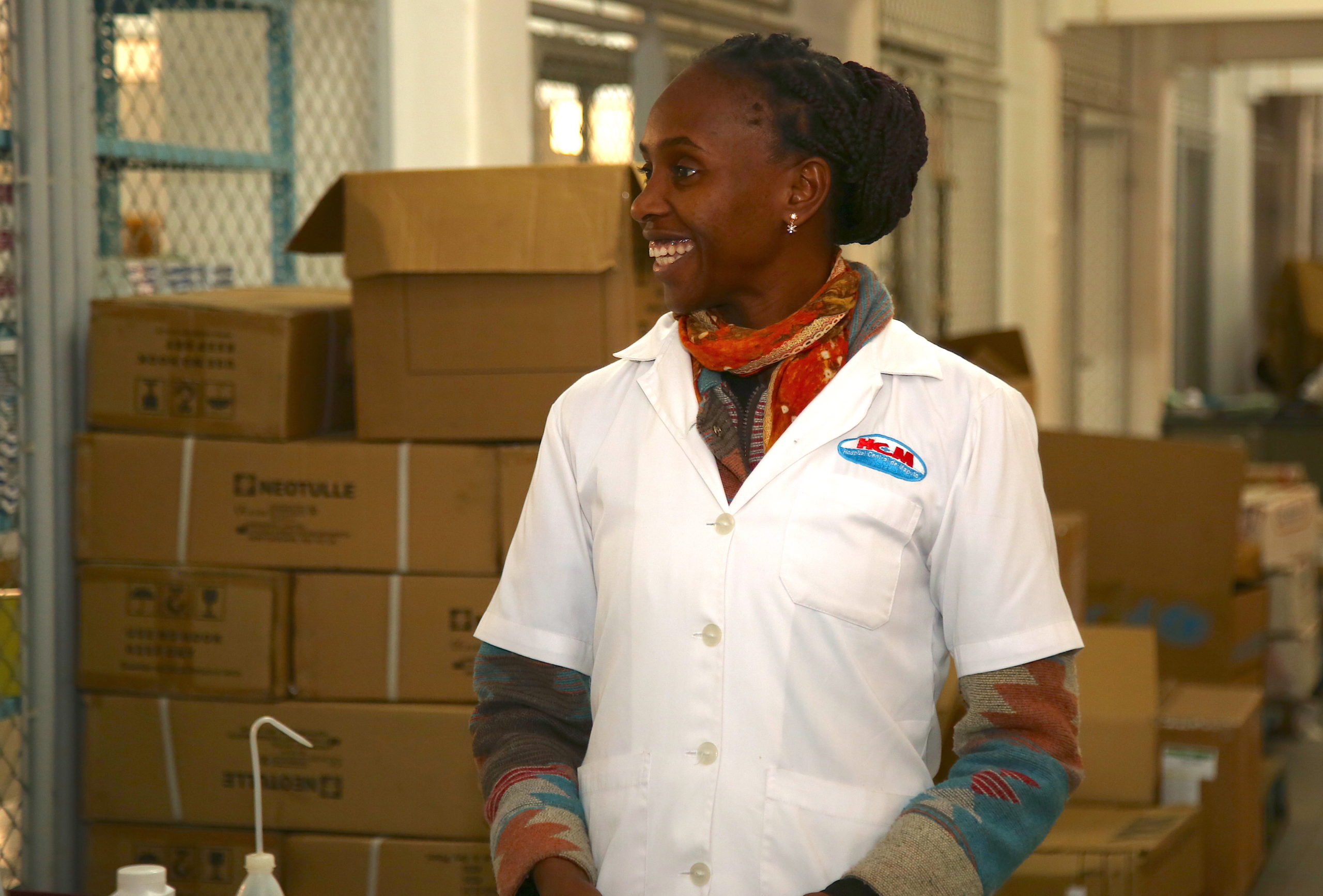
When a doctor requests treatment for a patient in an out-of-reach country, my job is to ensure medicine gets to that patient. Multiply this by 30,000 patients across 70+ countries, and our supply chain becomes a complex system of forecasting demand, requesting donations, shipping medicines, tracking product and confirming deliveries at each destination.

I recently spoke at the ReConnect 2021 conference, along with my colleague Michael Wrigglesworth, Senior Director of Program Strategy and Data Solutions, about how The Max Foundation connects supply chain and technology. It was an opportunity to share how our unique patient-centric model is supported by our supply chain activities that increase global access to treatment.


The two-day event featured speakers from diverse organizations, including other NGOs, such as VillageReach discussing drone delivery of medicines, and industry, such as logistics provider Expeditors International. Our presentation was entitled “Medicine Distribution in Low- and Middle-Income Countries: Technologies and Supply Chains” and was moderated by Dr. Surya Pathak, professor at the University of Washington School of Business.

The well-organized conference enabled us to provide some practical examples of how our Patient Access Tracking System is enhancing processes to make our supply chain more data-driven. Through interconnected technology, we’re able to successfully track stocks of medicine and forecast for future deliveries, all to get medicine into the hands of those in need. Particularly over the past 18 months of the global pandemic, we have remained resolute in our commitment to maximize our impact through innovation and collaboration.

The Max Foundation is a leading global health nonprofit organization dedicated to accelerating health equity. For 28 years, Max has pioneered practical, scalable, high-quality solutions to bring life-extending treatments and patient-centered health care to more than 100,000 people living with cancer and critical illness in low- and middle-income countries. Max believes in a world where all people can access high-impact medicines, where geography is not destiny, and where everyone can strive for health with dignity and with hope.

Related Articles

  • I am a Spartan – Thilip’s Story

    I am a Spartan – Thilip’s Story

    Being a patient or I better call myself and others as a Spartan, someone who is fighting for something each and every day.” –Thilip Kumar Ragavan

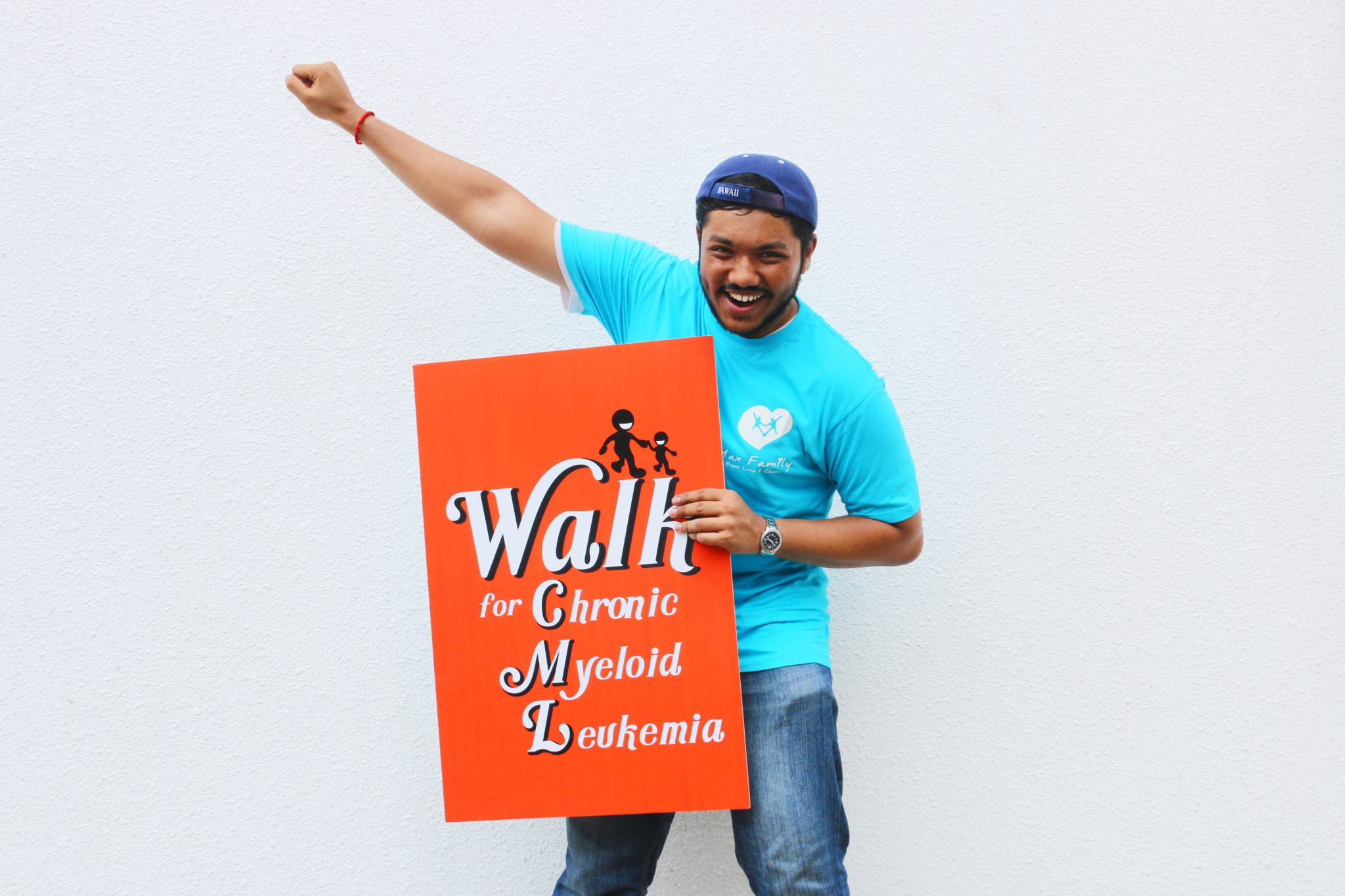
    We first met Thilip Kumar Ragavan in May 2014. He was a young chronic myeloid leukemia Spartan in the patient workshop at Hospital Ampang and was newly diagnosed with CML at that time, but the smile never left his face. Bright, vibrant, energetic, and positive – that’s Thilip.

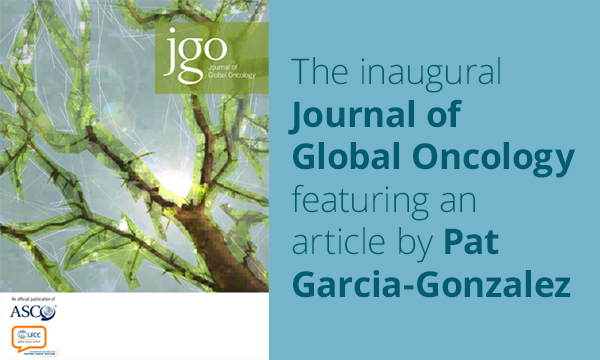
  • The GIPAP Program Detailed in the ASCO Journal of Global Oncology

    The GIPAP Program Detailed in the ASCO Journal of Global Oncology

    Last week ASCO launched the inaugural issue of the Journal of Global Oncology. This new open access, online journal focuses exclusively on cancer research, treatment, and the delivery of care in middle and low resource countries.

    Among the first seven articles, published on September 23rd, are original research, commentaries, and review articles, including a special article looking at the Glivec International Patient Assistance Program (GIPAP), authored by our CEO Pat Garcia-Gonzalez, MS, and others.

  • Shining a Light on Tian’s Resilience

    Shining a Light on Tian’s Resilience

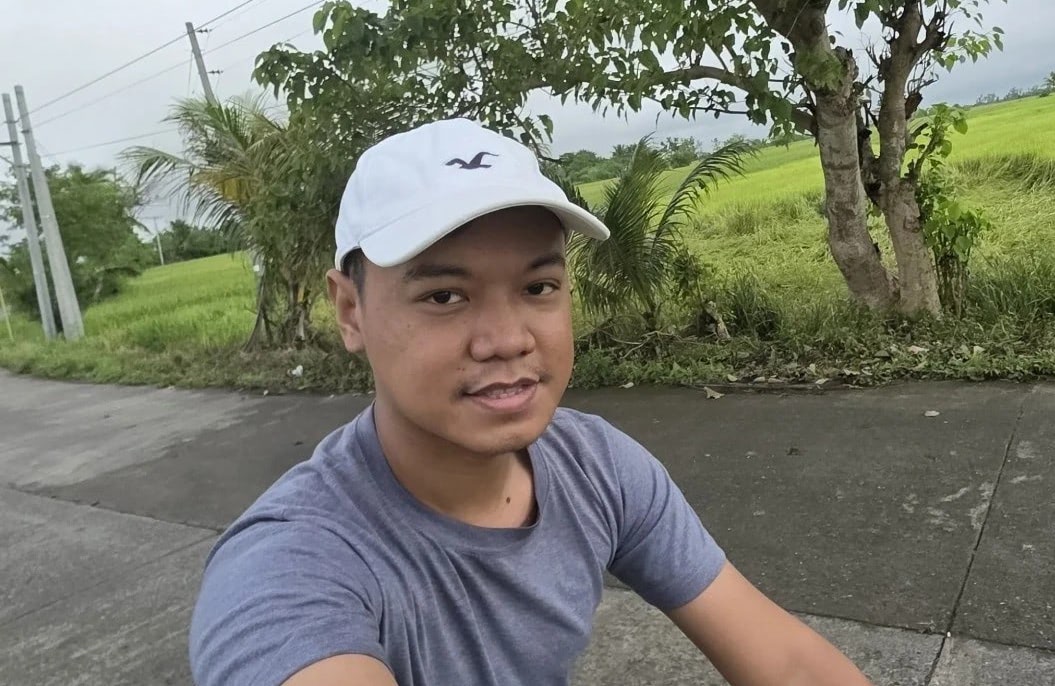
    Finding effective treatment is difficult for people living with cancer in low- and middle-income countries. It can take years to start feeling better. Christian, called Tian by his loved ones, works as a medical technologist at a private hospital in the Philippines. He was diagnosed with chronic myeloid leukemia (CML) in 2012, when he was….