From first symptoms to finding an effective treatment

From first symptoms to finding an effective treatment

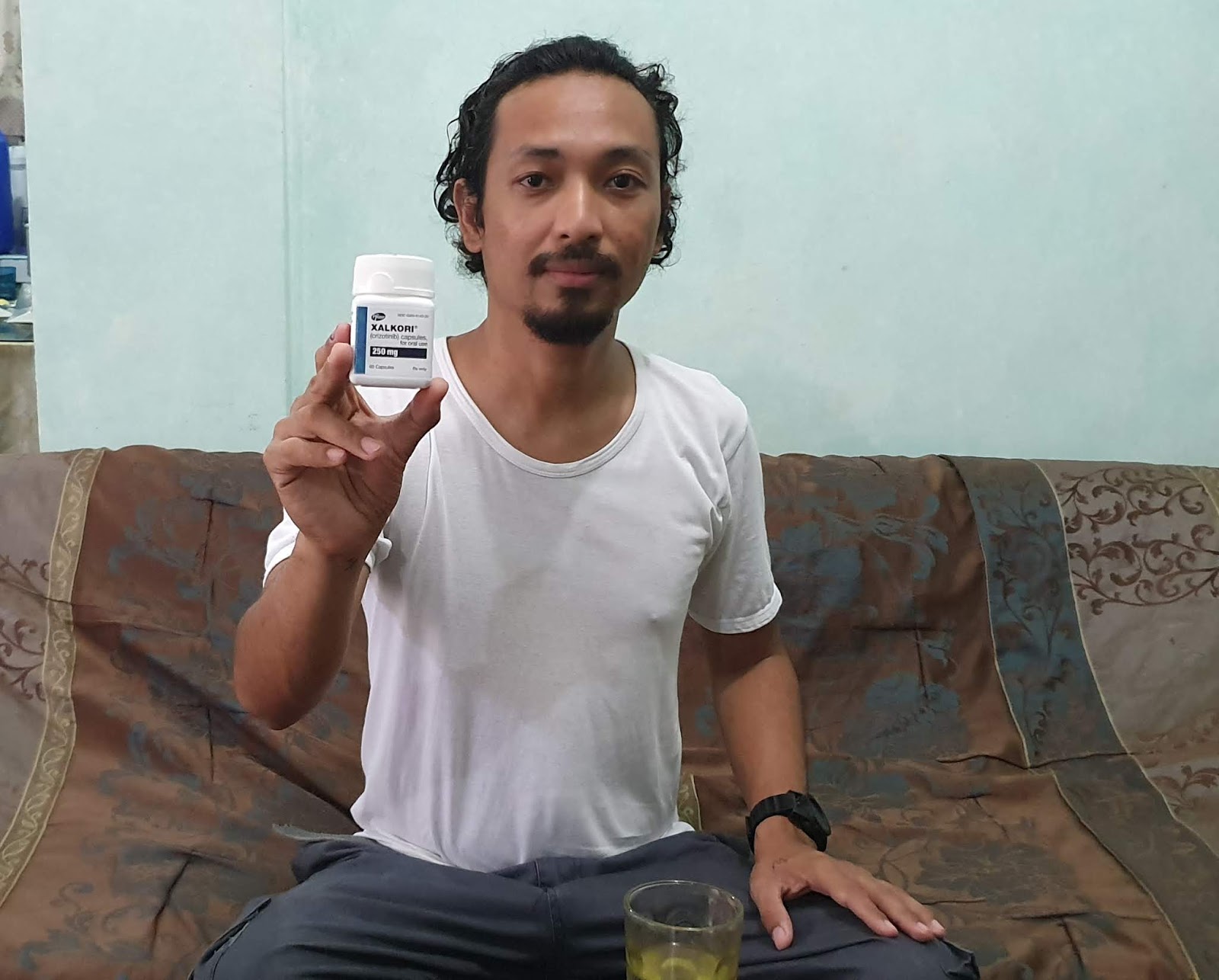
The journey from experiencing the first symptoms of chronic myeloid leukemia (CML) to finding an effective treatment can be long, difficult, and painful, especially in low- and middle-income countries. That was the case for Chamu from Harare, Zimbabwe. It took him more than a year to get a diagnosis, but he kept fighting and is now on medication that helps him manage his symptoms and get his strength back. 

He first started feeling unwell in 2016, coughing continuously on his way home from an exhibition at a local university. Over the next year, Chamu’s cough got worse and sometimes he would lose strength and collapse. He had many diagnostic tests done over this period – chest X-rays, blood tests, an endoscopy, an ultrasound, a lung function test, and a painful biopsy. He received a variety of treatments that were either not effective or only helped with his symptoms briefly. 

After seeing a hematologist, Chamu was prescribed very expensive medications. They seemed to work well for a while. Then, in November 2017, Chamu went to the hospital because he was feeling weak. As he was climbing the stairs to his room, he collapsed and woke up in a hospital bed. He stayed there for a week to receive treatment. Then, he was admitted again in December.  

“My situation got worse, and I requested to be discharged from the hospital so that I go to Harare, as I had heard that there was a new drug,” Chamu said. “I went to Harare in a critical state.” 

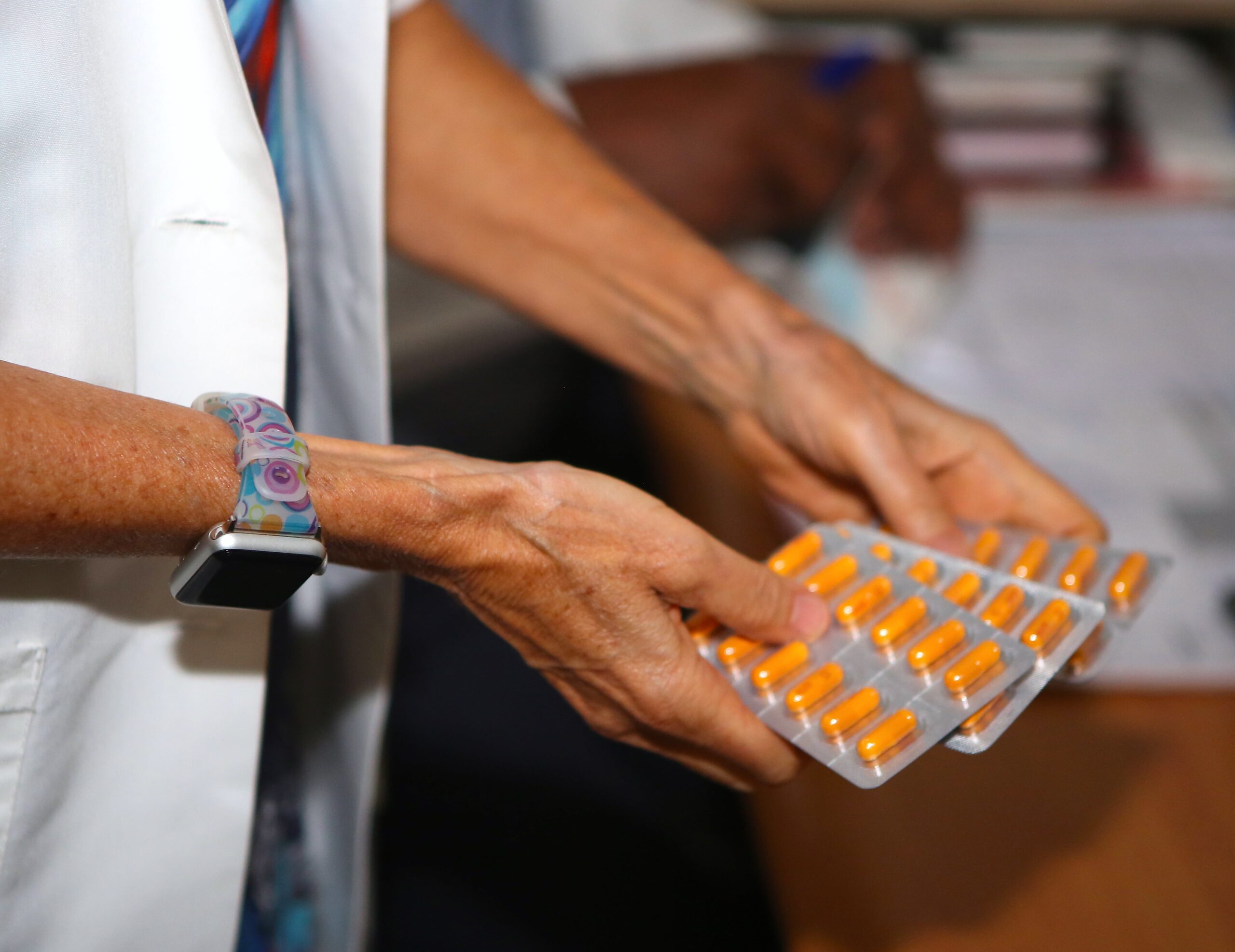
After starting Imatinib (Glivec) for CML, his coughing went away in just a week. He also started to gain back the roughly 60 pounds he lost. The Max Foundation and its partners provide access to support, care, and medication like Glivec in 77 low- and middle-income countries, including Zimbabwe.  

“If it were not for the medication that I get from The Max Foundation, I might have been history by now,” Chamu said. “I greatly appreciate the assistance they are providing, especially given the economic situation in our country.” 

The Max Foundation is a leading global health nonprofit organization dedicated to accelerating health equity. For 28 years, Max has pioneered practical, scalable, high-quality solutions to bring life-extending treatments and patient-centered health care to more than 100,000 people living with cancer and critical illness in low- and middle-income countries. Max believes in a world where all people can access high-impact medicines, where geography is not destiny, and where everyone can strive for health with dignity and with hope.

Related Articles

  • Empowering Hope: A Physician’s Journey Transforming PNH Care

    Empowering Hope: A Physician’s Journey Transforming PNH Care

    By Dr. Mipsang Lama Partner Physician at Patan Hospital in Nepal When Treatment Feels Like a Miracle Paroxysmal nocturnal hemoglobinuria (PNH) is a rare and devastating blood disorder. In many high-income countries, it is a condition with established treatment pathways. But in Nepal, for years, it was something we could diagnose, yet not truly treat…..

  • On World Cancer Day 2020, we are reflecting on what progress means to us

    On World Cancer Day 2020, we are reflecting on what progress means to us

    For the 20th anniversary of World Cancer Day, we asked our global team members, physicians, patients, caregivers, and advocates to share what progress in cancer care means to them. Progress means all cancer patients get the treatment they deserve.[/e World Cancer Day, celebrated on February 4, is a global initiative that aims to raise awareness….

  • Solidarity Ties Through the Mountains

    Solidarity Ties Through the Mountains

    Nestled in the mountains of Peru, there’s a place called Cusco where you’ll find the cancer patient group, Lazos Solidarios (Solidarity Ties). Yusef Herrera, created Lazos Solodarios to help cancer patients in this remote region in 2009 and today, the organization is supporting families facing CML and LLA, many of them children. Yusef, a dentist, became a committed advocate to close the cancer divide between these rural communities and their access to treatment and support.