From Lived Experience to Purpose: How Rushmie Supports Her Community in Sri Lanka
When Rushmie was diagnosed with chronic myeloid leukemia (CML) in 2004, she never imagined that the experience would one day shape how she showed up for others.
At the time, Rushmie was living and working overseas, focused on her career and future. She described herself as naturally introverted and happiest working behind the scenes.
Her diagnosis changed the direction of her life.
Rushmie returned home to Sri Lanka, where her family became an important source of support as she began navigating life with CML. Through that experience, she came to understand that while treatment is essential, patients often need much more than medicine.
They also need someone to listen. Someone who understands. Someone who can help them find their way through the practical challenges that come with illness.
That realization became the foundation of Rushmie’s work in her community.
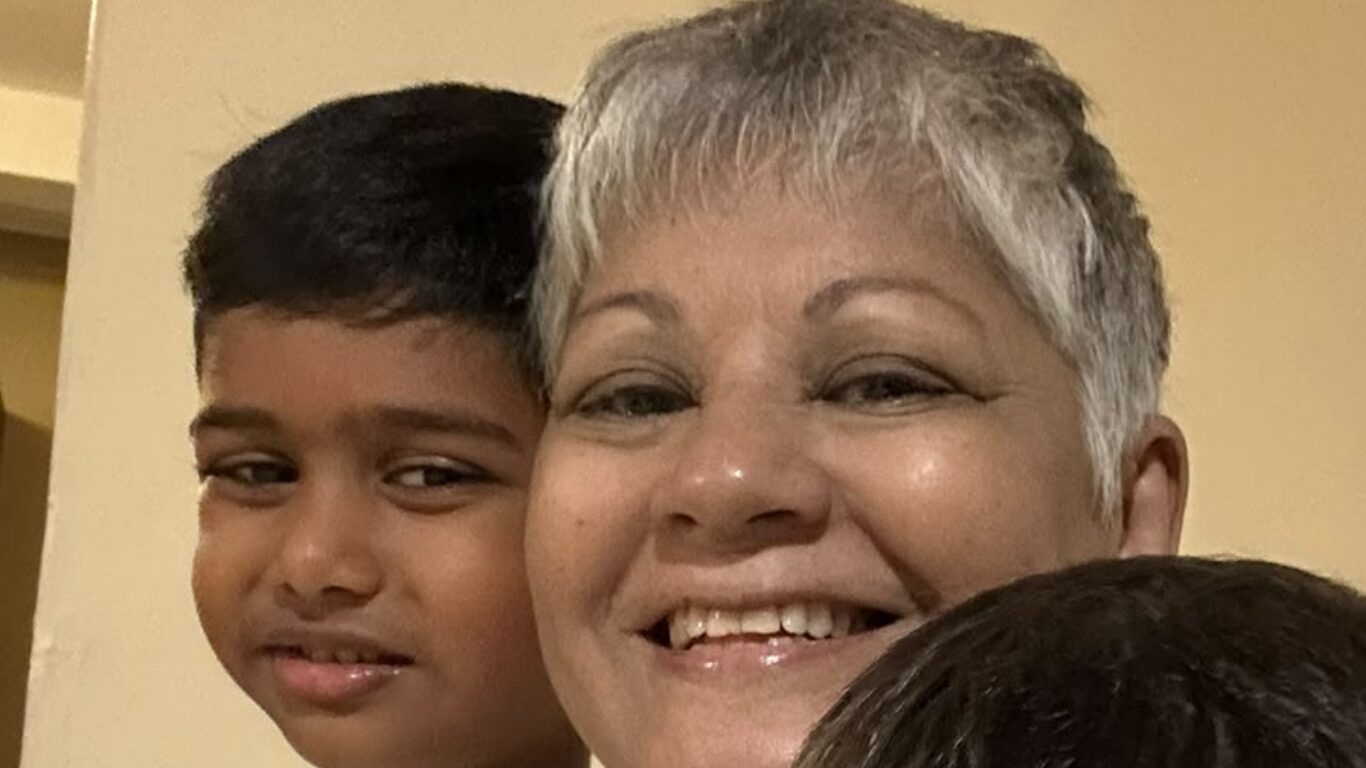
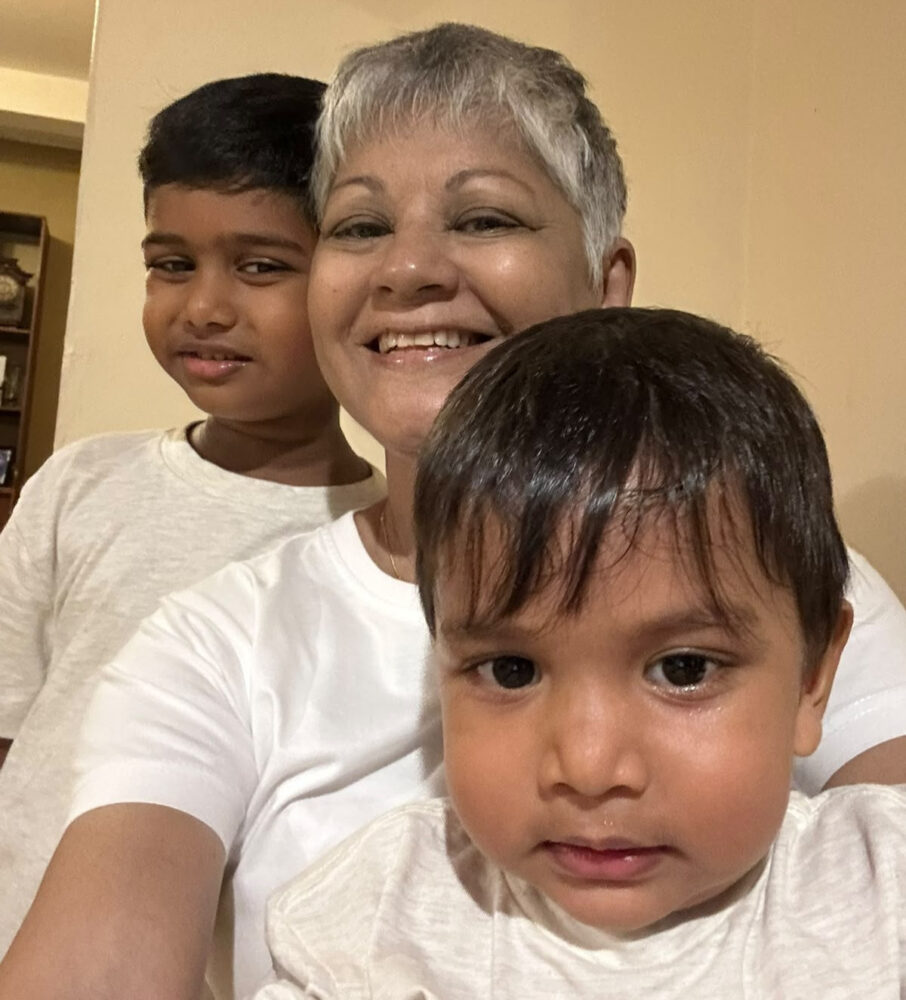
Rushmie with her grandchildren
Turning Experience Into Support for Others Today, Rushmie supports people living with CML and their caregivers across Sri Lanka.
Her approach often starts with listening.
Some patients want to talk about what they are experiencing. Others are looking for reassurance from someone who understands the uncertainty that can come with a diagnosis.
Having lived through those moments herself, Rushmie is able to offer something deeply personal: the comfort of being understood.
“Sometimes the greatest healing comes from knowing that someone truly understands,” she said.
Her support also extends to the everyday realities patients and families may face while seeking care.
Some travel long distances for treatment and may need help navigating challenges related to food, accommodation, or finances. Whenever possible, Rushmie helps connect patients and caregivers with organizations and networks that can provide practical support.
For Rushmie, these connections matter because a person’s need do not stop at the clinic door.
Finding Meaning in Small Acts of Care Rushmie’s commitment to others extends beyond the CML community. She volunteers with the Indira Cancer Trust, spending time with children through art and craft activities that bring creativity, color, and moments of joy into hospital wards.
She also serves snacks to patients waiting through long clinic hours.
These gestures may appear simple, but Rushmie sees them differently.
“Being present for someone is the greatest gift you can offer,” she said.
For someone facing a difficult day, a conversation, a snack, a creative activity, or simply having another person nearby can carry real meaning.
It is this willingness to notice what someone needs and respond with care that has become central to Rushmie’s role in her community.
A Purpose She Never Expected World Humanitarian Day recognizes people who dedicate their time, energy, and compassion to helping others.
That spirit of service is not limited to large humanitarian responses. It can also be found in communities, hospitals, and support networks, where people quietly help others navigate some of the most difficult moments of their lives.
Rushmie is one of those people. Her experience with CML did not prevent her from contributing to her community. Instead, it became part of what motivated her to support others facing similar challenges.
“When people ask me what CML has given me, my answer is always the same: it gave me purpose.”
The person who once struggled to share her own diagnosis has become someone patients and caregivers can turn to for understanding, encouragement and connection.
Her story is a reminder that meaningful support can take many forms. Sometimes it means helping someone find practical assistance. Sometimes it means listening without judgment. Sometimes it means bringing a little joy into a hospital ward. And sometimes, it simply means being there.
This World Humanitarian Day, The Max Foundation celebrates Rushmie and community advocates like her who show that care can extend far beyond medicine.
The Max Foundation is a leading global health nonprofit organization dedicated to accelerating health equity. For 28 years, Max has pioneered practical, scalable, high-quality solutions to bring life-extending treatments and patient-centered health care to more than 100,000 people living with cancer and critical illness in low- and middle-income countries. Max believes in a world where all people can access high-impact medicines, where geography is not destiny, and where everyone can strive for health with dignity and with hope.
Related Articles
Building Community Through Art
As a new team member of The Max Foundation, I feel honored to work with an organization that advocates for patients dealing with blood cancer. This global health organization has helped thousands of patients get access to treatment, provide education and awareness, and bring a community together throughout the world.
Chai for Cancer USA on the Road
This summer, India Country Head Viji Venkatesh is crisscrossing the USA to host Chai for Cancer addas and share The Max Foundation vision. Started in India, Chai for Cancer is our global initiative to invite our community to partner with us. There have already been a number of events in Houston, Charlotte, and New Jersey with more to come!
Meet the Max Team – Ashok
Meet Ashok! He’s been with The Max Foundation for six years, working as an Office Admin Assistant for our India region. Learn more about why he started with the organization, what his work week looks like, and a special memory he had with a patient. What drew you to join The Max Foundation, and why….
The Max Foundation uses cookies to improve your experience on our site. Please read our Privacy Policy for more information.