What Happens If We Knock on the Door?
Who would have ever thought there would ever be a Max Family Society Malaysia, a Max Global Network patient support group, 10 years ago? It took a courageous first step to be where we are today.
When I first got involved in patient support and advocacy work with The Max Foundation 11 years ago, I remember vividly the most common questions: “Am I the only one diagnosed with this disease in the country? Is there another person who is having similar condition like me?” These questions made me dream for a space where Malaysian patients and caregivers could meet each other and share their experiences.
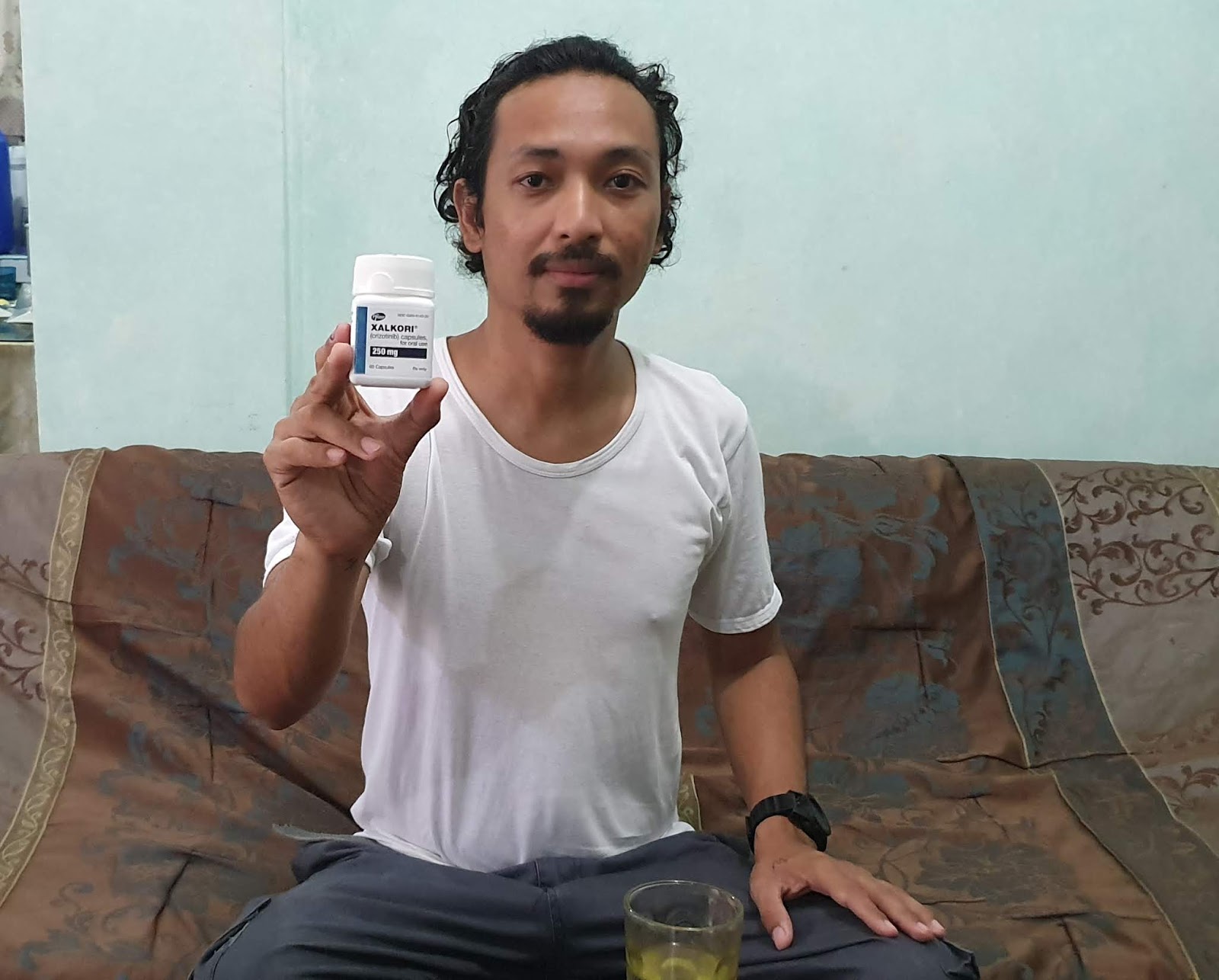
The dream slowly became a reality when I got to know two individuals, Dr Razak and Sahimi, who are living with chronic myeloid leukemia (CML.) It was at the hematology clinic at the national reference hospital where we started our first informal meeting. We made an important decision that day: to form a patient support group!
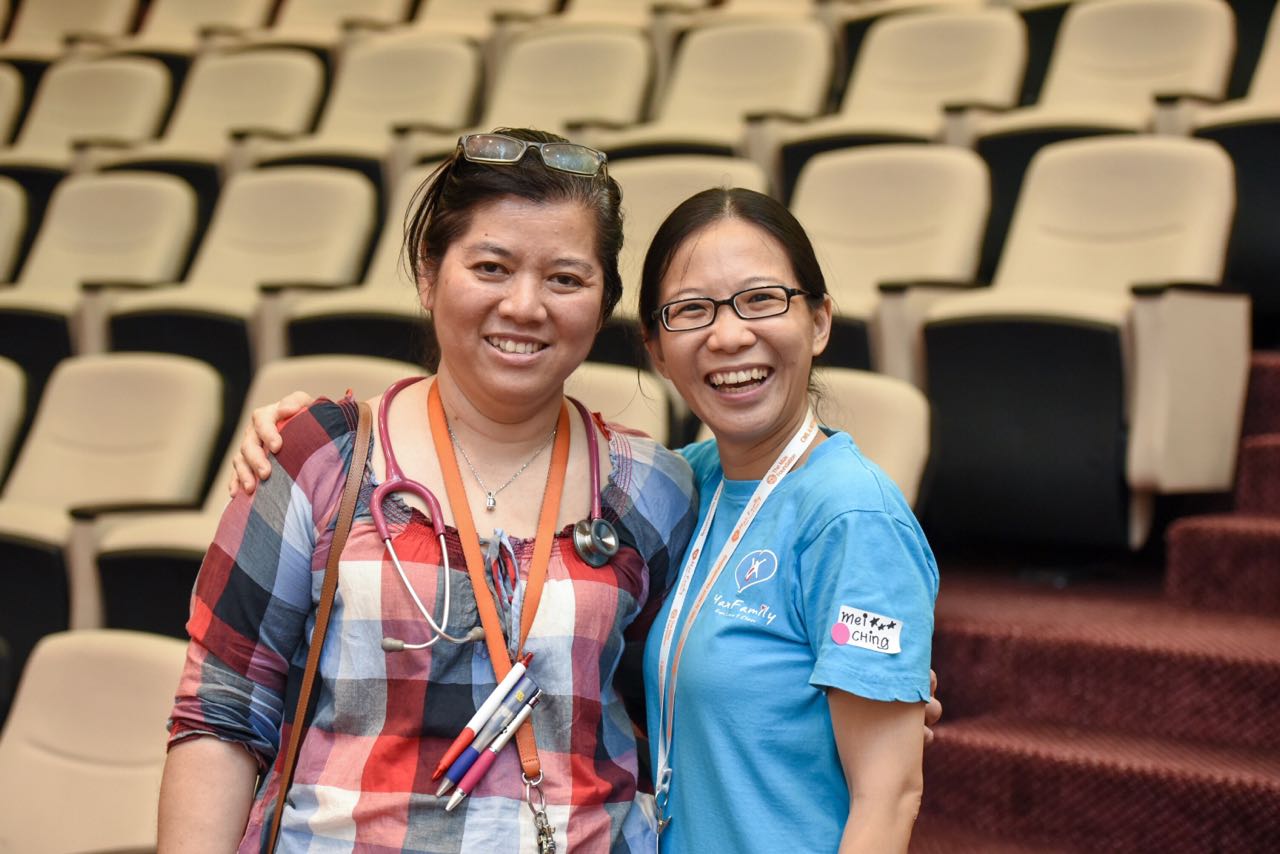
That was 10 years ago. Since then, I have witnessed the amazing growth of our patients and our physician team. Over these 10 years, with the support and guidance from The Max Foundation, this joint collaboration has had tremendous achievements:
- 140 patient workshops and get-togethers
- Eight patient congress and camps
- 28 pediatric patients storytelling events
- Numerous health awareness exhibitions
- Support for 24 children of cancer patients to continue schooling
In the last decade, we have reached over 10,000 patients and caregivers in Malaysia.
One of the most significant things in my journey with The Max Foundation has been the opportunity to work with so many amazing individuals – each one of them teaches me the meaning of life, shows me the courage, and prove that nothing is impossible.
It was a brave moment in taking the first step to call for those initial informal meeting, which marked the formation Max Family. I strongly believe that through The Max Foundation and Max Family, we are able to do more for our cancer community. Cancer touches everyone, but it does not only bring negative experiences. You and I have the power to turn the challenges into opportunities and change a life.
I am looking forward for another 10 years of Max Family!