
A Farmer’s Journey Through the Cost of Cancer Care in India
For Narayan, a cancer diagnosis brought significant financial strain to a farming family navigating making a living from the land.


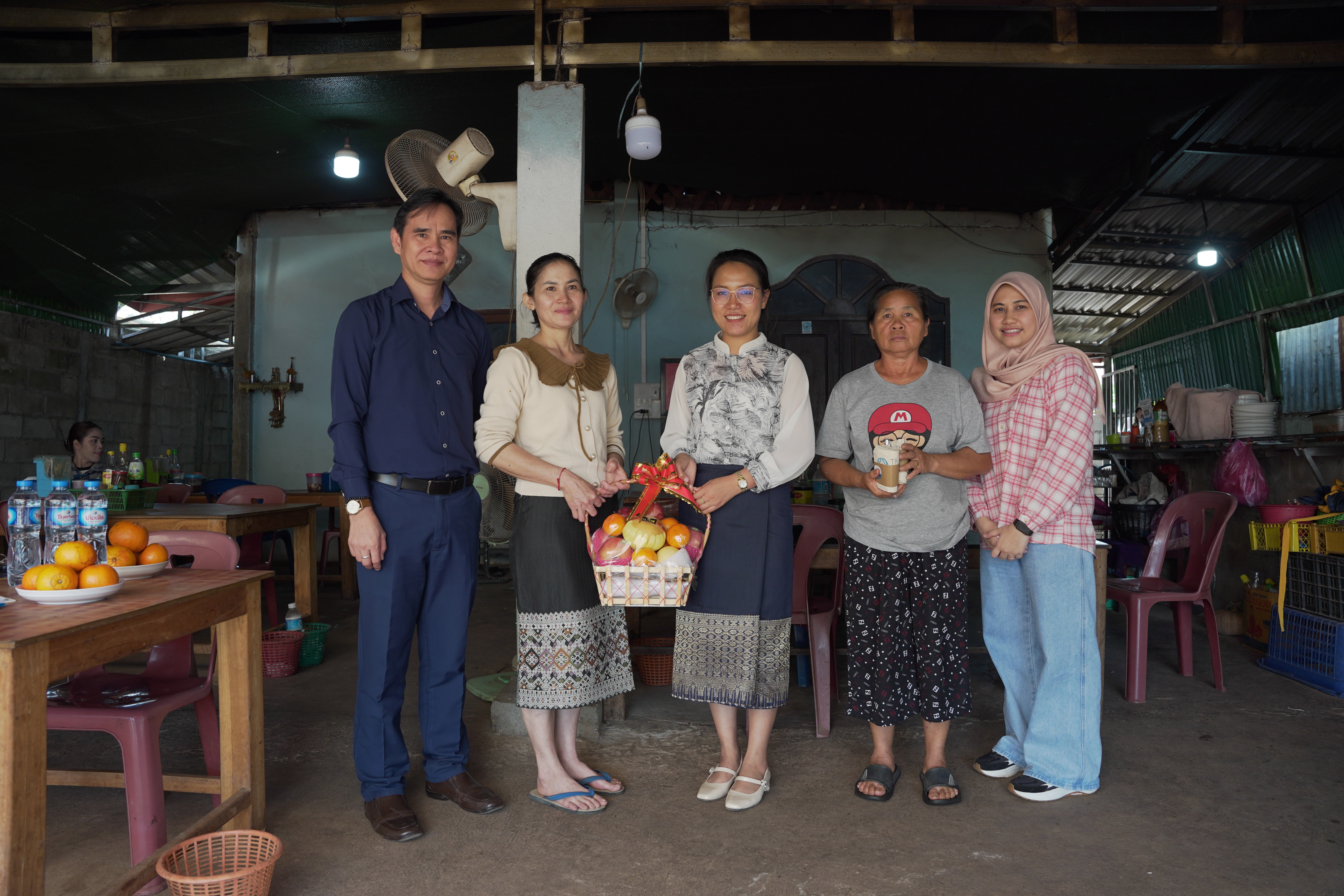
Across our global team, cultural context shapes how we connect and show up for patients every day. From understanding stigma to honoring the role of family and community, our colleagues bring deep local insight that makes care more human and relevant.
For Cultural Diversity Day, we asked regional team members who work directly with the people receiving treatment to share how culture influences real lives in our work of making global health equitable.
Meron Hiruy, Program Coordinator in Ethiopia
What’s something people often misunderstand about patients in your country or community?
In many Ethiopian communities, cancer is also surrounded by stigma and misunderstanding. Some people even see it as a curse, which makes the emotional burden of the disease even heavier. Because of this, many patients choose to keep their diagnosis secret. They fear pity, judgment, isolation, or being treated differently. Sometimes the stigma becomes so painful that patients hesitate to share their condition even with close family members. What many fail to understand is that cancer patients do not only fight the disease itself, they also fight fear, social isolation, and the way society looks at them.
When some brave patients choose to disclose their condition, they often face misunderstanding instead of support. In Ethiopia, cancer is still widely viewed as a final sentence rather than a journey people can continue to live through with hope, plans, and purpose. Sometimes, when people see a cancer patient talking about the future, working, laughing, or making plans for tomorrow, they react with deep sympathy, almost as if they are wondering, “Why are you trying so hard when tomorrow is uncertain?” But cancer patients are still people with dreams, responsibilities, families, and reasons to keep going.
Vimbai Taruwedzera, Africa Regional Program Officer located in Zimbabwe
How does your cultural background influence how you work with partners or patients?
I come from Zimbabwe. I belong to what is popularly known in Zimbabwe as the Shona culture. According to my culture, the whole is greater than the sum of its parts. This ideology helps me to value and prioritize colleagues, partners, and patients in my service to them in order to ensure that the program grows and the ecosystem thrives.
Nicole Jordaan, HR & Admin Officer located in South Africa
What’s one cultural insight that has shaped how you work with patients or partners?
One cultural insight that has shaped how I work with the patient group partners, with regards to the Last Mile program in their countries, is the importance of listening with cultural humility, understanding that health beliefs, communication styles, and decision-making can vary widely. Taking time to respect these differences helps build trust and ensures that support is truly patient-centered. It also reminds me to adapt my approach so that care feels relevant and accessible within each person’s cultural context.
Joel Mahoussi Goudayi, Program Coordinator in Benin
How does your cultural background influence how you work with partners or patients?
I’ve been raised in a conservative environment where respect plays a very important role and where it is considered essential that everybody follows these principles. This education has shaped my way of doing things for many years now. When I joined The Max Foundation, it also influenced the way I work with both partners and patients. Every interaction is deeply grounded in respect.
Tresor Mbuyi, Africa Regional Program Manager located in the Democratic Republic of Congo
What’s one cultural insight that has shaped how you work with patients or partners?
One cultural insight that has shaped my work is the importance of building trust and relationships before focusing on processes. Taking time to listen, respect local contexts, and build relationships with internal and external stakeholders leads to stronger engagement and more sustainable outcomes.
Ashika Naik, Program Officer for India located in Banglaore
How does being rooted in the local context help you show up more meaningfully for patients?
Being rooted in the local context allows me to truly understand the realities patients face such as language barriers, health system navigation, financial pressures, and family responsibilities that shape their care decisions every day. This perspective helps me design and implement programs that are not only well‑intentioned, but practical, relevant, and responsive to real needs. It also enables deeper, more trusting connections with patients and caregivers, because the support we offer reflects their lived experiences. As a result, our programs are more patient‑centered, ensuring care is not just available on paper, but genuinely accessible, meaningful and supportive for patients and their families.
Prasad Kothekar, Program Coordinator for India located in Mumbai
How do our diverse perspectives as a global team strengthen the way we serve patients locally?
Our diverse perspectives as a global team allow us to blend global best practices with a deep understanding of local realities. Learning from colleagues across regions helps us communicate better, simplify processes, and anticipate barriers—so the support we offer is timely, respectful, and truly accessible for each patient. At the local level, having a dedicated patient office creates a safe space where patients feel comfortable walking in, sharing their concerns, and expressing their emotions openly. These conversations offer invaluable insights into their everyday realities and directly inform how we plan and refine our programs.
When patients reach out, whether by visiting us or calling to report challenges that may disrupt their treatment, we discuss these cases as a team and determine how best to respond. Sometimes that means connecting them to an existing support pathway; other times it highlights a gap that calls for a new solution. Throughout this, our goal is always to reduce the burden on patients as much as possible, so they can stay on treatment and live with greater freedom—while remaining aligned with the same global standards of quality, compliance, and patient focus. And when we see the relief and happiness on patients’ faces because of this collective effort, that impact speaks more powerfully than words ever could.
María Julia Sánchez, Program Coordinator in Venezuela
What’s something people often misunderstand about patients in your country or community?
People often do not realize the hardships each patient may be going through, because they maintain a good attitude, willingness, and optimism above all else.
Ivagna Rondón, Caribbean Program Coordinator located in the Dominican Republic
What’s one cultural insight that has shaped how you work with patients or partners?
One cultural insight that has shaped my work is realizing how powerful community can be in patient support. In many cultures across the Caribbean and Latin America, family, connection, and emotional support play a huge role in a patient’s journey. This has reminded me that our work goes far beyond medication; it is also about helping people feel supported, understood, and less alone.
Sweta Agrawal, Program Coordinator in Nepal
What’s something people often misunderstand about patients in your country or community?
Nepal is a country with diverse culture and different perceptions about cancer patients. Many people might assume that if a patient from a remote village delays treatment, it is due to lack of awareness – that the rural people consider cancer as past life sin and that the cancer patient is a past karmic debt holder, and consider it as their ultimate fate. But in reality, most of the Nepali patients and their families are incredibly proactive. They even sell their family land and house for treatment. Thus, when a patient seeks a traditional healer (faith healer/shaman) alongside an oncologist, it isn’t necessarily a rejection of western medicine. It’s more about a cultural method of addressing spiritual and emotional anxiety, as decisions are rarely made by the individual alone; they are made by the family unit. As an example, a patient shared that she was hesitant to start treatment because she feared it might affect her ability to have children after marriage. She said she wanted to discuss it with her family first and was considering not starting treatment with the oncologist but went to a faith healer.
Tamayanty Kurusamy, Eastern Europe Program Officer located in Malaysia
What’s something people often misunderstand about patients in your country or community?
Across the countries where I work with physicians in Eastern Europe: Latvia, Moldova, Serbia, Lithuania, and Belarus, one reality that is often overlooked is how fragile and complex patients’ support systems can be. There is sometimes a perception that because these are European countries, patients are financially stable and able to access care easily. But many are quietly balancing economic hardship, caregiving responsibilities, and even cross-border work just to support their families while trying to remain on treatment.
What is sometimes recorded as “missed follow-ups” is rarely a simple case of disengagement. More often, it reflects patients trying, as best as they can, to stay connected to treatment while managing very real economic and social pressures. There is something deeply humbling in how many continue to stay committed to their care despite these challenges. Some collect medication in advance before leaving for work abroad. Others carefully plan return visits around limited time and resources. Many persist quietly, doing everything possible to remain on treatment even when life becomes incredibly difficult.
Behind what may be labelled as “non-compliance” are human stories of resilience, responsibility, and quiet sacrifice.
Socheatha Jim, Program Coordinator in Cambodia
What’s one cultural insight that has shaped how you work with patients or partners?
To be an effective Program Coordinator in Cambodia, you must manage the social ecosystem rather than just a checklist. This means navigating two critical power structures:
Wirat Sae-Kuai, Program Officer & Head of Thailand Liaison Office
How does your cultural background influence how you work with partners or patients?
Growing up in Thailand has influenced how I work with partners and patients by teaching me the importance of respect, patience, and maintaining positive relationships. In my daily work, I try to communicate politely and thoughtfully, especially when working with physicians, partners, and patients from different cultures and backgrounds. I have seen that showing understanding and flexibility can help build trust and support smoother collaboration, especially when handling urgent or sensitive situations related to patient access and treatment.
Rigina Bakhshaliyeva, Program Coordinator in Azerbaijan
How does your cultural background influence how you work with partners or patients?
My background and communication with people from different cultures and walks of life taught me how important it is to truly listen to patients and make them feel heard. Sometimes what people need most is simply not to feel ignored or invisible, and I believe this is one of the most important parts of communication.
Phaengsy Daoduangdee, Program Coordinator in Laos
What’s one cultural insight that has shaped how you work with patients or partners?
As a Lao, I have learned that trust, respect, and polite communication are deeply valued in our culture. In my role coordinating with physicians, government officers, and patients, this understanding guides how I communicate patiently and respectfully while taking time to build strong relationships. This approach helps me work more effectively and build mutual trust with all partners.
Izzati Rodzi, Program Officer in Malaysia
What’s one cultural insight that has shaped how you work with patients or partners?
One cultural insight that has shaped how I work with patients and partners is the importance of building trust before focusing on outcomes. I’ve learned that listening with empathy, respecting different perspectives and taking time to understand individual circumstances often leads to stronger collaboration and better support.
The Max Foundation is a leading global health nonprofit organization dedicated to accelerating health equity. For 28 years, Max has pioneered practical, scalable, high-quality solutions to bring life-extending treatments and patient-centered health care to more than 100,000 people living with cancer and critical illness in low- and middle-income countries. Max believes in a world where all people can access high-impact medicines, where geography is not destiny, and where everyone can strive for health with dignity and with hope.
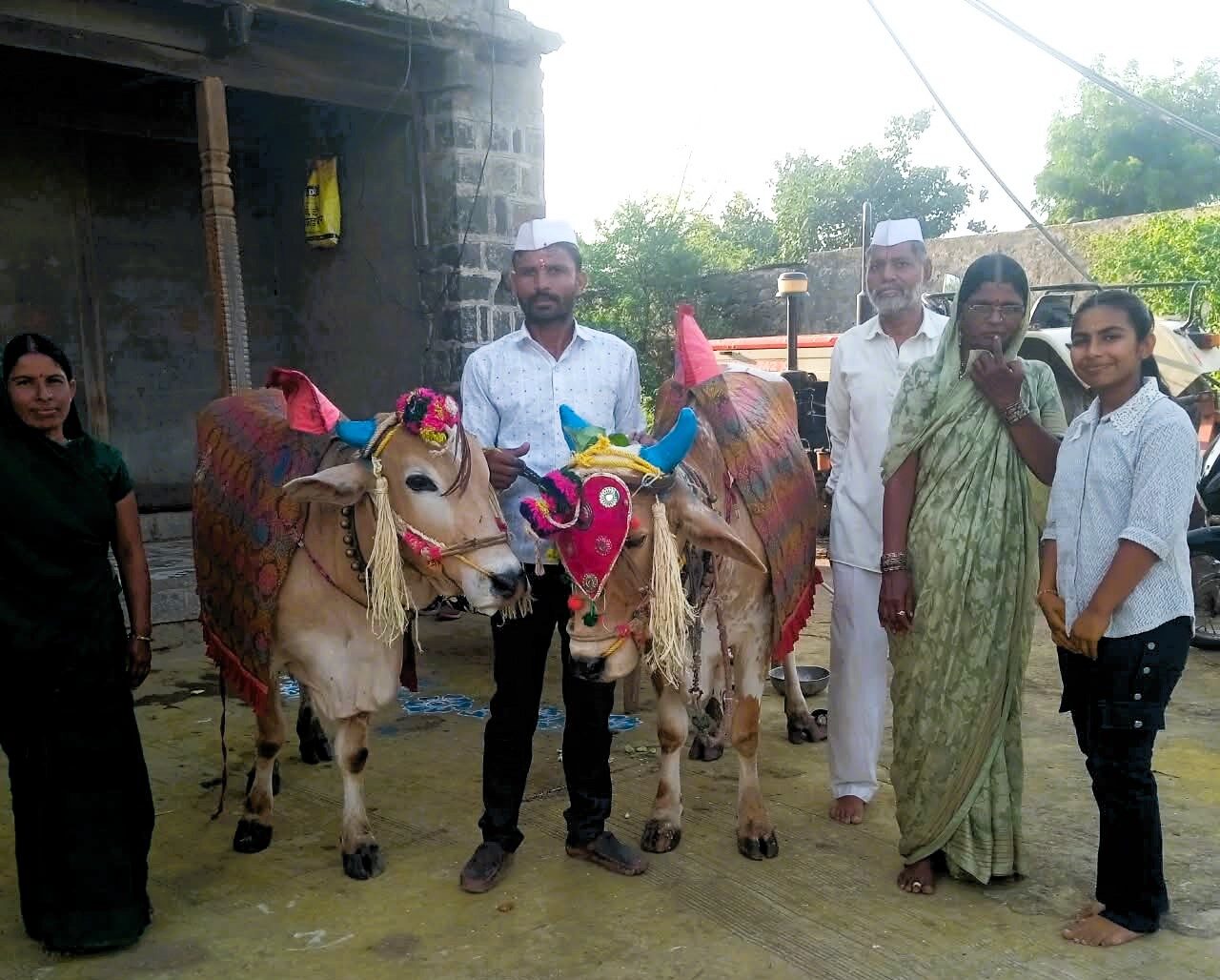
For Narayan, a cancer diagnosis brought significant financial strain to a farming family navigating making a living from the land.
Every day can feel like World Cancer Day when you are living with Cancer. A diagnosis changes our lives and our family’s lives from the moment we hear the news. We want you to know that you are not alone in facing your diagnosis. In fact, we created a playlist of inspiring songs from around the world to keep you going so you can listen anytime and feel the support of your community.
As a new team member of The Max Foundation, I feel honored to work with an organization that advocates for patients dealing with blood cancer. This global health organization has helped thousands of patients get access to treatment, provide education and awareness, and bring a community together throughout the world.