The “Last Mile” to Treatment Access: Alassane’s Story
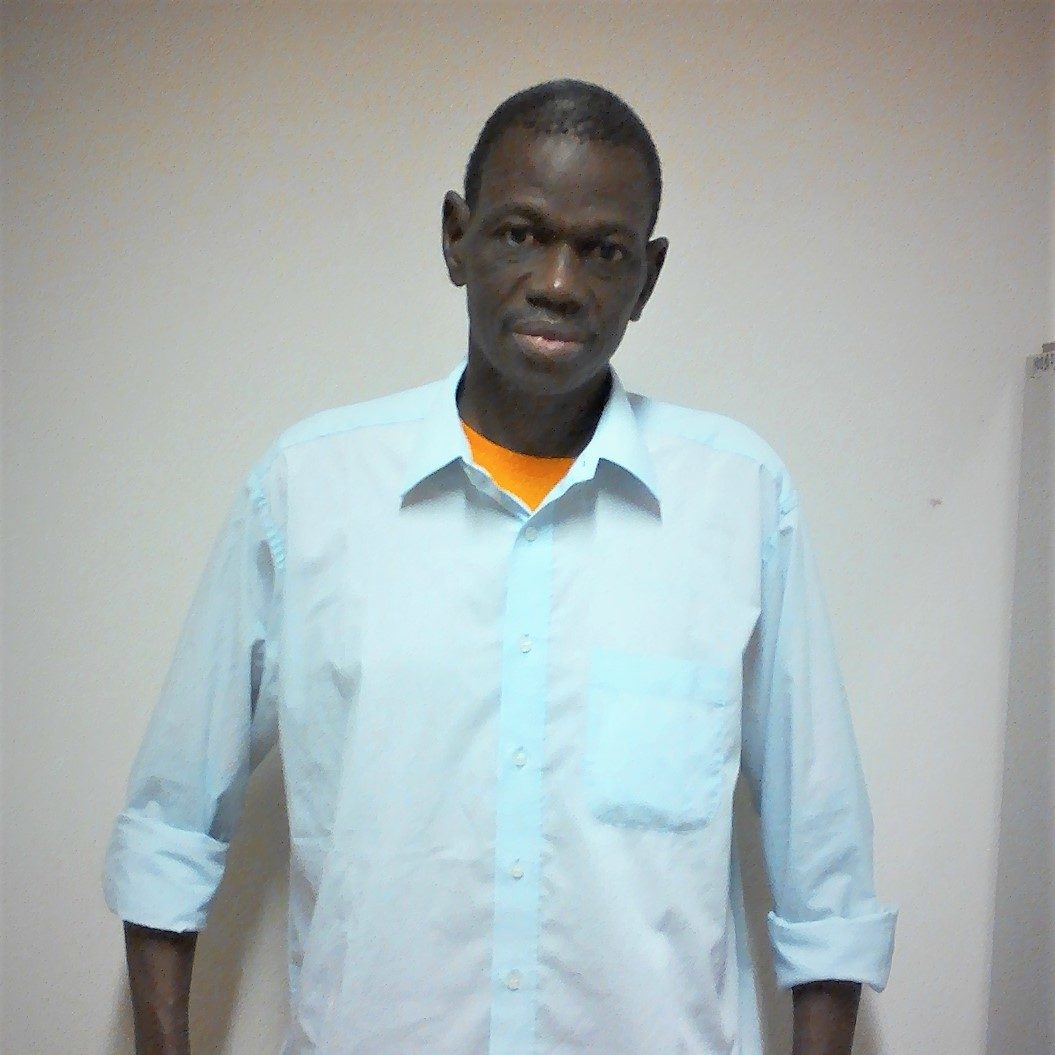
The man before me is tall, handsome, and sharply dressed in a light blue button-up shirt and khaki pants. His polished appearance belies the distance he’s journeyed to be here. His name is Alassane. He is from Matam, an area nearly 700km from Dakar, the capital of Senegal.
A Normal Life
He says that before his cancer diagnosis he had a normal life. He lived and worked as a merchant, visiting neighboring cities to buy and sell supplies. Today he is 57 years old, retired, and still lives in Matam with his family. He travels less frequently now, but when he does he has to go much further from home.
The Only Place
Following a routine hernia surgery in 2010, Alassane’s spleen got bigger and he started losing weight. At first he and his family had feared it might be HIV, but tests confirmed that Alassane has rare form of leukemia called CML (chronic myeloid leukemia). Though it’s hundreds of kilometers from his home, the Hopital Dalal Jamm in Dakar is the only place in Senegal he can access the lifesaving treatment he needs.
His “Last Mile” to Treatment Access
Though he makes his recurring journey to Dakar alone, Alassane has relatives waiting for him when he gets there. His brother and cousin both live in the capital city. He says they’ve been emotionally and financially supportive since his cancer diagnosis and house him during his visits. Recently, he stayed with his cousin for 40 days so the doctor could monitor Alassane’s response as he switched to a new second-line medication for his leukemia. Just like the first-line medication he took for nearly 8 years, this new treatment is provided free-of-charge through Max Access Solutions. Every time Alassane makes his journey to Dakar, The Max Foundation will ensure the world’s best medicines will be waiting for him there.
How You Can Help
At The Max Foundation, we work to bridge gaps in cancer treatment access with Max Access Solutions: our comprehensive patient-centered model for drug donation. Thanks to the generosity of our pharmaceutical partners, the drugs themselves are made available at no cost, but an enormous amount of work is still required to bridge the “last mile” and make them accessible to people in need.
Those “last mile” efforts take many forms. For the patients we support, it’s often a recurring journey to and from a clinic or hospital. For our partners and team members, the “last mile” takes place in customs offices and at ministries of health, on bus-rides to laboratories and site visits to remote clinics. Most importantly, our “last mile” efforts take the form of patient support; working to educate local communities, provide close emotional support, and reduce the stigma surrounding cancer.
With help from supporters like you, we can continue to grow these “last mile” efforts and bridge the gaps in treatment access for people in Africa and beyond. Together, we can realize a world where everyone can face cancer with dignity and hope.