Let’s Come Together, Shall We?
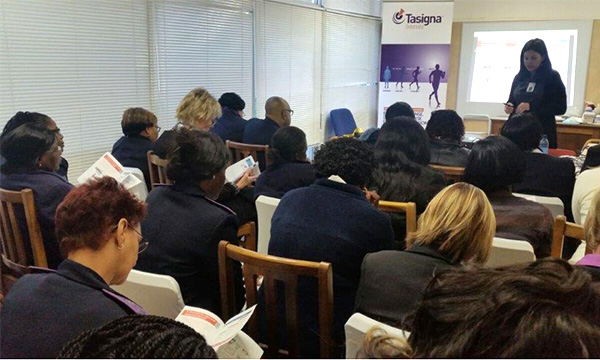
This year, the Malaysia team set a goal of creating deeper connections in our local patient initiatives. We wanted to see our patient community connect with each other. We changed the format of our patient workshops from seminars into intimate, casual gatherings. “Let’s Sama-Sama” (Let’s Come Together) is a space for patients to build stronger relationships with each other and to encourage more sharing and learning alongside disease education.
I forgot to tell you an important fact! In our culture, Sama-Sama is a notion of togetherness: “We’re in this together, you got my back.”
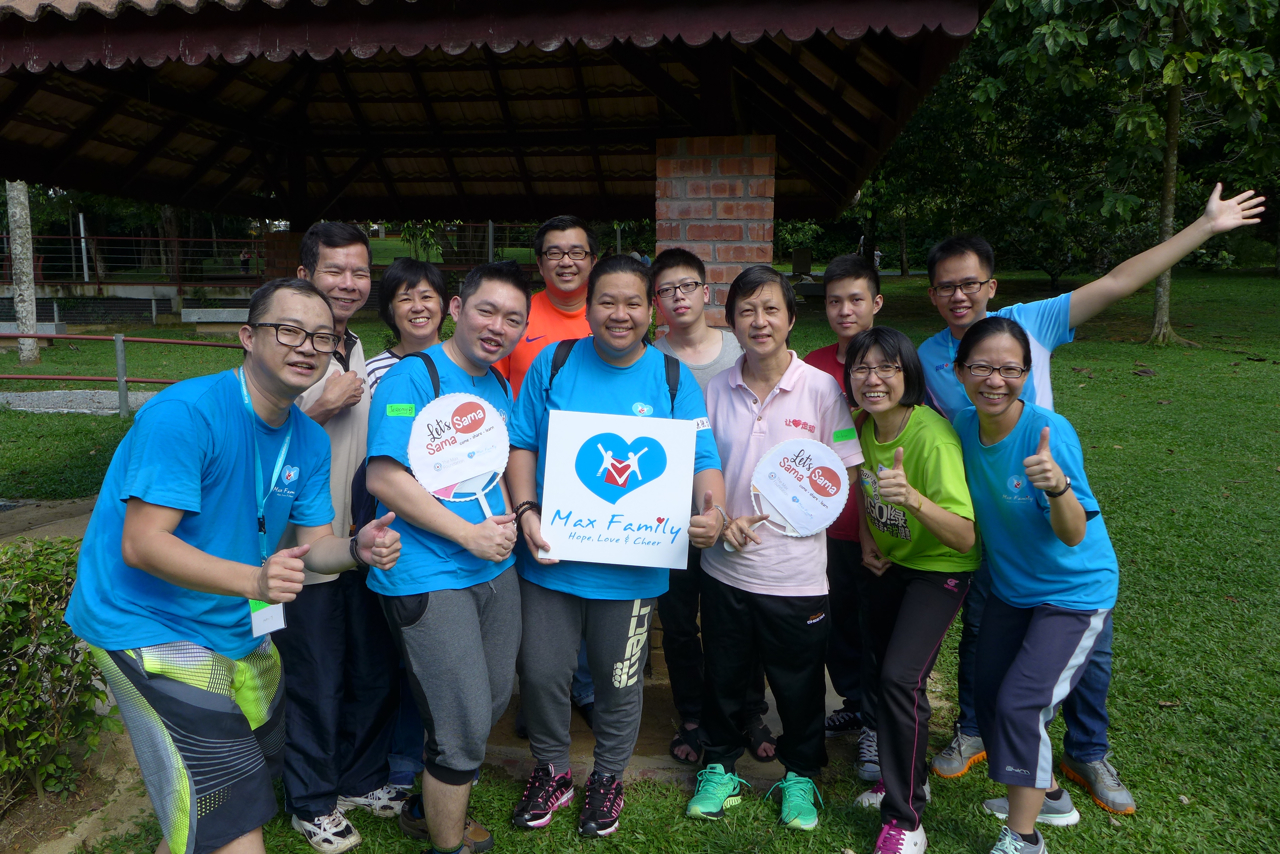
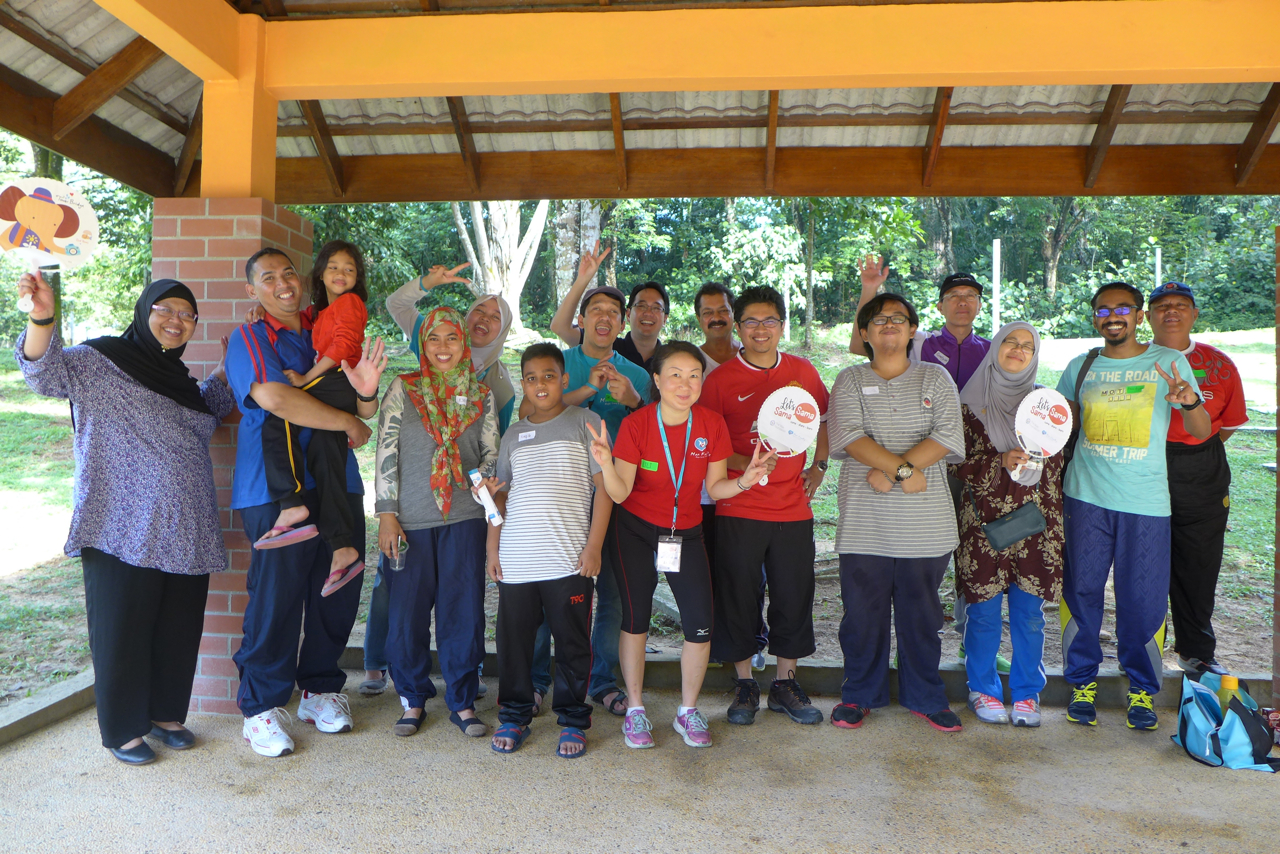
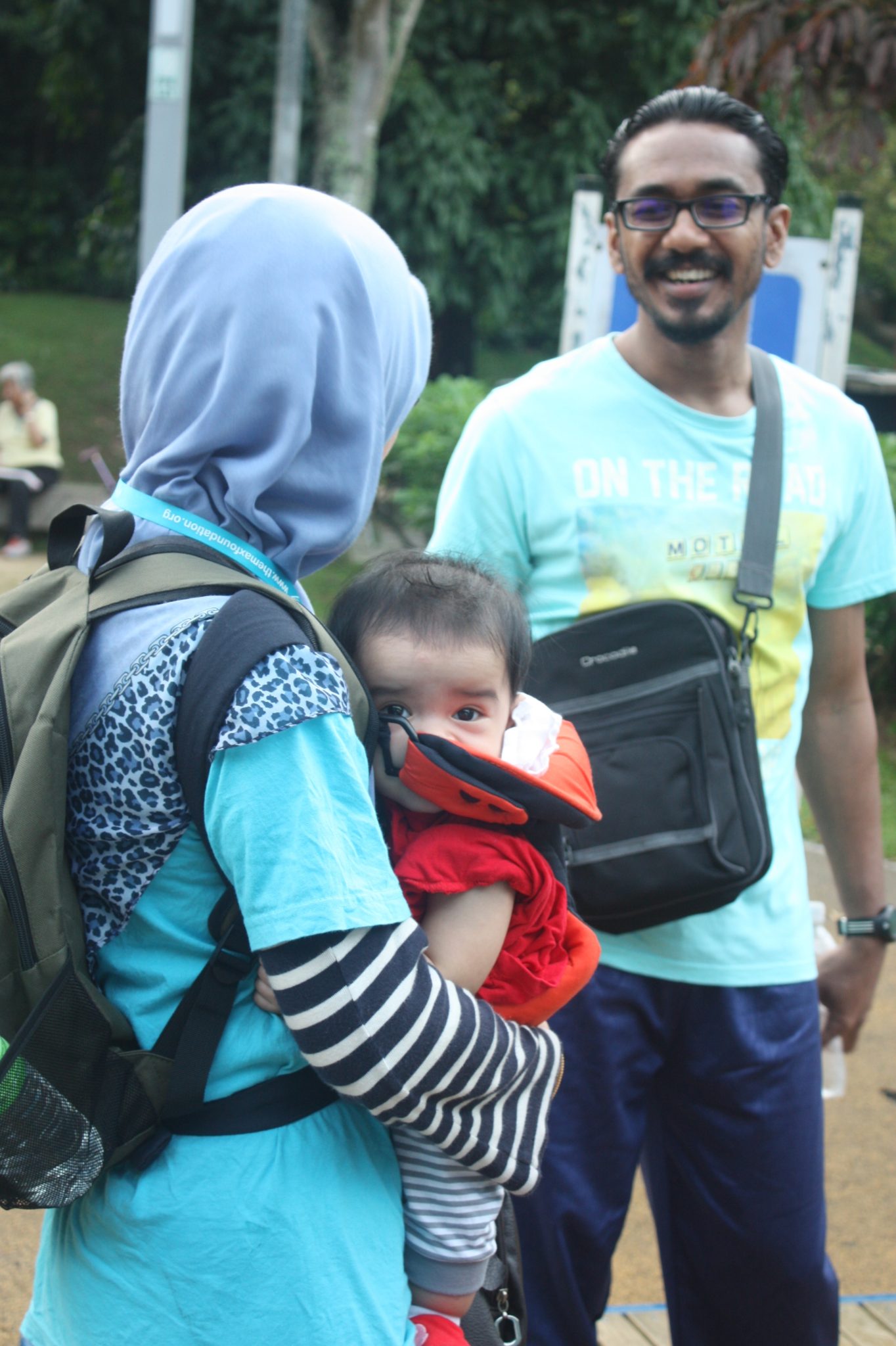
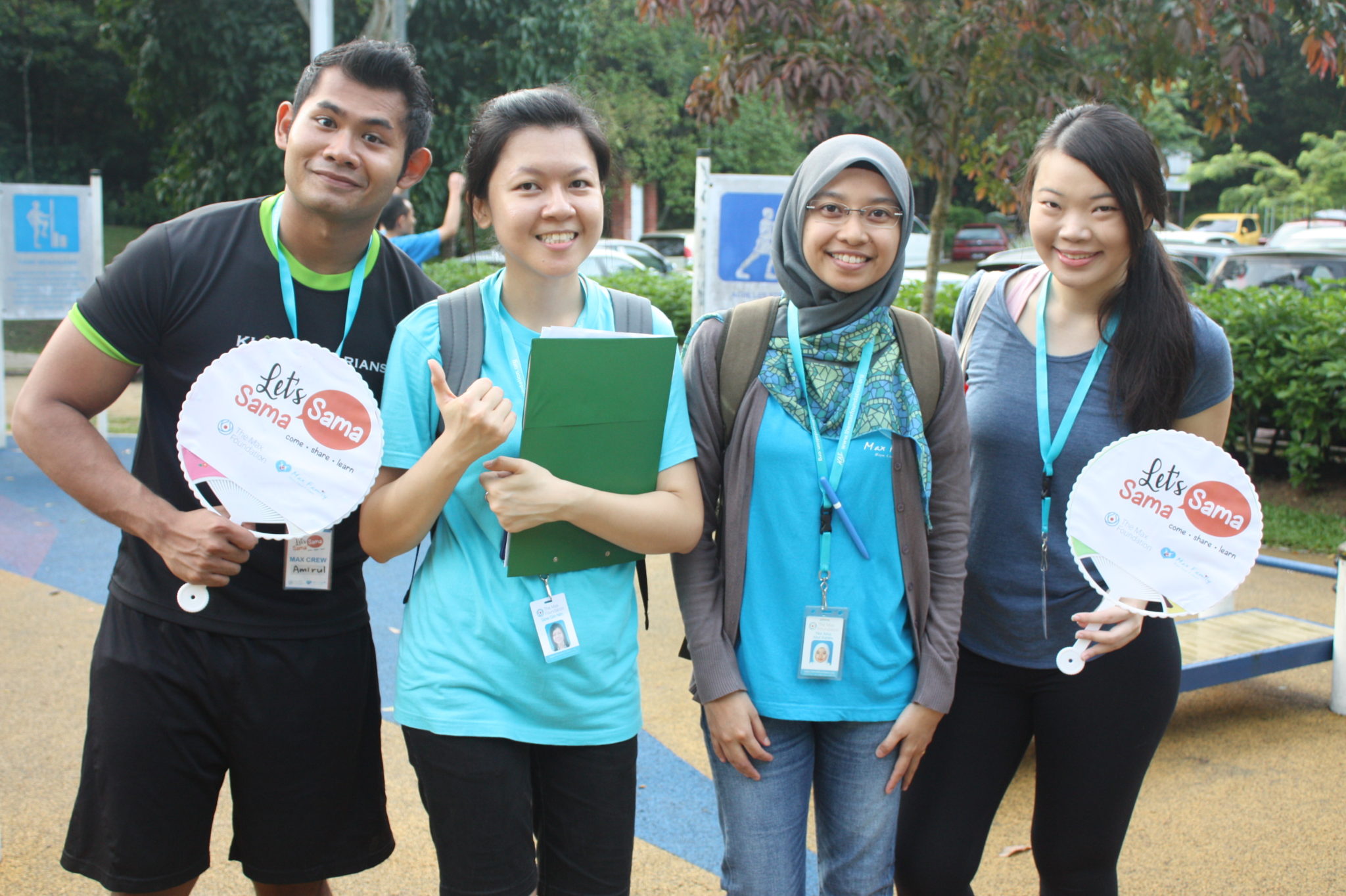
Last Sunday, we organised our very first “Let’s Sama-Sama” gathering in a nearby park. The sun was shining brightly (personally, I prefer sweat rolling down my cheeks!) and around 60 people turned up, 40 of them were patients and caregivers. For this event, we prioritise newly-diagnosed patients (those diagnosed within the last 18 months.)
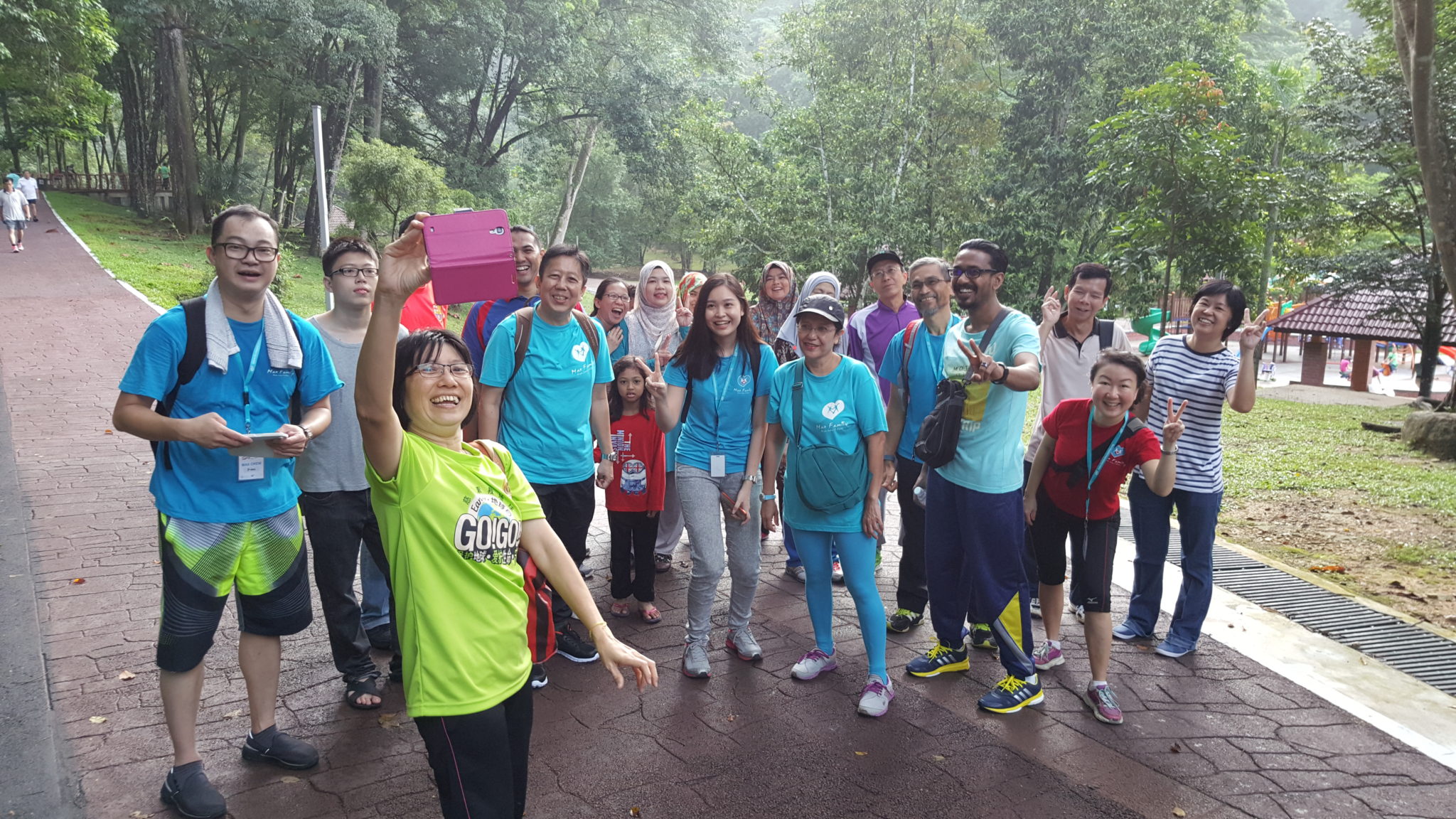
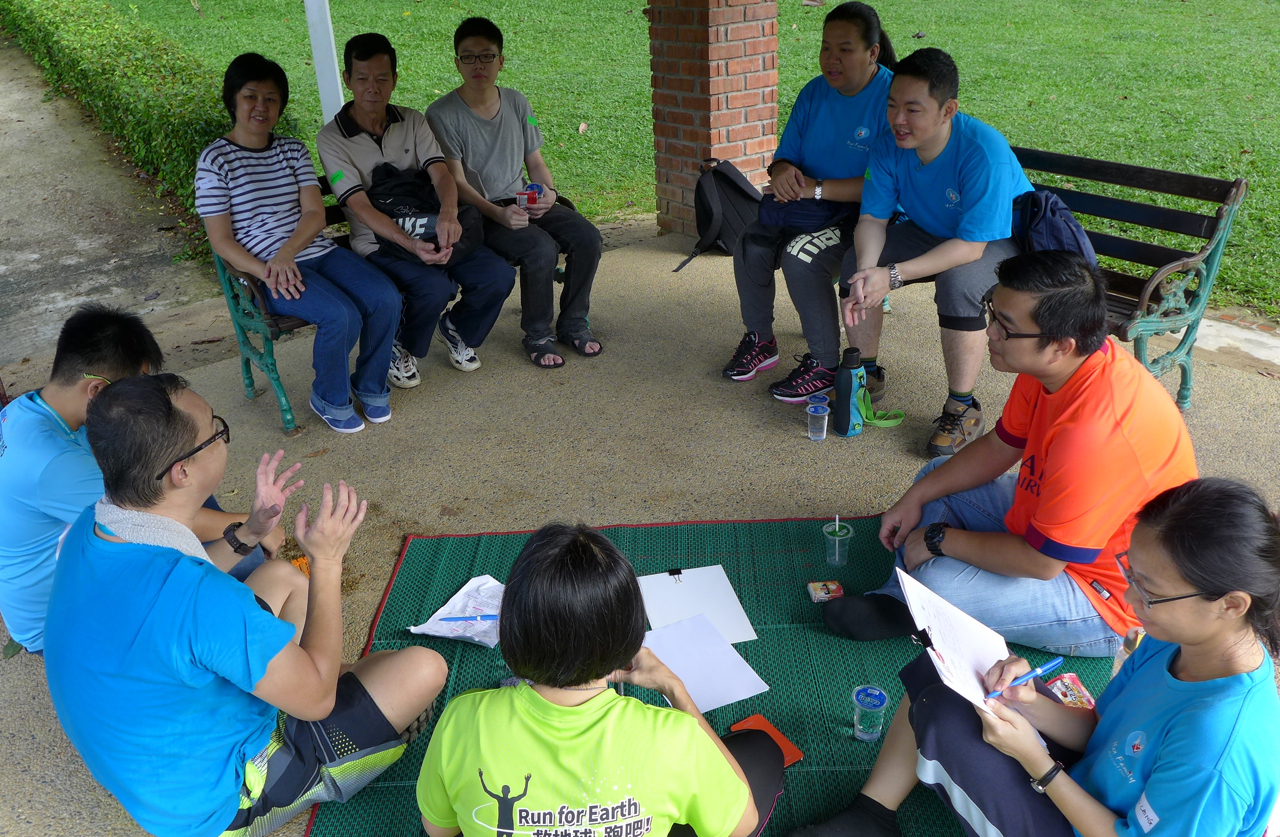
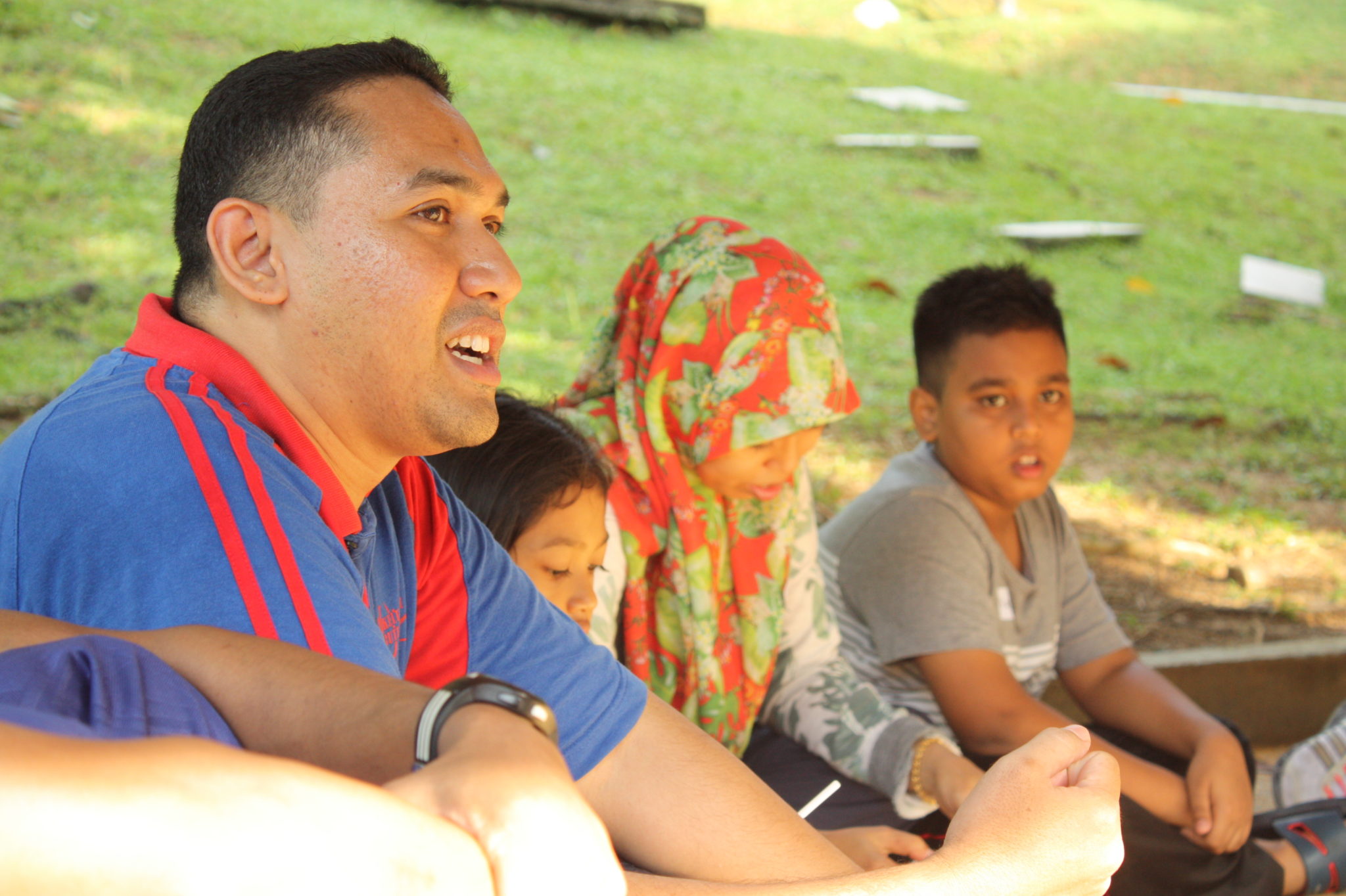
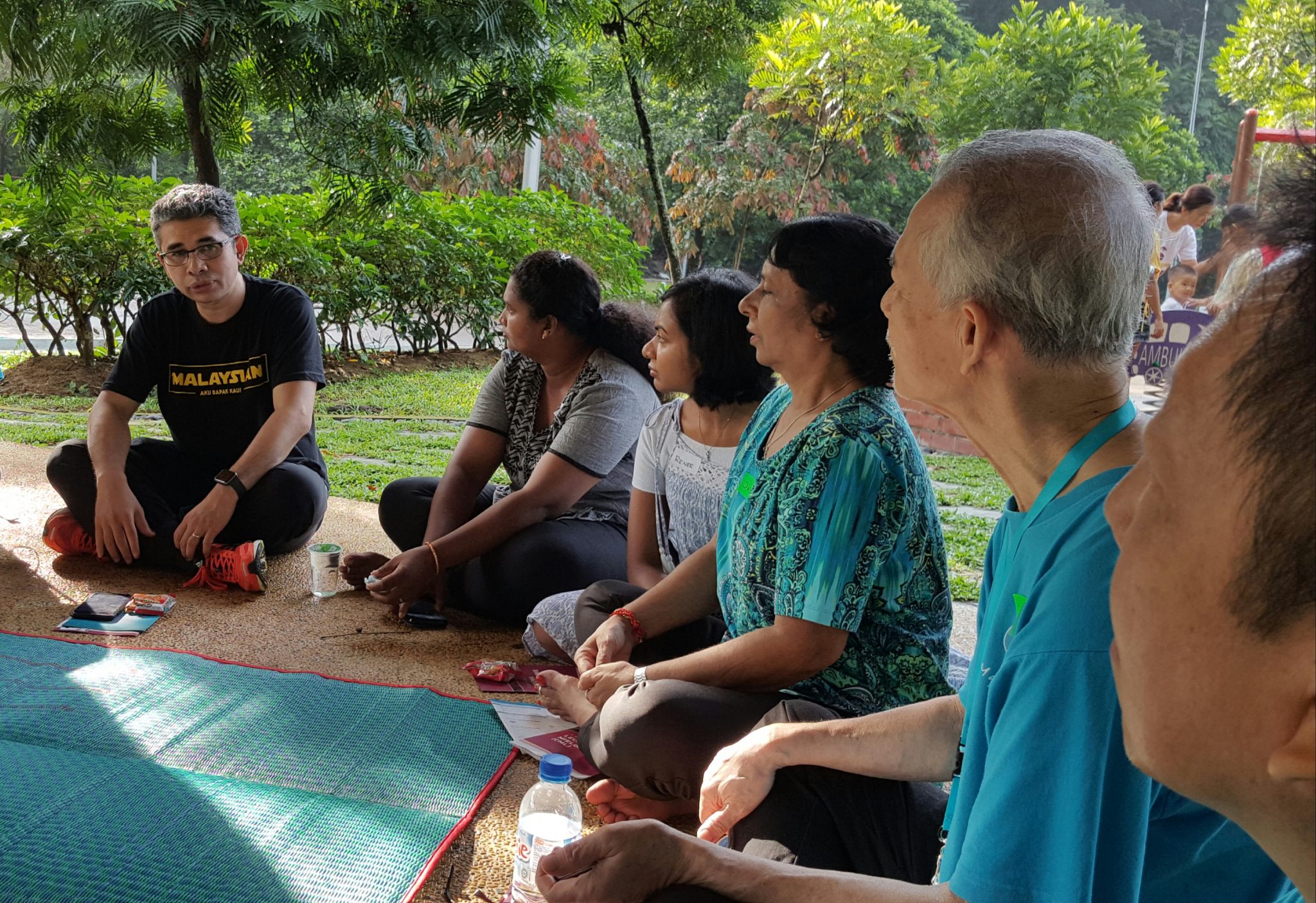
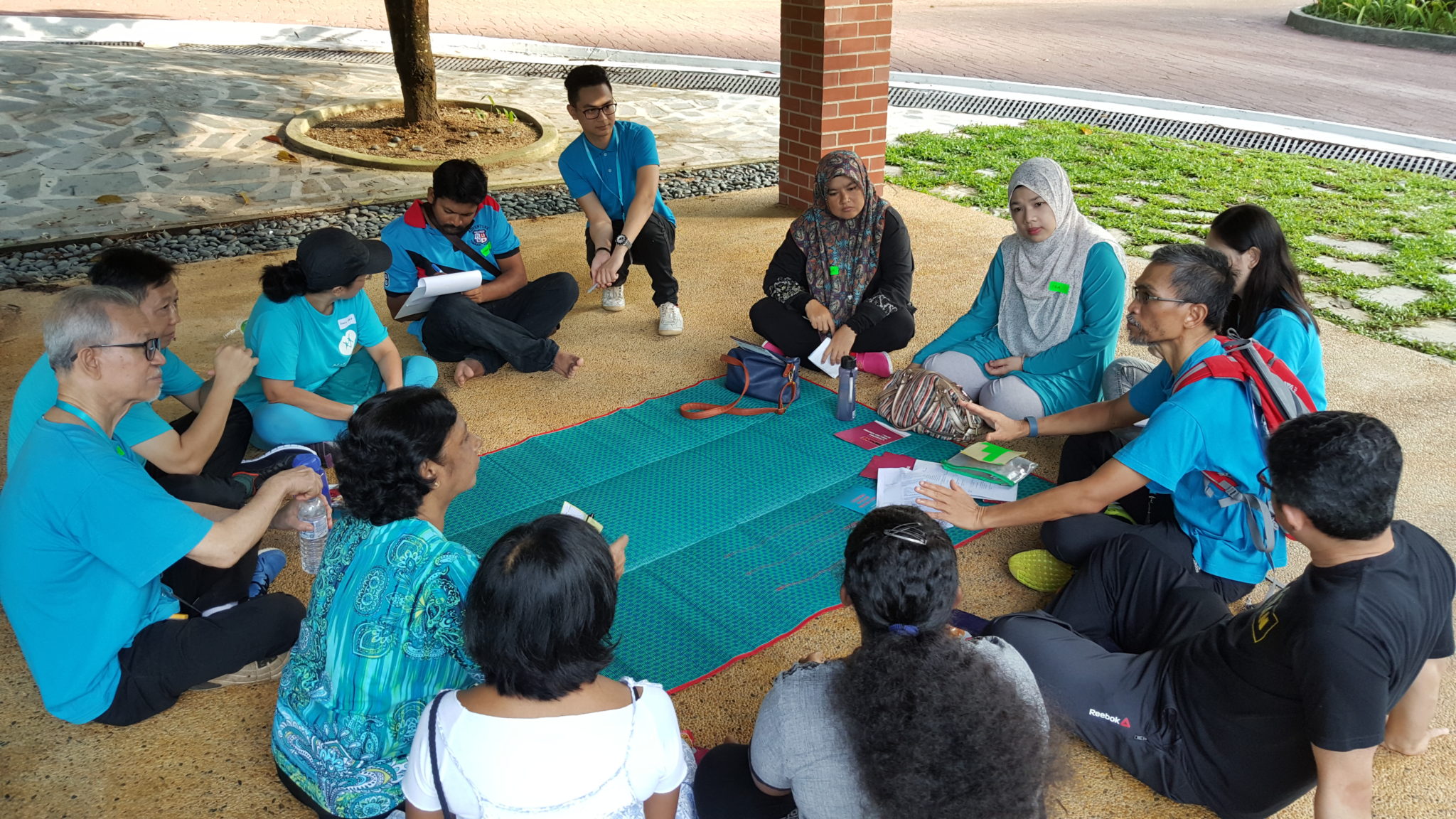
With the goal of a more casual and intimate gathering, we started the day with a brisk walk – all the patients, volunteers, and even our doctors walked together early in the morning. People were already talking, making jokes, and even taking selfies! The day continued with us splitting into groups, each led by a facilitator (Max Family Core Member) and doctor, and all joined in discussion.
I was surprised to see how much honesty can be revealed once you have established connection with each other. A new patient shared his struggles when he was first diagnosed about 4 months ago.
“I did not tell my wife and my mother about the diagnosis, I did not want to make them worried. I also need to adapt to my new lifestyle. I do not go to the gym now as frequent as before, I was advised to have a lot of rest.”
As I was listening to his story, I could see he did not stop smiling. His story did not emanate negative vibes at all, he was so optimistic and open. His story encouraged other participants to share their experiences. Somehow it empowered all of our struggles – the patients realized they were not alone. This allowed for each of them to share their own battles with the group.
“Let’s Sama-Sama” created a safe and conducive environment for our community to open up.
What’s more powerful than learning about our patients through hearing their stories?
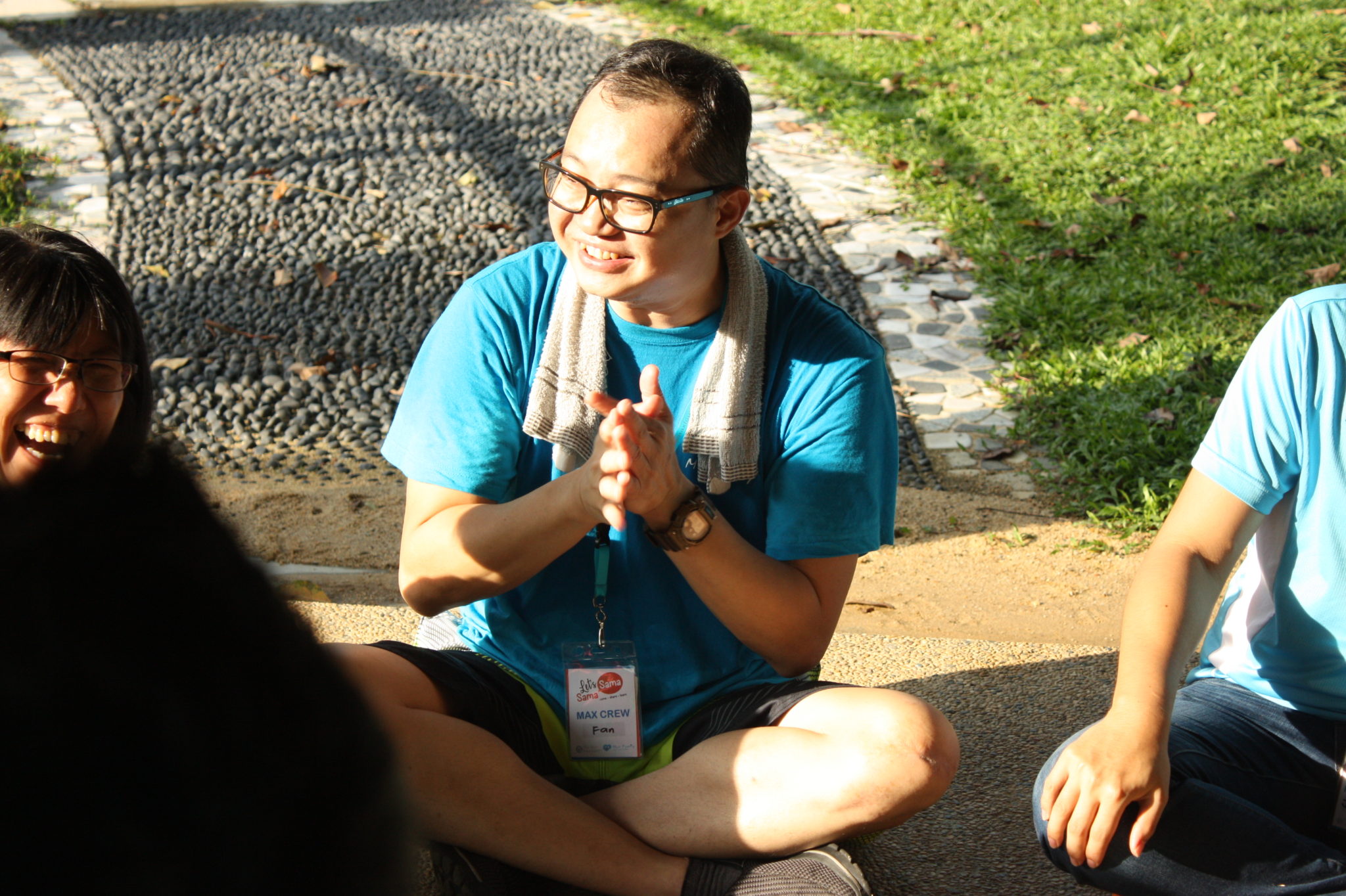
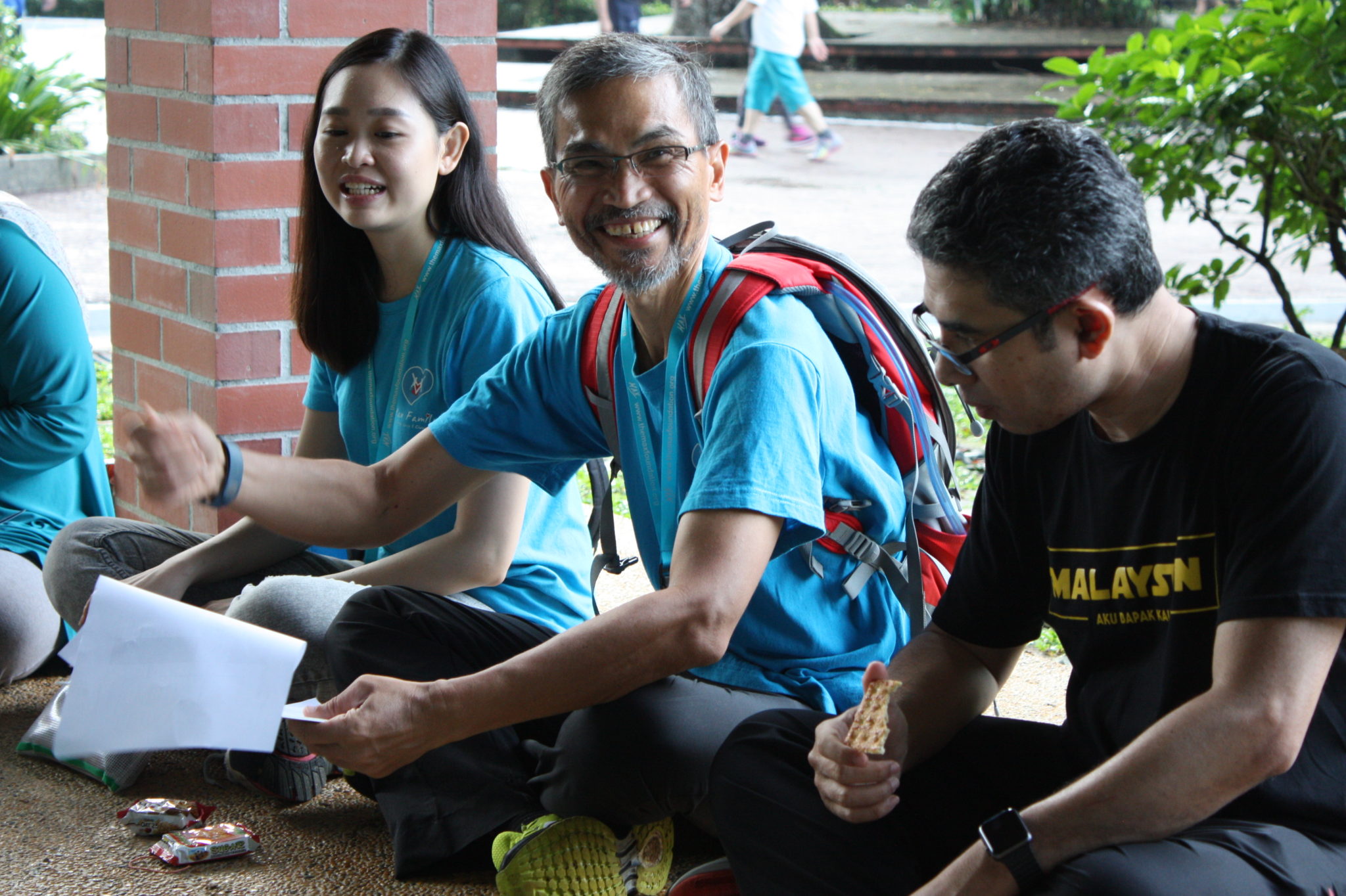
Ironically, I haven’t seen the patients laugh so much before. It was wonderful to capture their joy. They were so courageous, not only to coming to terms with their diagnosis, but taking a step forward: To be inspired and inspiring others.