
Living with cancer and hope in Paraguay
In 2008, Osbaldo was diagnosed with chronic myeloid leukemia (CML) at the young age of 24. Osbaldo shares his journey accessing treatment.


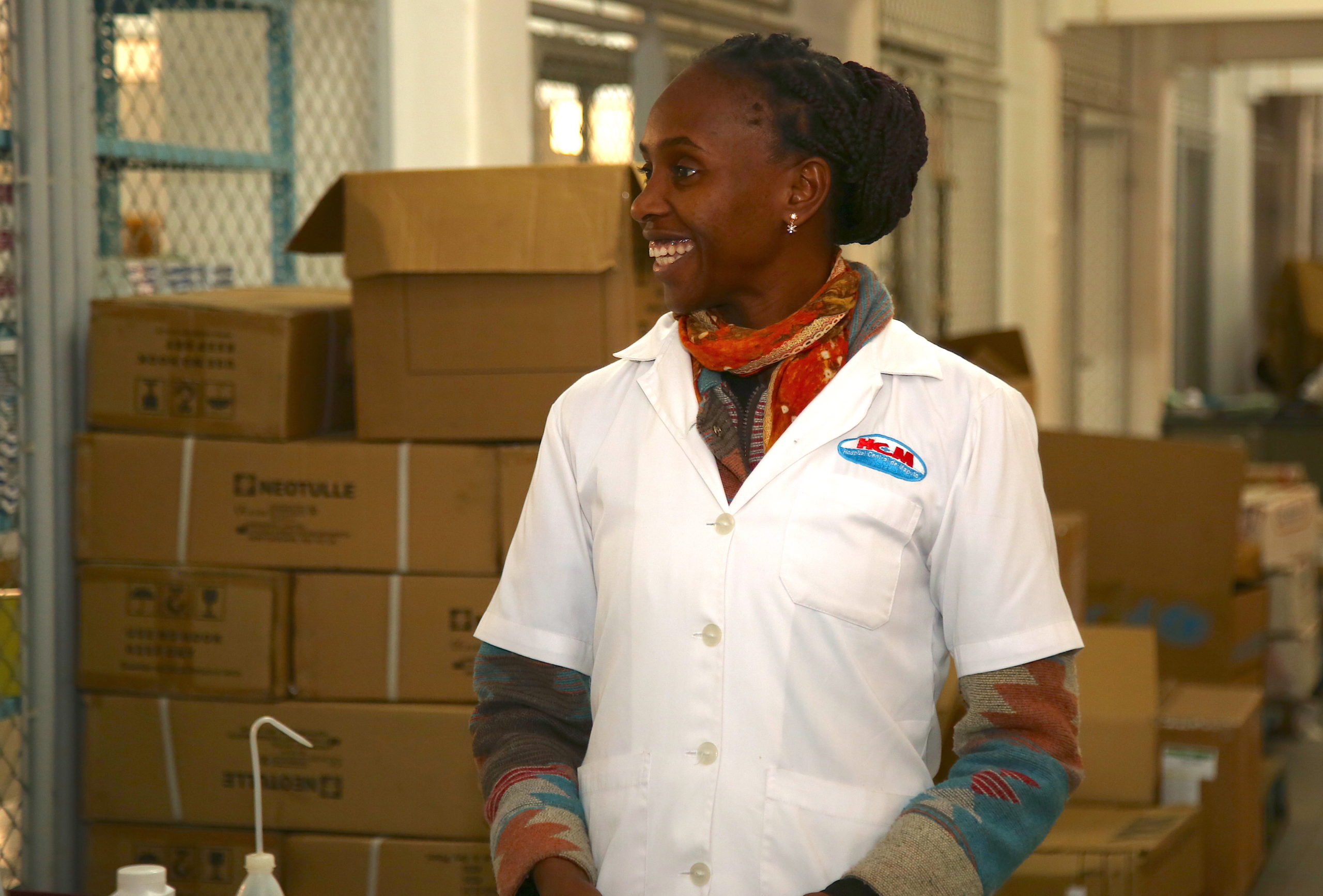
When a doctor requests treatment for a patient in an out-of-reach country, my job is to ensure medicine gets to that patient. Multiply this by 30,000 patients across 70+ countries, and our supply chain becomes a complex system of forecasting demand, requesting donations, shipping medicines, tracking product and confirming deliveries at each destination.
I recently spoke at the ReConnect 2021 conference, along with my colleague Michael Wrigglesworth, Senior Director of Program Strategy and Data Solutions, about how The Max Foundation connects supply chain and technology. It was an opportunity to share how our unique patient-centric model is supported by our supply chain activities that increase global access to treatment.
The two-day event featured speakers from diverse organizations, including other NGOs, such as VillageReach discussing drone delivery of medicines, and industry, such as logistics provider Expeditors International. Our presentation was entitled “Medicine Distribution in Low- and Middle-Income Countries: Technologies and Supply Chains” and was moderated by Dr. Surya Pathak, professor at the University of Washington School of Business.
The well-organized conference enabled us to provide some practical examples of how our Patient Access Tracking System is enhancing processes to make our supply chain more data-driven. Through interconnected technology, we’re able to successfully track stocks of medicine and forecast for future deliveries, all to get medicine into the hands of those in need. Particularly over the past 18 months of the global pandemic, we have remained resolute in our commitment to maximize our impact through innovation and collaboration.
The Max Foundation is a leading global health nonprofit organization dedicated to accelerating health equity. For 28 years, Max has pioneered practical, scalable, high-quality solutions to bring life-extending treatments and patient-centered health care to more than 100,000 people living with cancer and critical illness in low- and middle-income countries. Max believes in a world where all people can access high-impact medicines, where geography is not destiny, and where everyone can strive for health with dignity and with hope.
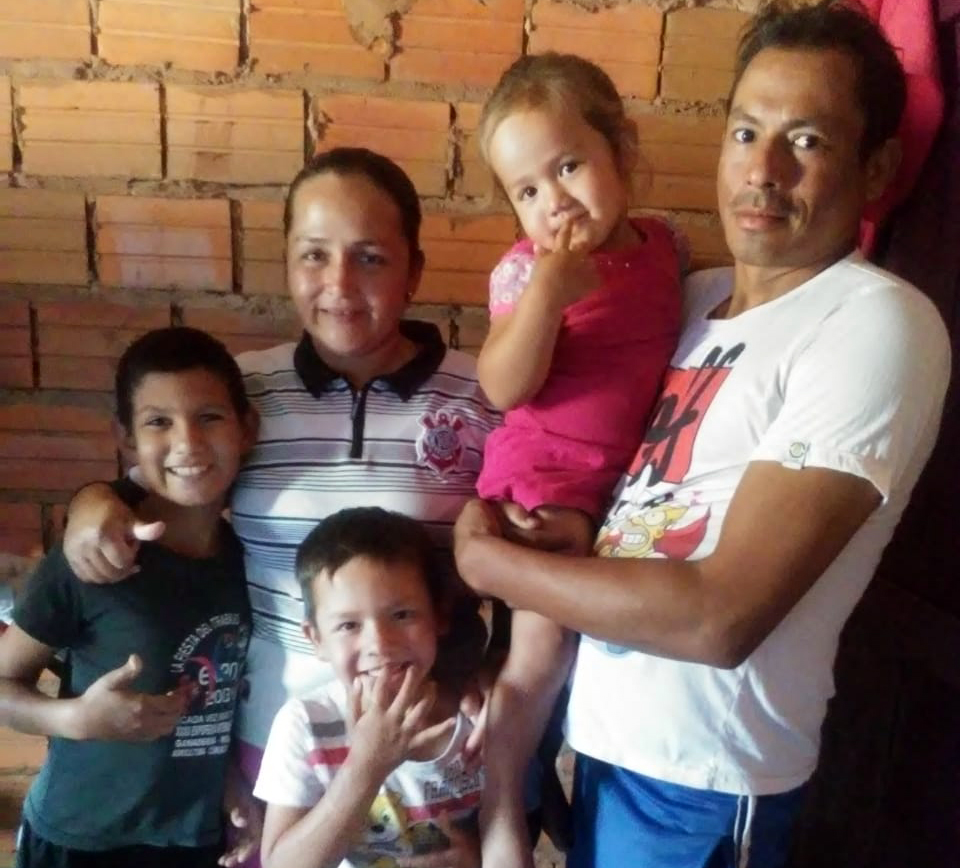
In 2008, Osbaldo was diagnosed with chronic myeloid leukemia (CML) at the young age of 24. Osbaldo shares his journey accessing treatment.
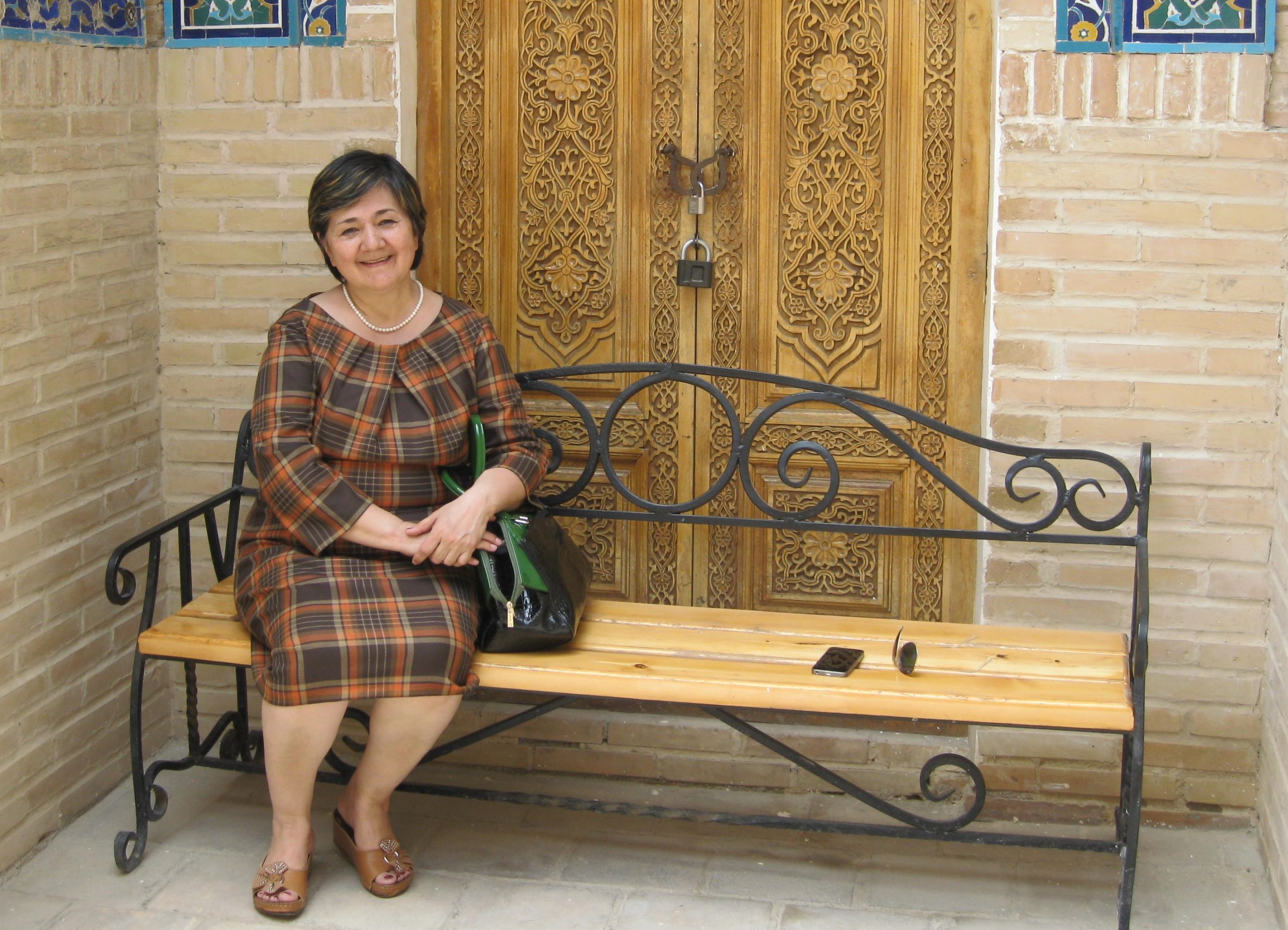
At The Max Foundation, I am reminded every day of the critical role our physician partners play in saving the lives of thousands of cancer patients worldwide. Dr. Kazakbaeva from Uzbekistan is a shining example of a physician who goes above and beyond for people facing cancer.
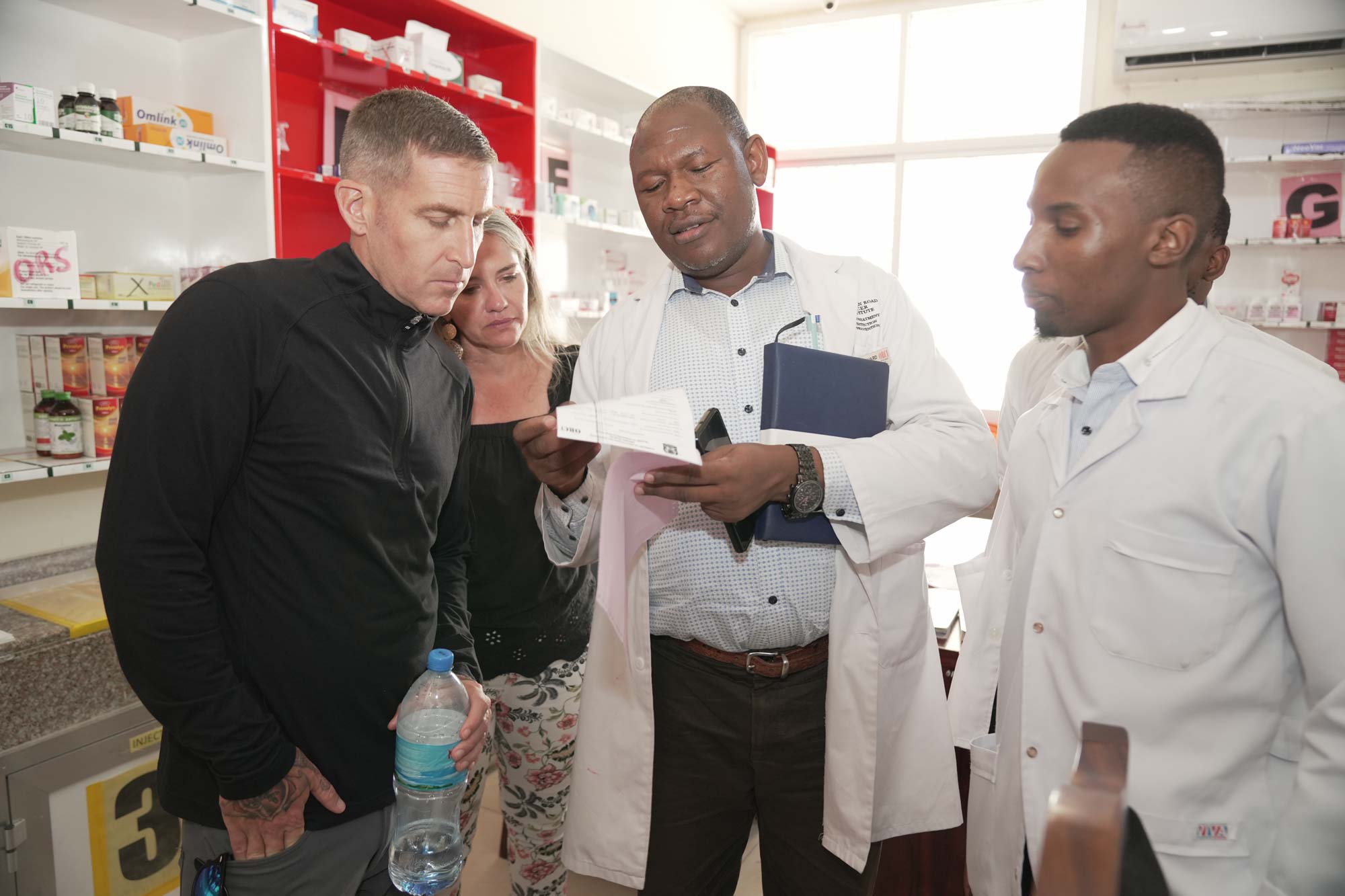
Get a never before seen look at the chronic myeloid leukemia (CML) program in Tanzania! Over 20 years ago, we partnered with local healthcare professionals to provide treatment access for people living with cancer – at no cost to them, for as long as they need it. Africa Region Head Cathy Scheepers takes you to….