This year, we’re celebrating 25 years of partnership with Novartis. Together, we’ve provided access to treatment for more than 100,00 people living with cancer in low- and middle-income countries.
Below, eight patients from four locations where we operate share their stories. They talk about how they were diagnosed, the impact of having treatment, and what’s possible now that they feel better.
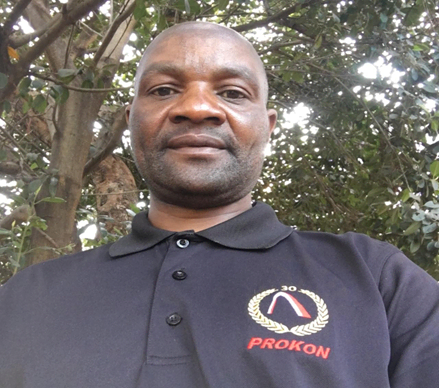
For people living with cancer, a support system is an essential part of the treatment process. Mabhiza from Zimbabwe said someone from a patient group changed his journey entirely.
It started in 2017, when he began experiencing troubling symptoms like nosebleeds, insomnia, and headaches. Initial blood tests were inconclusive. However, in 2018, he met with a doctor from Nigeria who diagnosed him with chronic myeloid leukemia (CML).
That doctor connected Mabhiza with Onward, who is also living with CML. Onward is one of four founding members of the CML Zimbabwe Trust. They provide support, comfort, and education for patients.
“I began communicating with Brother Onward, who promptly advised me to return to Zimbabwe to commence medication,” he said. “By 6 June 2019, I started taking [medication], and I have been on this medication consistently ever since.”
Mabhiza is grateful for the support from Onward, his medical team, and The Max Foundation. Part of his treatment includes transportation grants from our Last Mile program, which allow him to attend medical reviews every three months.
“I am pleased to share that I am now living a normal, healthy life—something I once feared I would never experience again,” he said. “With the support of The Max Foundation, I feel empowered and truly cared for.”
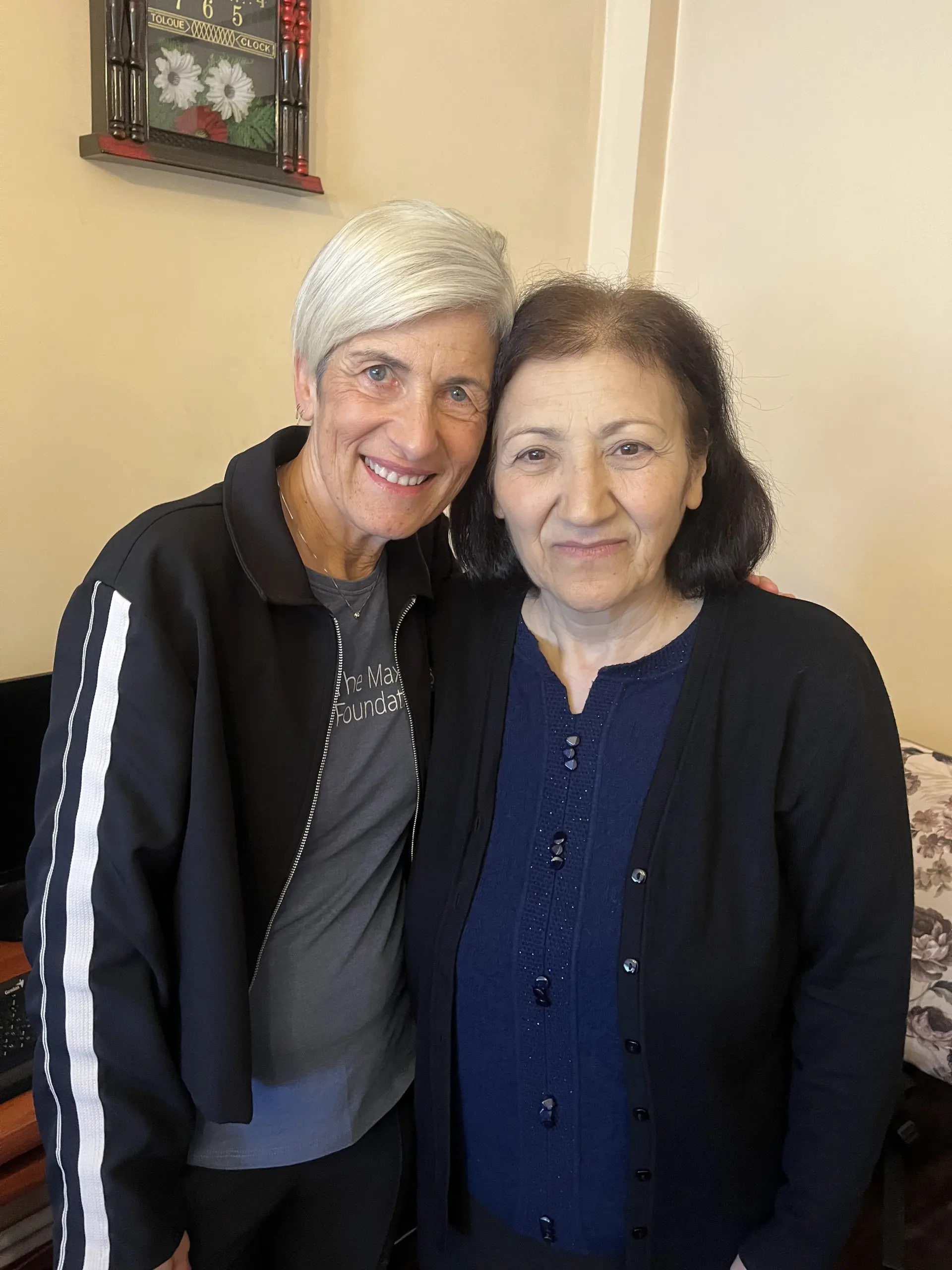
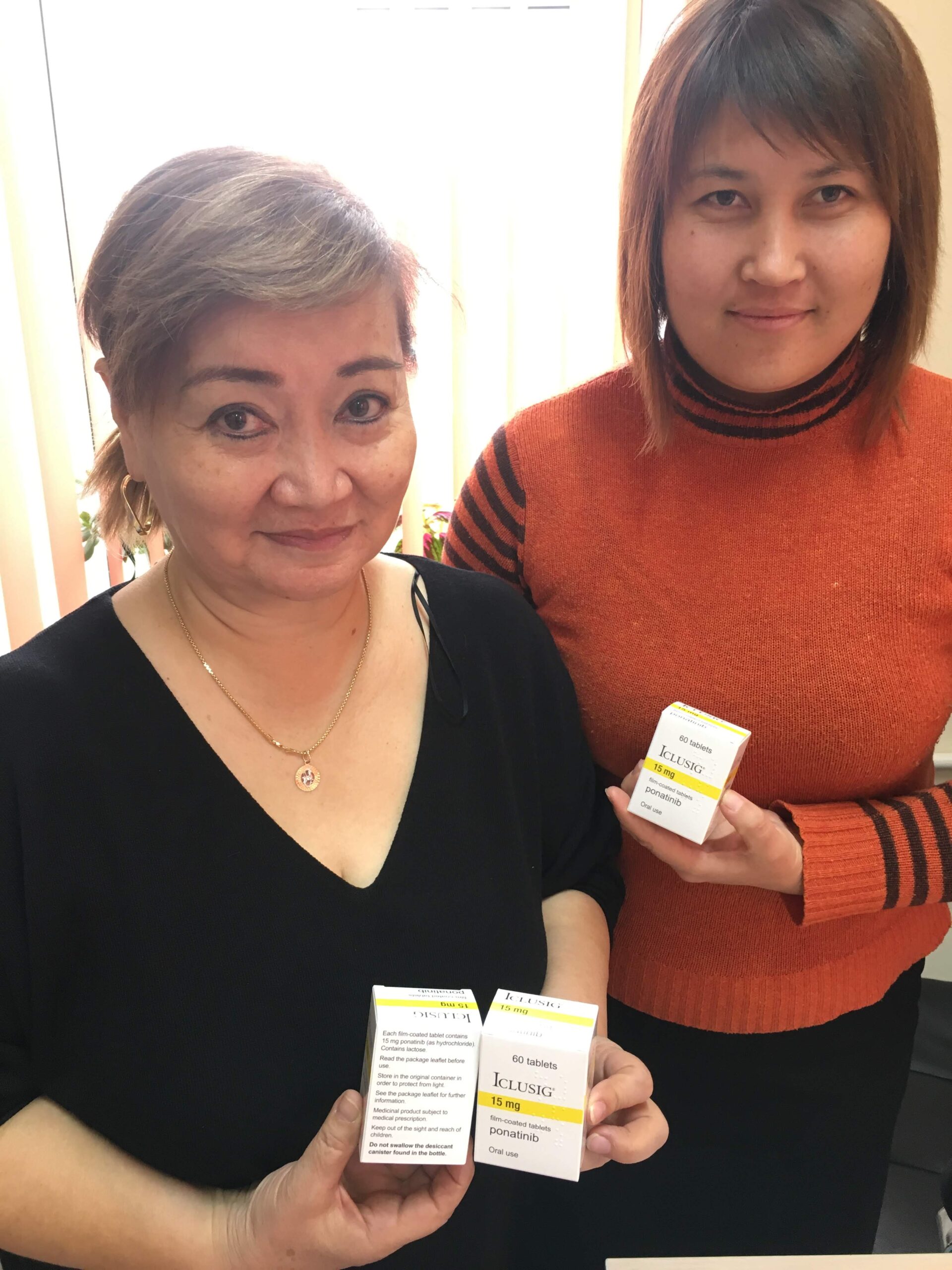
At 41, Susanna was living a quiet life surrounded by her family when persistent fatigue, fever, and night sweats began to disrupt her everyday routine. She was referred to a hospital in the capital of Yerevan, where she received an unexpected diagnosis of CML.
In 2004, Susanna learned about The Max Foundation and was enrolled in a program that gave her access to the treatment she needed. For more than 15 years, her condition remained stable, allowing her to continue building a life with her family and focusing on the people and plans that mattered most to her.
Over time, however, routine test results began to change. She moved through several treatment options, but achieving the same level of stability became increasingly difficult. With limited options available locally, Susanna and her family faced growing uncertainty about what could come next.
During a home visit in 2025, we had the opportunity to hear those concerns directly from Susanna and her family. Her care team continued monitoring her condition while they waited for another treatment option to become available.
With support from Novartis, that option eventually became accessible.
For Susanna, having a different Novartis medication meant more than a change in care. It restored a sense of possibility at a time when her options had seemed increasingly limited. Today, she continues her treatment with renewed hope for what lies ahead.
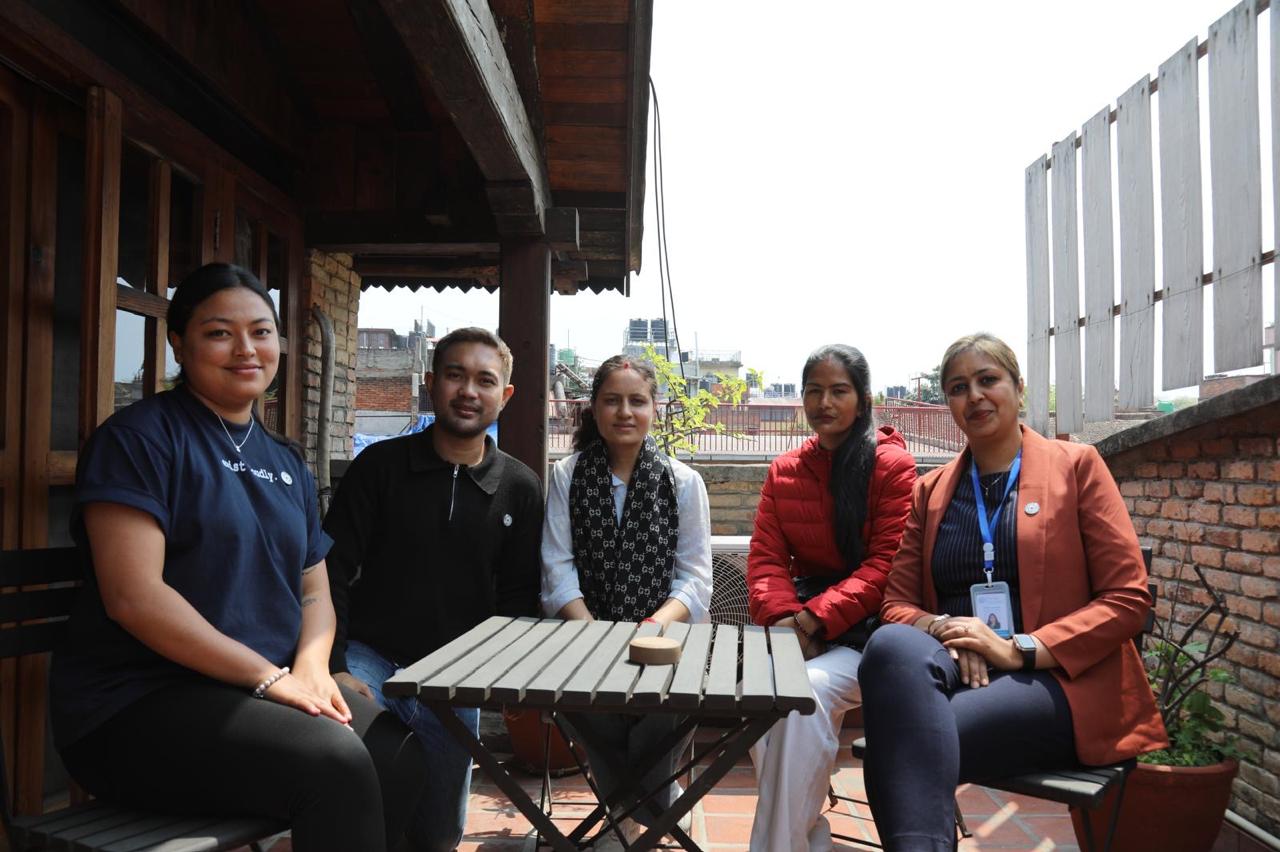
Balancing Life and Breast Cancer Sharmila and Surya, Nepal
For Sharmila and Surya, living with breast cancer means managing treatment alongside the responsibilities, relationships, and routines of everyday life.
Sharmila, 30, was diagnosed with breast cancer in July 2025 after experiencing persistent pain. Her husband works in Malaysia, while she lives in Nepal and manages daily life in a rented home with her two children and her sister. Throughout her treatment, her sister-in-law has been an important source of support, helping care for the children and accompanying Sharmila to appointments at Patan Hospital.
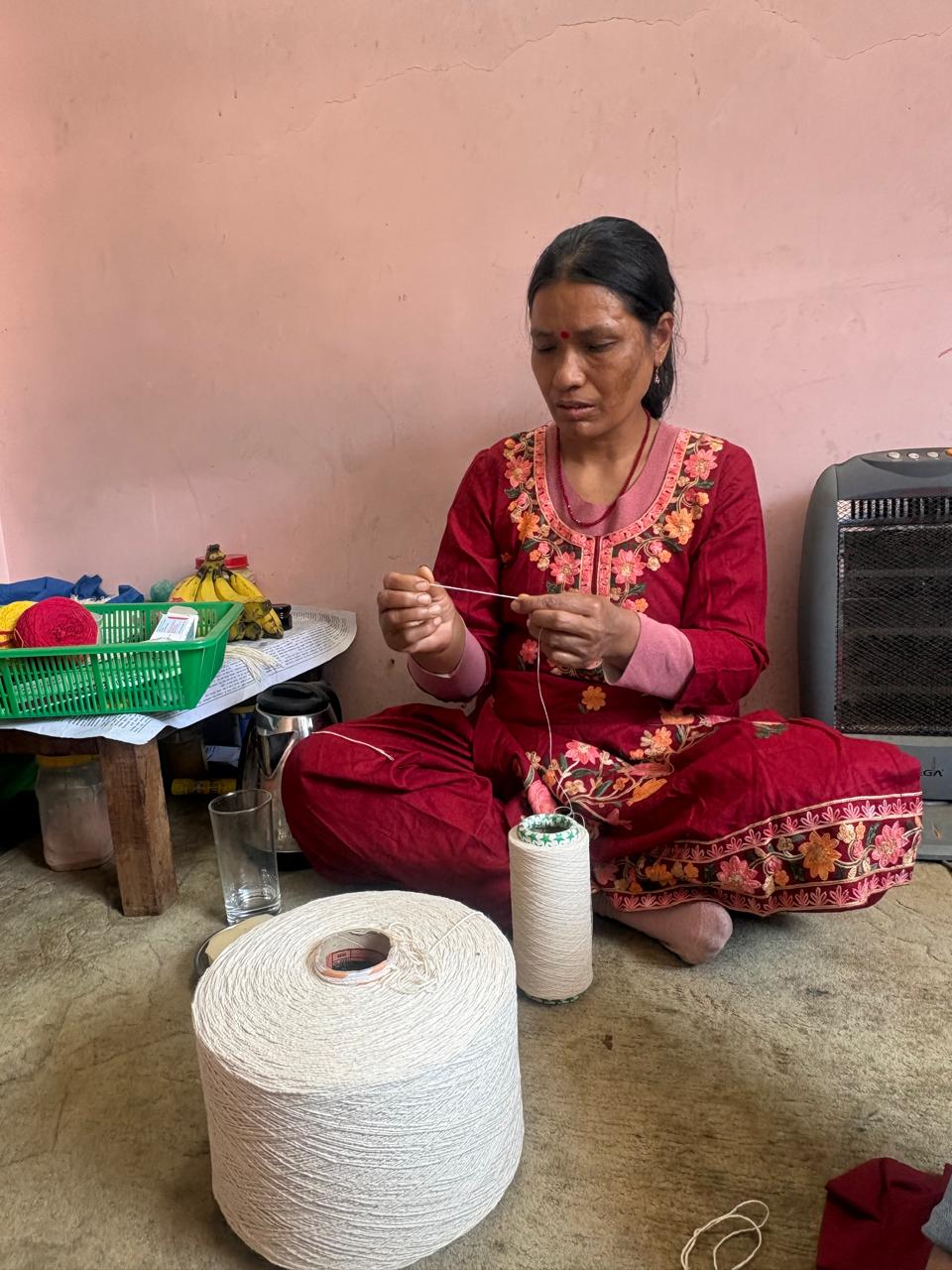
Surya, 45, was diagnosed in 2023 after a series of symptoms and medical tests led doctors to identify breast cancer. She underwent surgery and chemotherapy before being referred to Patan Hospital. At home in Bhaktapur, she spends some of her free time making batti, traditional cotton wicks used during prayer, while staying connected to her family and community.
Both women receive treatment through our program at Patan Hospital. Surya shared that for patients who previously could not afford these medicines, the program has been life changing. It has made support possible without placing an impossible financial burden on their families and has helped them experience a better quality of life.
For Sharmila and Surya, reliable access to treatment means being able to focus more fully on their health, their families, and the everyday lives they continue to lead.
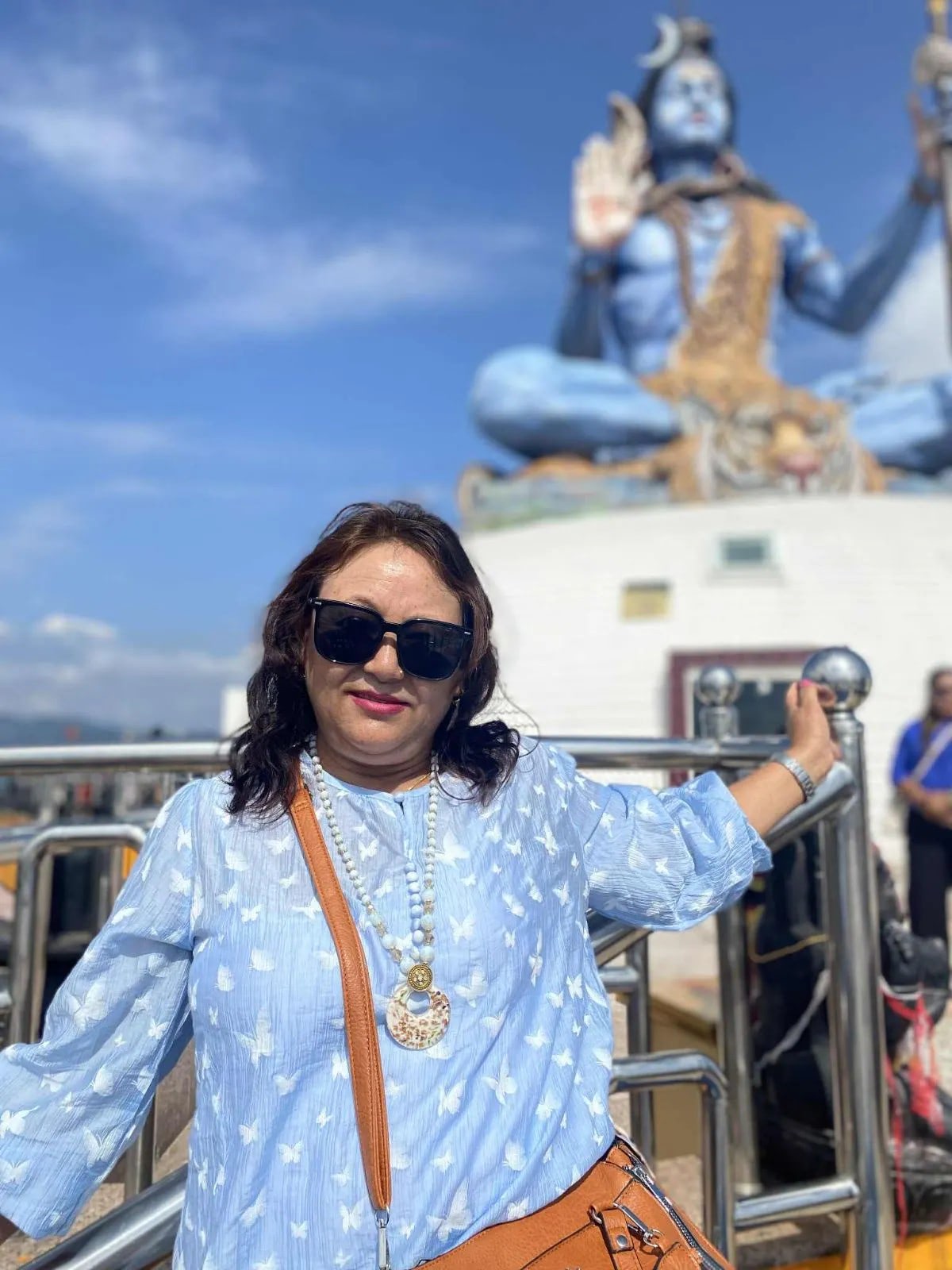
In 2016, Trisna noticed pain and a mark on her breast. She told her husband, who encouraged her to see a doctor, but discomfort and embarrassment made her hesitant to seek care. Because the pain came and went, she continued with everyday life.
Nearly three years later, her symptoms became impossible to ignore. Testing eventually confirmed breast cancer, and Trisna began chemotherapy followed by surgery at Patan Hospital.
Alongside the uncertainty of treatment came another concern: how her family would manage the cost of the medicines she needed. Her physician later told her about treatment available through The Max Foundation and its partnership with Novartis.
The support eased a significant financial concern for Trisna and her family. She later began receiving additional assistance through our Last Mile program, which allows her to pay for travel to the hospital independently rather than asking her son to miss college to accompany her.
“I want to thank Novartis from the deepest core of my heart for saving so many lives with these medicines and The Max Foundation for providing the extra support, which really means a lot to the whole family,” she said.
Her experience has also shaped the advice she now shares with others, “Don’t wait, don’t hesitate. Timely and early detection matters.”
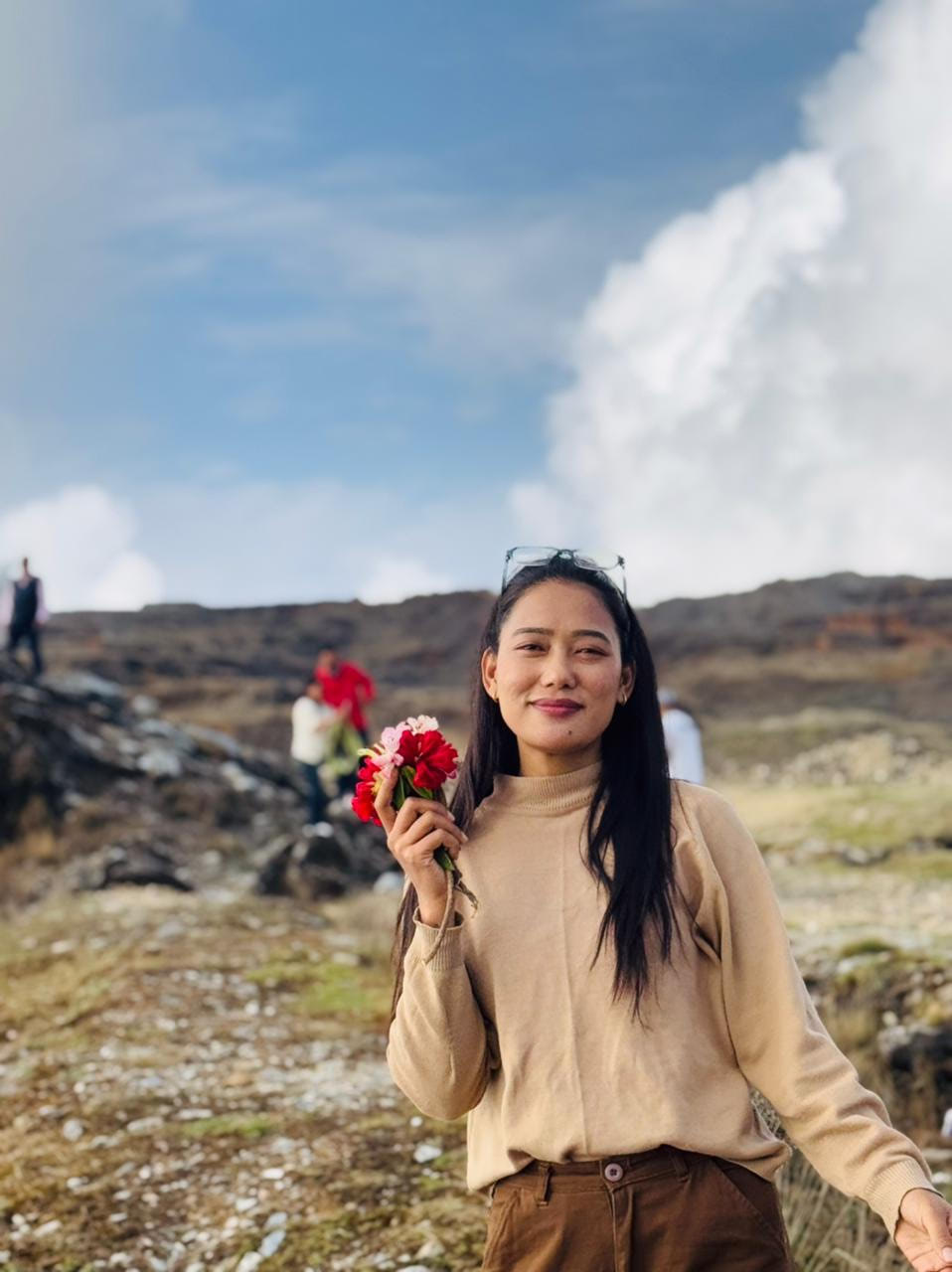
Sapana’s search for answers began when she was a student.
“I had fever and weakness for years, but no one could diagnose my condition,” she said.
At one point, Sapana received treatment for another suspected illness, but her health did not improve and her blood levels continued to fall. Despite the uncertainty, she continued her education and remained focused on building a future for herself.
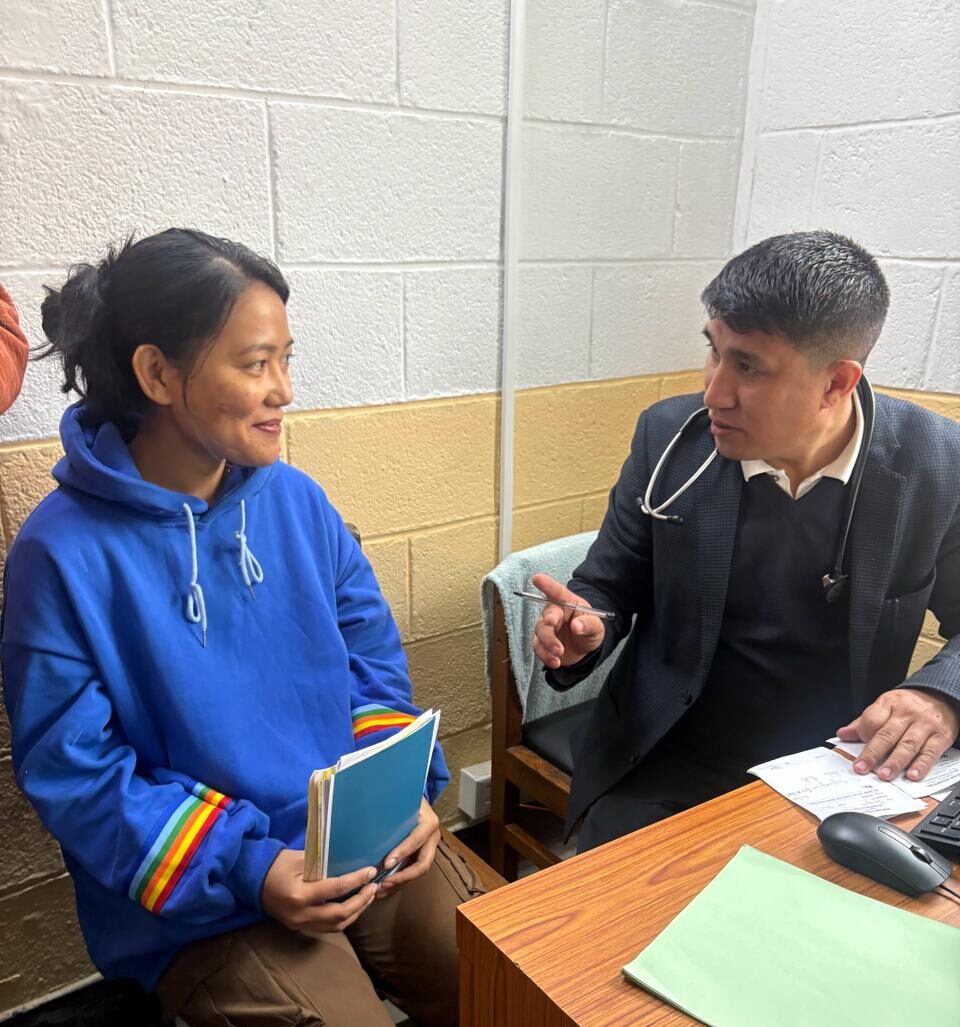
Eventually, she was diagnosed with paroxysmal nocturnal hemoglobinuria (PNH), a rare blood disorder. Under the care of Dr. Mipsang Lama, Sapana finally had a clearer understanding of her condition and a path forward.
Access to treatment has brought something that was difficult to imagine during years of unanswered questions: greater stability and the ability to look ahead. She can focus on her work, her plans, and the everyday life she continued working toward throughout her journey
“Now I am working as an accountant, and my health is improving,” Sapana said. “I feel more stable and hopeful.”
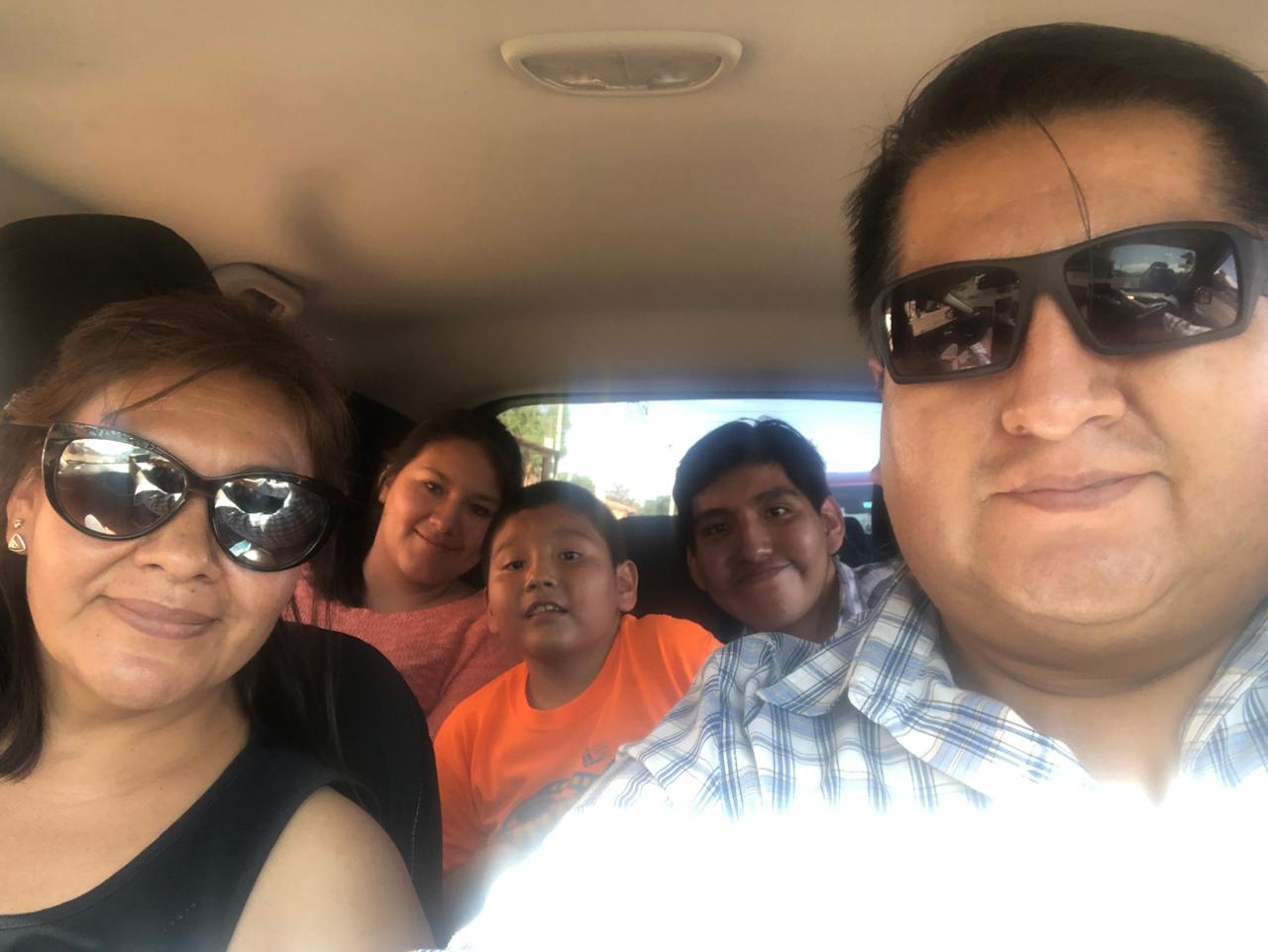
Víctor, 52, loves music, singing, and playing musical instruments. He is a devoted husband and father of four and has worked as an air traffic controller for approximately 25 years.
In 2013, his life changed when he was diagnosed with CML. After several months of uncertainty, the diagnosis brought fear, profound changes to his personal and social life, and periods of depression that tested his strength.
A few months later, in February 2014, he enrolled in our program, where he has gained access to the medicine he needs. Since then, with the support of his family, his treating physician, and everyone who accompanied him throughout his journey, he found the strength to move forward.
Over the years, he learned to live with the disease, transforming uncertainty into resilience, strengthening his faith, and developing a deeper appreciation for life.
For Víctor, access to his treatment means being able to continue supporting and being with his family, keep working, and maintain hope. He also receives educational support, a valuable resource that helps him better understand his disease.
“As a patient representative of the Esperanza Nueva Association, I have found a purpose in helping other people who receive this diagnosis,” he said. “I try to guide newly diagnosed patients, share my experience, and accompany them on a journey that can often seem difficult and lonely. Today, more than a decade after my diagnosis, I am still fighting, still learning, and still grateful to all the people who make it possible for patients like me to have the opportunity to continue living with hope.”
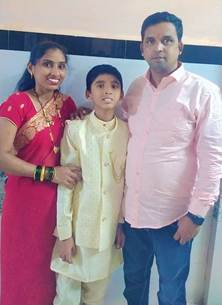
When Rupali was diagnosed with gastrointestinal stromal tumor (GIST) in 2013, she was only 22 years old and had recently welcomed her first child. What should have been one of the happiest chapters of her life suddenly became a struggle with a life-threatening illness.
As a young mother, Rupali’s greatest fear was not for herself, but for her infant son. During treatment, she had to spend time away from him, and the thought of not being there to watch him grow weighed heavily on her heart. With mounting medical concerns and financial hardship adding to the burden, the future seemed uncertain.
“I was afraid. On one side there was fear, and on the other side I kept thinking about my son,” she said. “I kept wondering how things would work out and what would happen in the future.”
Because she had recently undergone a caesarean delivery, surgery was not immediately possible. Instead, doctors gave her medicine to shrink the tumor. Month after month, the tumor responded, reducing in size from 13 mm to 7 mm and then to 5 mm, eventually making surgery possible in November 2014.
Through every setback and every small victory, Rupali found strength in the support of her husband, family, The Max Foundation, and Friends of Max. Together, they helped her navigate one of the most challenging periods of her life.
Today, more than a decade later, Rupali is doing well and continues her treatment with hope and determination. Her son, once the baby she worried so much about, is now in the 7th grade and receives educational support through Project Shiksha (Max Schooling), funded by Friends of Max.
Looking back, Rupali sees not fear, but possibility. Her story is a powerful reminder that behind every diagnosis is a family fighting for a future. With timely treatment, a strong support system, and unwavering determination, that future can be filled with hope, strength, and new beginnings.
“Life is beautiful now. I don’t feel like I am sick at all,” Rupali said.
The Max Foundation is a leading global health nonprofit organization dedicated to accelerating health equity. For 28 years, Max has pioneered practical, scalable, high-quality solutions to bring life-extending treatments and patient-centered health care to more than 100,000 people living with cancer and critical illness in low- and middle-income countries. Max believes in a world where all people can access high-impact medicines, where geography is not destiny, and where everyone can strive for health with dignity and with hope.
Related Articles
The Legacy of Dr. Bayzakova
Today we remember Dr. Damira Bayzakova, a CML specialist and cancer advocate from Kyrgyzstan who passed away on November 16th 2020, due to complications with COVID-19. Dr. Bayzakova was an implementing partner for The Max Foundation since 2006, and was monumental in bringing life-saving treatment and cancer diagnostics into Kyrgyzstan. Dr. Bayzakova’s efforts to expand….
Max CEO’s Ongoing Commitment to Treatment Access Solutions Recognized by iCMLf ERSAP Prize
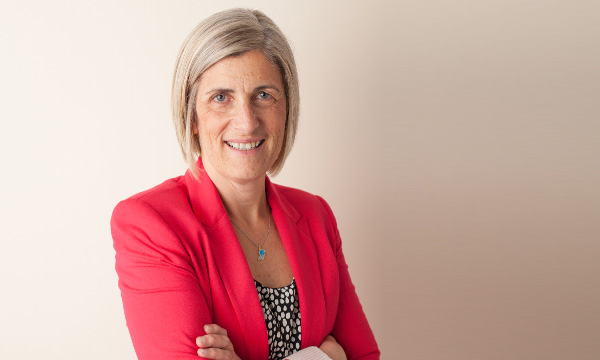
We’re often reminded of why we put an effort in supporting people facing cancer – whether it comes through a patient story or through an organization’s investment in our work. This week, we humbly received another reminder: on Friday, May 22, the International Chronic Myeloid Leukemia (CML) Foundation awarded our CEO Pat Garcia-Gonzalez with the inaugural ERSAP (Emerging Region Support and Partnership) Prize. The iCMLf Directors and Scientific Advisors selected Pat because of her continued commitment, and The Max Foundation’s aim, to help people face cancer with dignity and hope.
Empowering Hope: A Physician’s Journey Transforming PNH Care
By Dr. Mipsang Lama Partner Physician at Patan Hospital in Nepal When Treatment Feels Like a Miracle Paroxysmal nocturnal hemoglobinuria (PNH) is a rare and devastating blood disorder. In many high-income countries, it is a condition with established treatment pathways. But in Nepal, for years, it was something we could diagnose, yet not truly treat…..
The Max Foundation uses cookies to improve your experience on our site. Please read our Privacy Policy for more information.