
Meet our COVID heroes
They’re patients, physicians, pharmacists, police officers, caregivers, and cancer care advocates stepping up to help vulnerable patients continue to have access to treatment throughout the global pandemic closures.


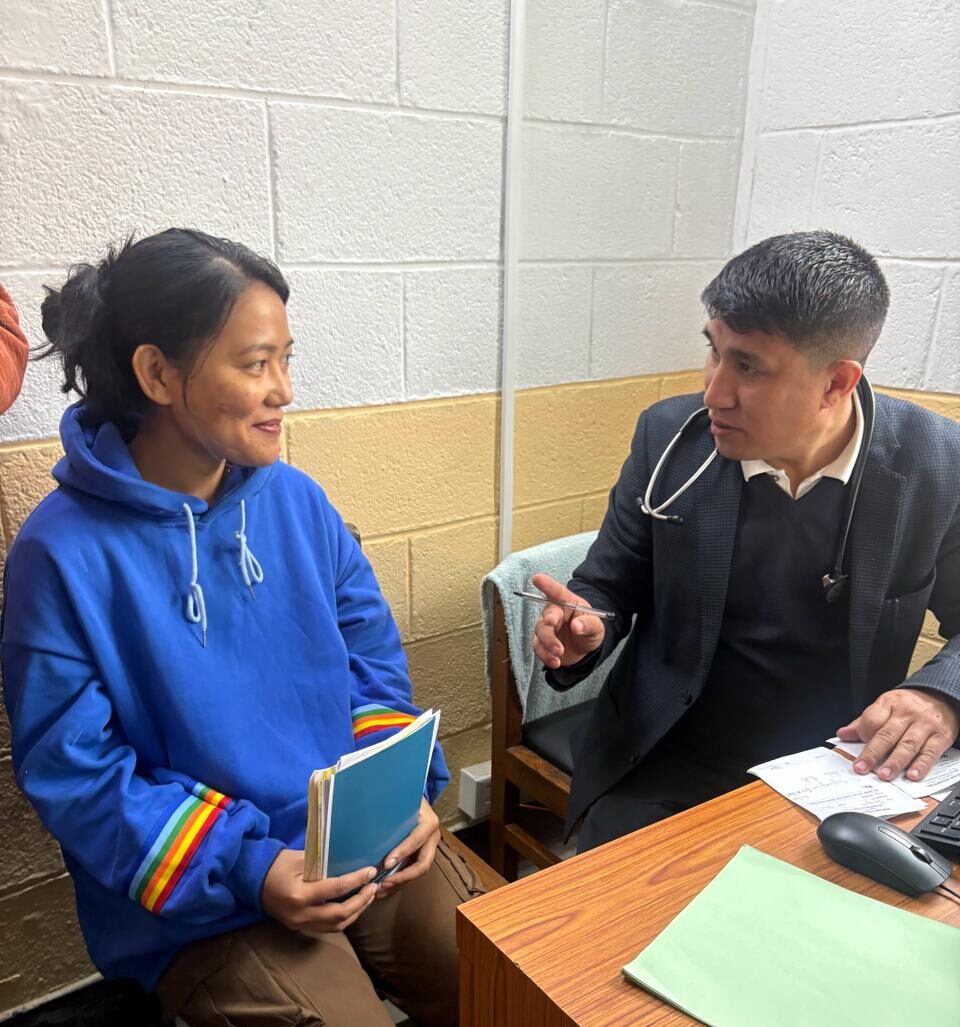
By Dr. Mipsang Lama
Partner Physician at Patan Hospital in Nepal
When Treatment Feels Like a Miracle
Paroxysmal nocturnal hemoglobinuria (PNH) is a rare and devastating blood disorder. In many high-income countries, it is a condition with established treatment pathways. But in Nepal, for years, it was something we could diagnose, yet not truly treat.
This has been a journey from helplessness to hope, from limitation to possibility, and from uncertainty to witnessing near-miracles in everyday clinical practice.
Living on the Edge: Treating Without Real Solutions
Before access to targeted therapies, our approach was purely symptomatic. We depended on repeated blood transfusions to manage dangerously low hemoglobin levels, along with iron chelation and folic acid supplementation. It was a delicate balance, often unsustainable and, at times, harmful in the long run.
Patients would arrive with critically low hemoglobin levels, the levels that, in other settings, would require urgent hospitalization. Their bodies carried the visible burden of disease, profound fatigue, jaundice, and a constant struggle to carry out even basic daily activities.
As a physician, the most difficult part was knowing what needed to be done, yet not being able to provide it. Many of these patients are young and often women who had not yet started families. I could offer temporary stabilization, but not a real solution. It felt like providing care without truly offering hope.
Building Bridges: Knowledge, Training, and Possibility
A turning point came through participation in international training programs provided by The Max Foundation and the International PNH Interest Group (IPIG). These programs did more than transfer knowledge; they built a bridge between limitation and possibility.
They provided a structured framework to better understand PNH and manage its complications, including infection prevention and long-term care. In regions where rare diseases are often underdiagnosed and misunderstood, such guidance is invaluable.
Training does more than inform, it empowers. It builds the capacity to recognize, diagnose, and eventually treat conditions that once seemed out of reach.
Rare diseases do not become less significant because resources are limited. The patients are still there, and their needs remain just as urgent.
A Breakthrough Moment: From Scarcity to Solution
When access to medication became possible, everything changed.
Within just one to three weeks of starting treatment, I began to see hemoglobin levels improve in ways that were both rapid and remarkable. Patients who had lived for years on the edge of survival suddenly showed visible, measurable recovery.
They felt stronger. They functioned better. Their bodies responded in ways we had almost stopped expecting.
What once felt impossible gradually became part of routine care.
Before the medication, I often felt limited and was not able to offer meaningful help. Today, I feel confident. I start my patients on treatment and watch the change unfold within weeks. It reinforces a simple belief that if a problem exists, a solution must exist. We just have to find a way to reach it.
Beyond Survival: When Patients Begin to Live Again
Many of my PNH patients are young, and a significant number are unmarried women. Today, when I speak with them, I see a change that goes beyond clinical improvement.
There is a shift in how they see themselves and their future. They understand their condition, and they are committed to their treatment as missing a dose is no longer an option.
More importantly, they are planning their lives again.
They speak about education, careers, relationships, and even the possibility of running a happy family. There is a renewed sense of confidence. They are no longer just coping with illness as they are now living with purpose.
For me, one of the most rewarding experiences as a physician is witnessing this transition from survival to planning, from uncertainty to possibility.
Partnerships That Change Lives
This progress would not have been possible without the support of global partners and The Max Foundation working to improve access to rare disease treatments.
Their efforts extend far beyond medicine. They restore dignity, confidence, and hope not only for patients, but also for physicians who have long worked within constraints.
To those working in global health and rare disease access, your work has a deeply human impact. PNH may be rare, but the suffering it causes is real and significant.
Today, for the first time, we can say with confidence that “it is treatable.”
From Belief to Action: Ensuring Access for All
I hold on to a simple belief that if a problem exists, a solution must exist.
The real challenge is not just discovering that solution but ensuring it reaches the people who need it most.
The Max Foundation is a leading global health nonprofit organization dedicated to accelerating health equity. For 28 years, Max has pioneered practical, scalable, high-quality solutions to bring life-extending treatments and patient-centered health care to more than 100,000 people living with cancer and critical illness in low- and middle-income countries. Max believes in a world where all people can access high-impact medicines, where geography is not destiny, and where everyone can strive for health with dignity and with hope.
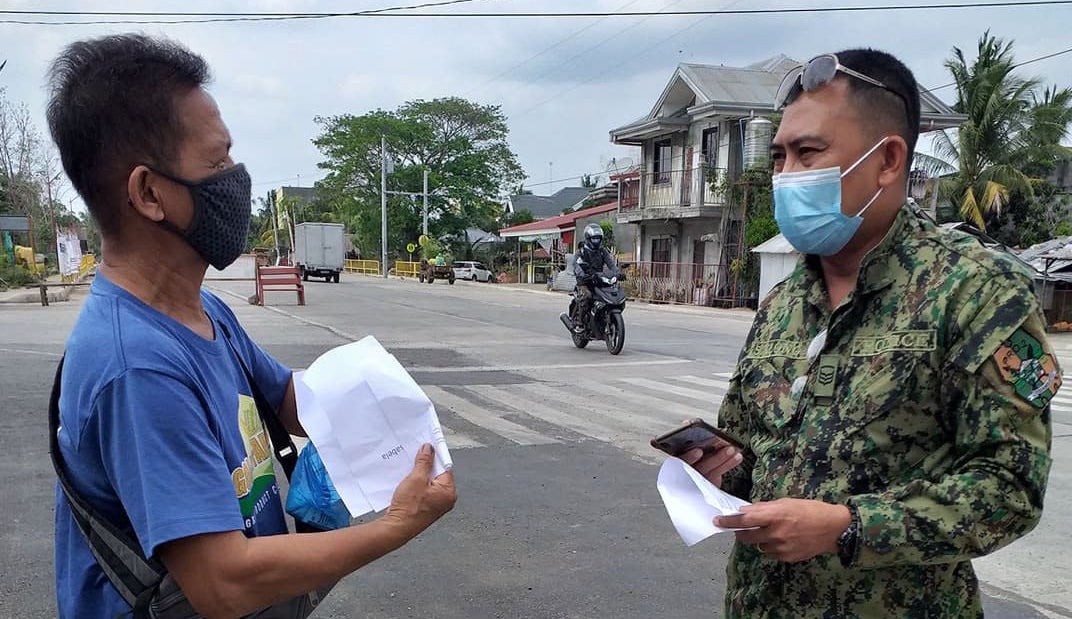
They’re patients, physicians, pharmacists, police officers, caregivers, and cancer care advocates stepping up to help vulnerable patients continue to have access to treatment throughout the global pandemic closures.

October 19th marks the anniversary of Max’s birthday. It is a day of mixed emotions; a beautiful life cut short, so many birthdays missed, and a longing for what wasn’t. Yet today I take a step back and realize that Max’s name has become a symbol of hope, and his birthday marks a day of….
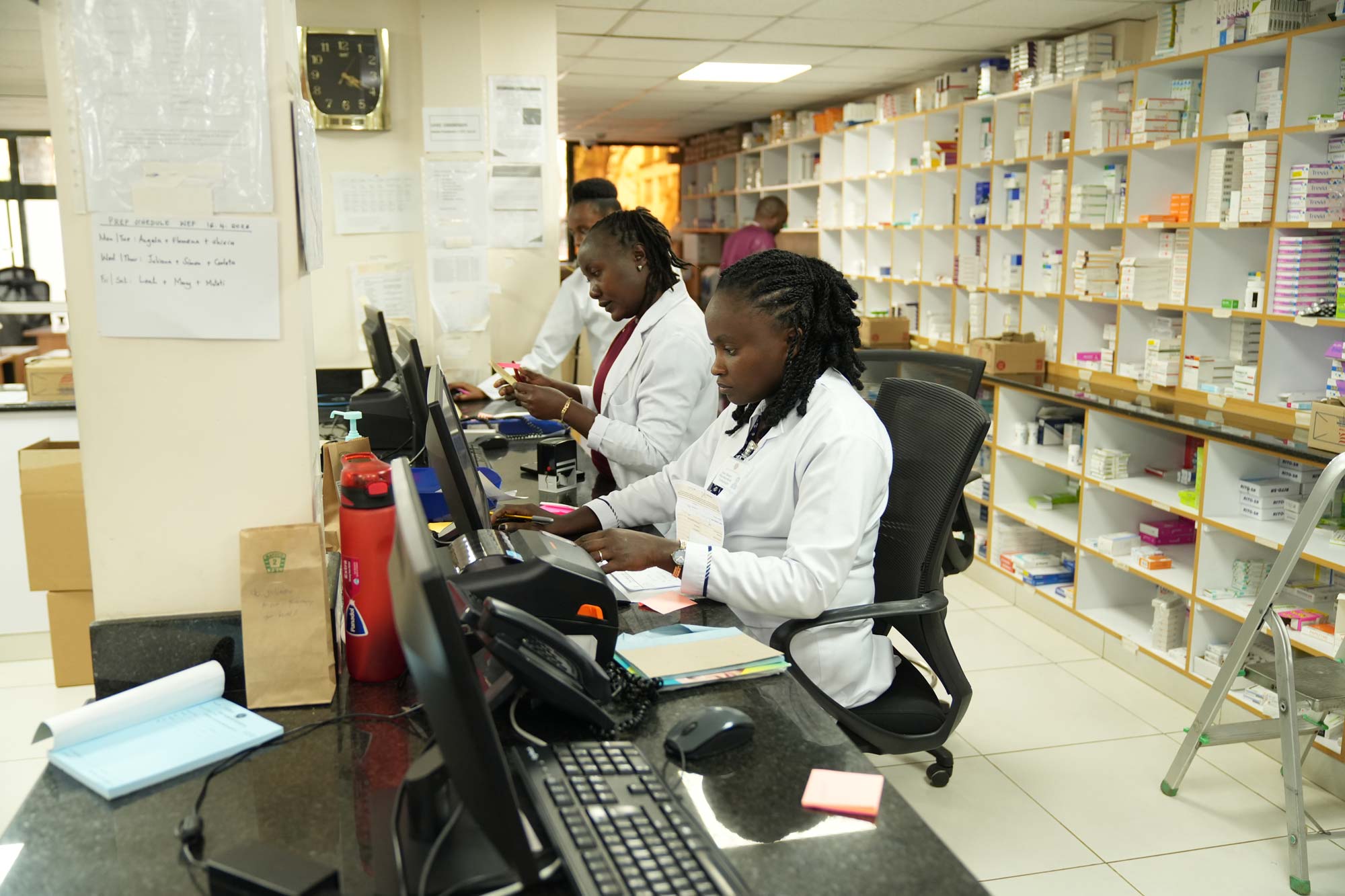
By Cathy Scheepers Africa Region Head for The Max Foundation A group of women sits around a lunch table, smiling and engaged. A burst of laughter catches my attention, and for a moment, I can imagine the scene unfolding on the patio of a restaurant not in a hospital cafeteria. Today is the first time….