
BeOne’s Cancer Has No Borders Podcast
Episode 11 of BeOne’s Cancer Has No Borders podcast features Pat Garcia-Gonzalez, the CEO of The Max Foundation. Watch Now


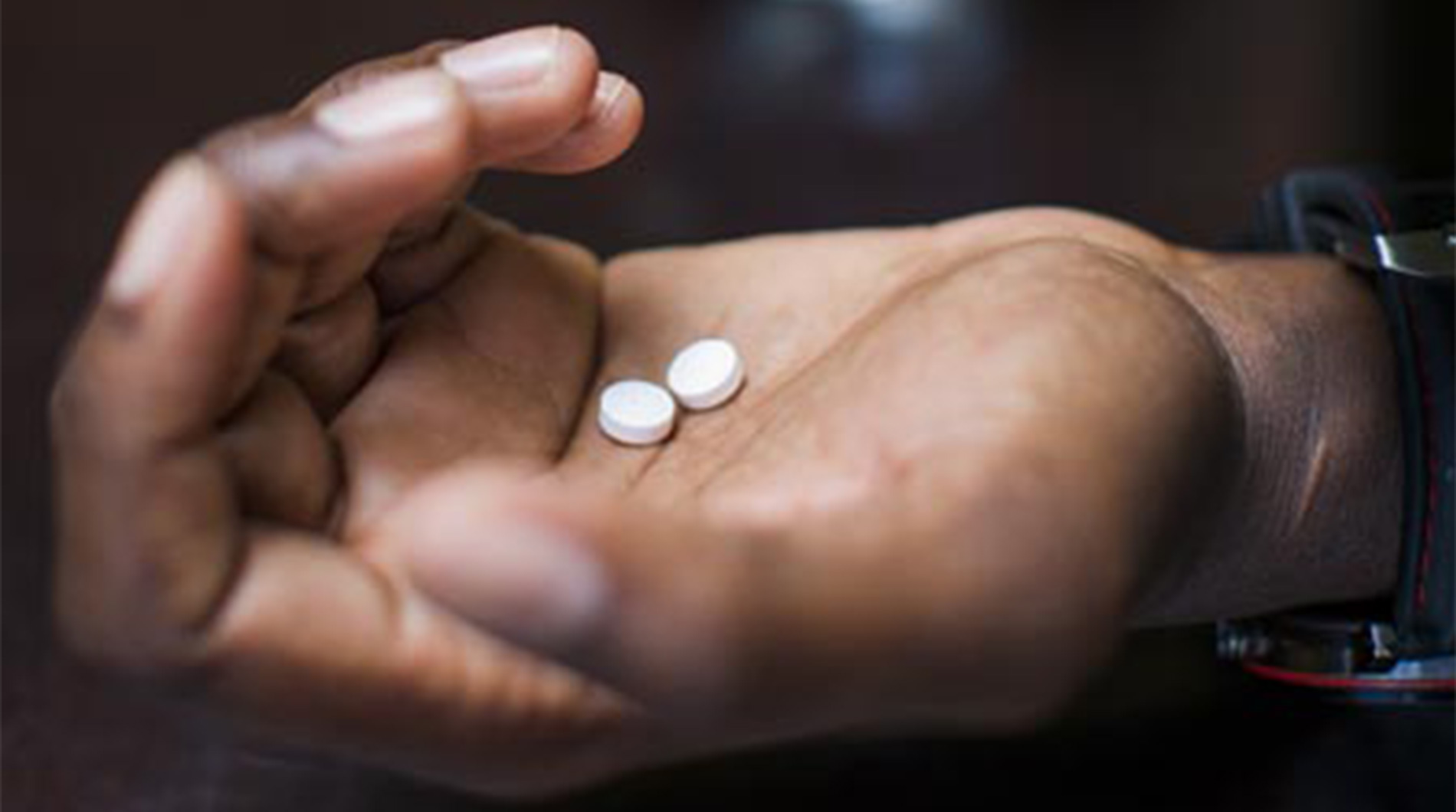
Though humanitarian donations are clearly not the only answer to the complex challenges facing the global oncology community, they do have a critical role to play in reducing inequities in care and extending the lives of certain populations whose local economies and health systems remain years or decades away from facilitating solutions on their own.
In a recent commentary published in the Journal of Global Oncology, co-authors Pat Garcia-Gonzalez MA, Gilberto Lopes MD, Erin Schwartz MSW, and Lawrence Shulman MD, clearly outline the need and efficacy of humanitarian donation programs using lessons learned from the success of joint access initiatives between Novartis and The Max Foundation.
In addition to providing concrete evidence for the need and efficacy of humanitarian donation programs, the paper also demonstrates the terrible human cost that would result from their absence. Garcia-Gonzalez and her co-authors write:
“…in this era of globalization, we are leaving our friends behind and they know it. There is only one thing worse than hearing your loved one is diagnosed with cancer. It is to be told that there is a treatment that could help, but because of the place where you live, your loved one cannot access it and will therefore die a premature and avoidable death.”
The Max Foundation is a leading global health nonprofit organization dedicated to accelerating health equity. For 28 years, Max has pioneered practical, scalable, high-quality solutions to bring life-extending treatments and patient-centered health care to more than 100,000 people living with cancer and critical illness in low- and middle-income countries. Max believes in a world where all people can access high-impact medicines, where geography is not destiny, and where everyone can strive for health with dignity and with hope.
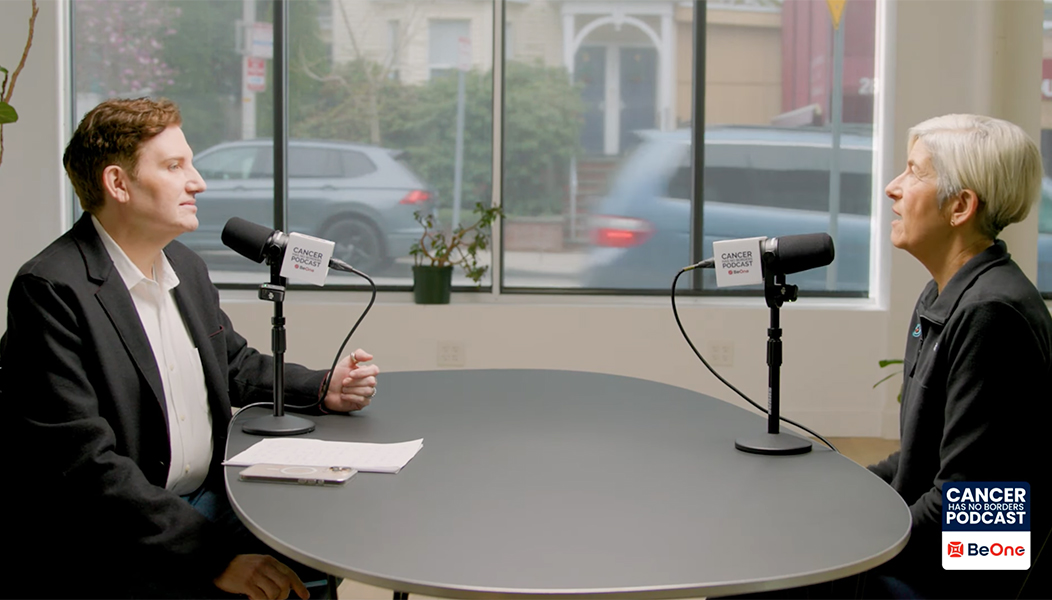
Episode 11 of BeOne’s Cancer Has No Borders podcast features Pat Garcia-Gonzalez, the CEO of The Max Foundation. Watch Now
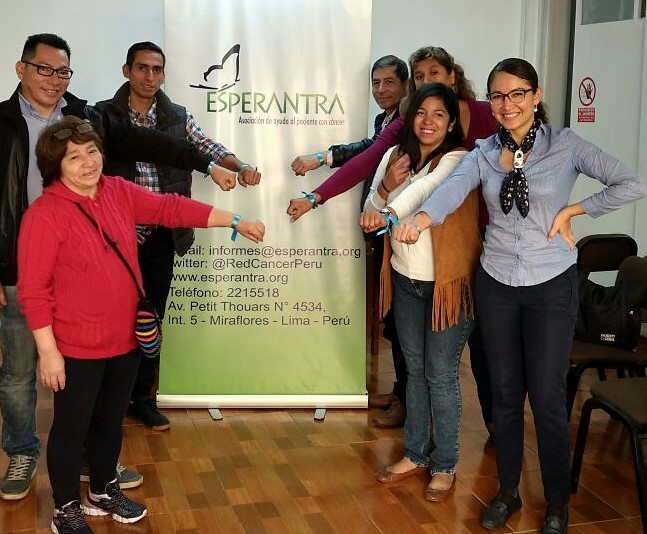
The Max Foundation and partner NGO Esperantra are pleased to announce they have signed a new MOU that will help patients in Peru gain access to treatment.
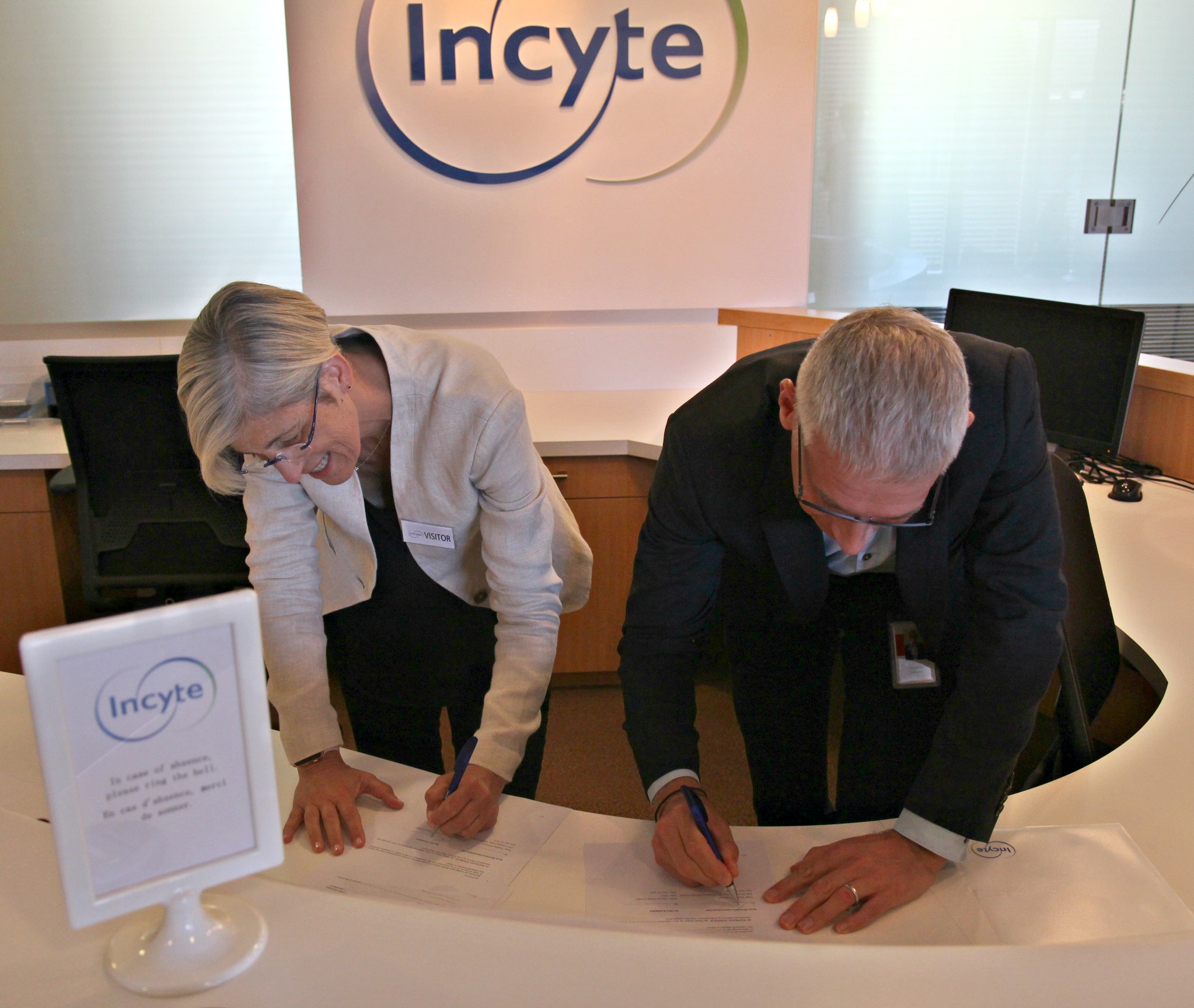
The Max Foundation has renewed and expanded its treatment-access agreement with Incyte in Europe. The agreement will now provide treatment access for up to 50 patients in Eastern Europe and Central Asia.