
Creating Space for Community
How we continue providing emotional support for people facing cancer throughout COVID-19


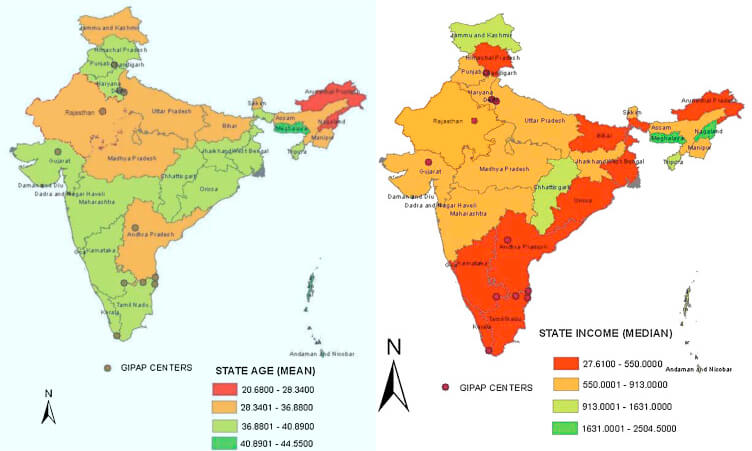
A new study in Clinical Epidemiology and Global Health features the Glivec®Patient Assistance Program (GIPAP) and reveals that “chronic myelocytic leukemia (CML) is diagnosed at an earlier age in poorer populations than in more affluent populations.” The study focused on India’s CML population to investigate other possible contributors to early age at onset. The team of authors include our very own South Asia Region Head Viji Venkatesh, and Max CEO Pat Garcia-Gonzalez, as well as Paul H. Levine, Kunal Ajmera, Brenna O’Neill, Heather J. Hoffman.
The study is only available to the public for a limited time so if you know a physician or researcher that would benefit from this study, share it today!
The Max Foundation is a leading global health nonprofit organization dedicated to accelerating health equity. For 28 years, Max has pioneered practical, scalable, high-quality solutions to bring life-extending treatments and patient-centered health care to more than 100,000 people living with cancer and critical illness in low- and middle-income countries. Max believes in a world where all people can access high-impact medicines, where geography is not destiny, and where everyone can strive for health with dignity and with hope.
How we continue providing emotional support for people facing cancer throughout COVID-19

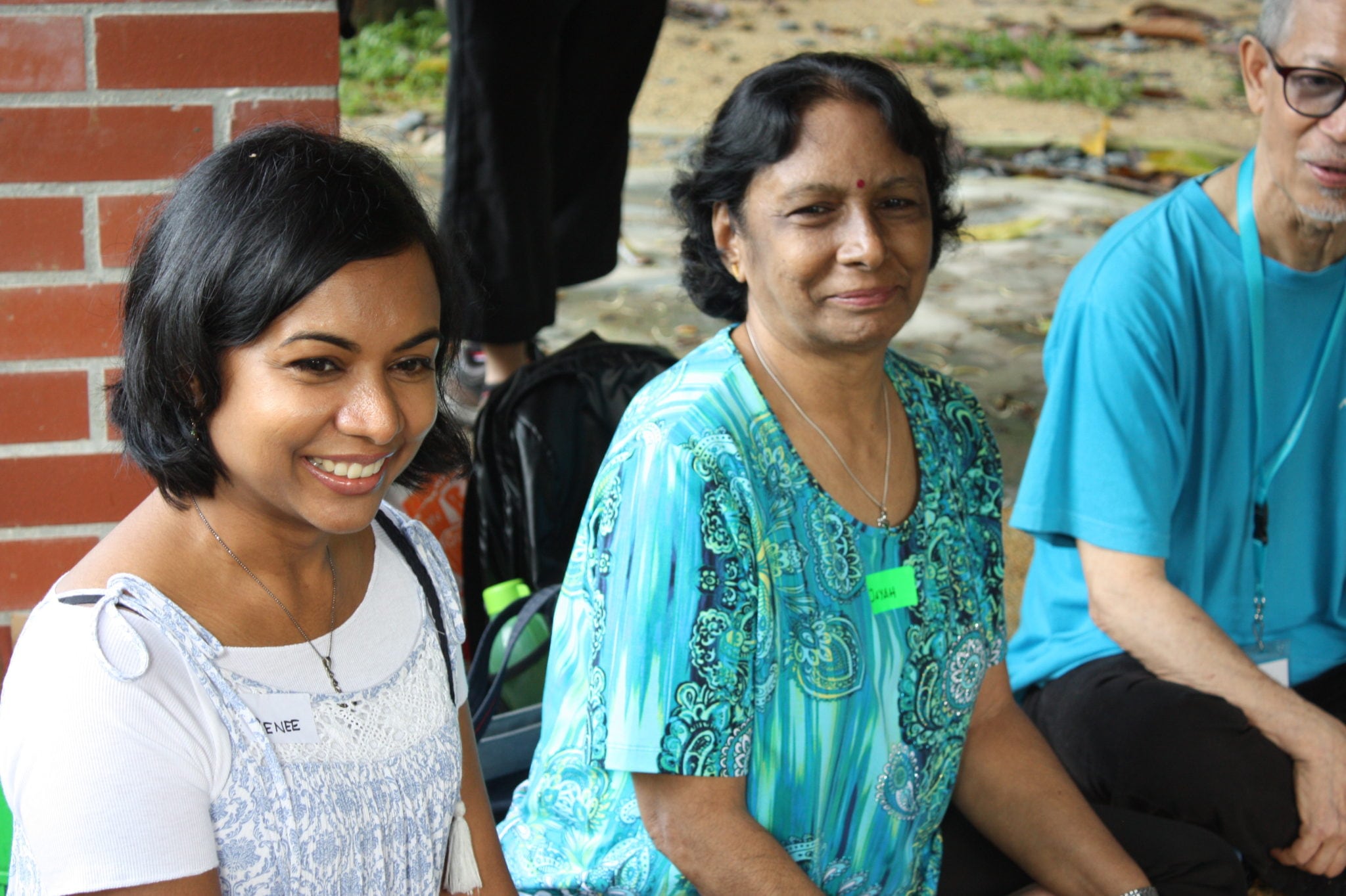
This year, the Malaysia team set a goal of creating deeper connections in our local patient initiatives. We wanted to see our patient community connect with each other. We changed the format of our patient workshops from seminars into intimate, casual gatherings. “Let’s Sama-Sama” (Let’s Come Together) is a space for patients to build stronger relationships with each other and to encourage….
Health systems around the world are strained due to the high burden of costs. In an attempt to guide decision-makers in their choices on behalf of patients, the topic of value frameworks was born. These value frameworks evaluate all aspects of cancer treatment: clinical benefit, side effects, and improvement in patient symptoms or quality of life. But given the complexities of the multitude of health systems around the world, it is not a straightforward discussion. And right now, it’s a dialogue driven by thought leaders and health economists from the US and Europe. But there are critical voices is missing from this discussion: patients and patient advocates.