Vulnerability
“Don’t cry baby, you’re a strong kid,” what I normally hear when parents try to console their children here. As I’m growing older (there you go my honest confession), I come to learn it’s okay to cry, to be sad and to be vulnerable at the certain time.
These past two weeks also in a way regained my perspective about vulnerability.
Each month, I call all 18 families of Max Schooling Project, an initiative of The Max Foundation to support children whose families are affected by a cancer diagnosis. January marked my first “anniversary” of our relationship. If I can describe our relationship in marriage term, it’s still in “honeymoon” phase.
I am beyond grateful to learn so much about people and real challenges. Challenges such as: families with only RM 900 (around $200) to spend monthly with 5 children; families living with grandparents because they could not afford housing; or eldest children needing to drop out school to support their families…I heard them all. It hit me when I recently spoke with a mother and she burst into tears while telling me her struggles. I was unsure on how to best console her, so I chose to keep silent for a moment. I let her being vulnerable. I should not stop her from crying, that’s one thing I was sure about.
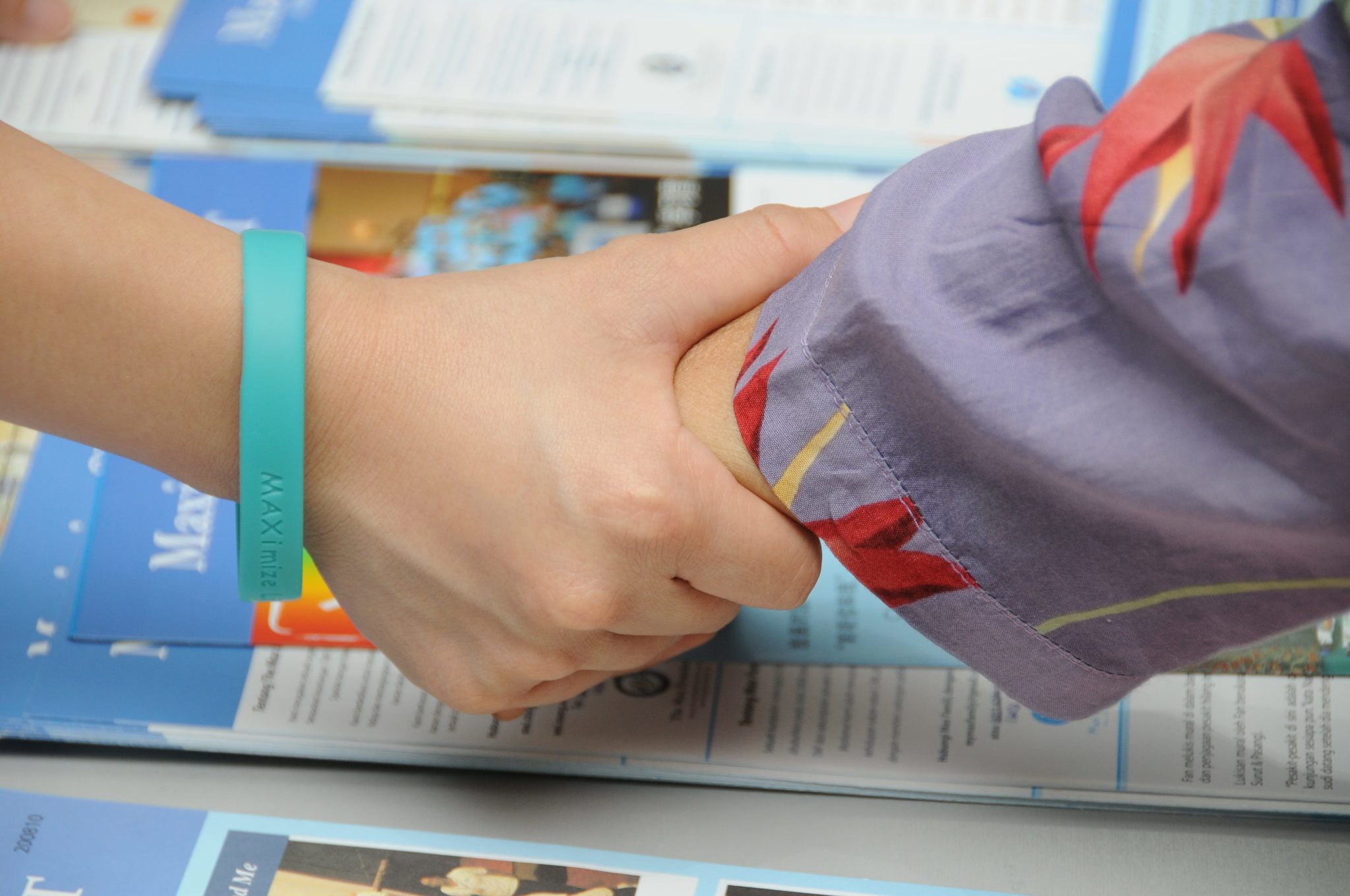
That’s when I found myself reflecting about vulnerability. In a way, vulnerability is an impact. After hours of phone calls throughout the year, families have opened themselves up to me. The vulnerability is not just a spur of the moment but hopefully built on mutual trust and respect. I gain a new perspective about vulnerability – it draws out your strength when you respond to it with care.
When someone is vulnerable to us, it comes with a sense of responsibility. At The Max Foundation, we value that our patients open up themselves, telling things they are fearful of or things that may be viewed as “weaknesses”. It’s not just about how much money they earn per month, but about their life. It goes beyond facts, you know. We’re dealing with real people with very real feelings. When someone is vulnerable, I have focused less on trying to say the right thing, and more on attentively listening to them first and lifting them up in the midst of their grief.
I can’t wait to unfold their beautiful stories through my next monthly phone calls. We learn best when we are willing to listen. The most important thing is being vulnerable is not being weak. That’s what I have learned through this initiative. I am grateful to be able to learn about the precious lessons from my day-to-day job.