Shining a Light on Punam’s Persistence
Getting a diagnosis and treatment for rare diseases is challenging, especially in low- and middle-income countries.
Punam from Nepal endured months of symptoms before she found out she had paroxysmal nocturnal hemoglobinuria (PNH), a rare and debilitating disease that causes red blood cells to break apart.
“I stayed in the hospital for 45 days before I was finally diagnosed with PNH,” she said. “Even after that, I had heart problems and severe pain. It was very difficult.”
It started in 2016 when Punam fainted at work. Then, a few months later, she became very weak and her urine stopped completely. Her hemoglobin, a protein in red blood cells that carries oxygen to organs and tissues, dropped to dangerously low levels. Doctors gave her multiple blood transfusions to keep her alive.
Still, Punam had no idea what was wrong. She had to have dialysis for six months before being admitted to the hospital for 45 days. Finally, she was diagnosed with PNH. But the road ahead was still uncertain.
Dr. Mipsang Lama, one of our partner physicians at Patan Hospital in Nepal, said PNH used to be something they could diagnose but not truly treat. Instead, they’d have to address symptoms with blood transfusions, iron chelation therapy, and folic acid supplementation. Learn more about Dr. Mipsang’s experience treating PNH here.
“As a physician, the most difficult part was knowing what needed to be done, yet not being able to provide it,” he said. “Many of these patients are young and often women who had not yet started families. I could offer temporary stabilization, but not a real solution. It felt like providing care without truly offering hope.”
At the end of 2024, The Max Foundation expanded its partnership with Novartis to include access to treatment for PNH. Now, patients in Nepal are getting the medication they need and physicians are receiving training that provides a framework to better understand the disease.
“Patients who had lived for years on the edge of survival suddenly showed visible, measurable recovery,” Dr. Mipsang said. “They felt stronger. They functioned better. Their bodies responded in ways we had almost stopped expecting. What once felt impossible gradually became part of routine care.”
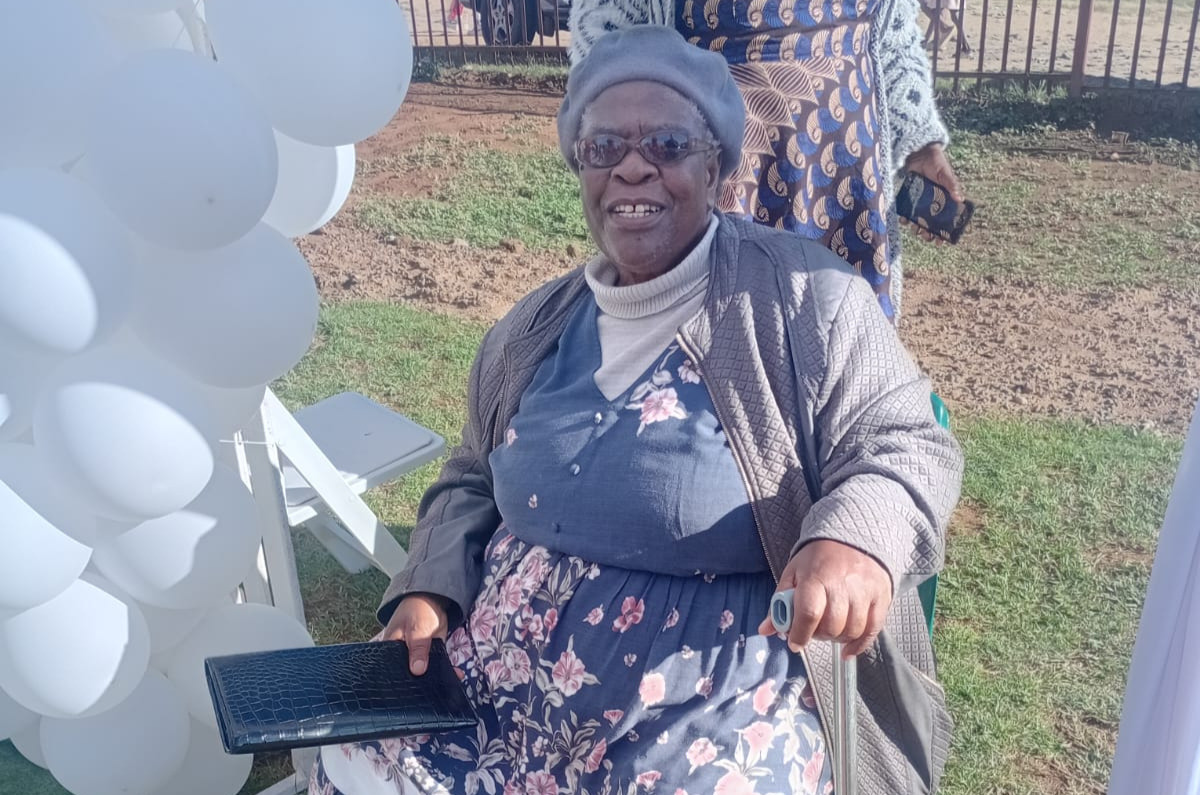
Punam is now experiencing this measurable recovery. Her hemoglobin levels have stabilized, which allowed her to return to work at a bank. She’s reclaiming the parts of her life that once felt lost.
“With this new treatment, I feel hopeful about my life,” she said.