Leading the Way in Drug Quality and Patient Safety

Leading the Way in Drug Quality and Patient Safety

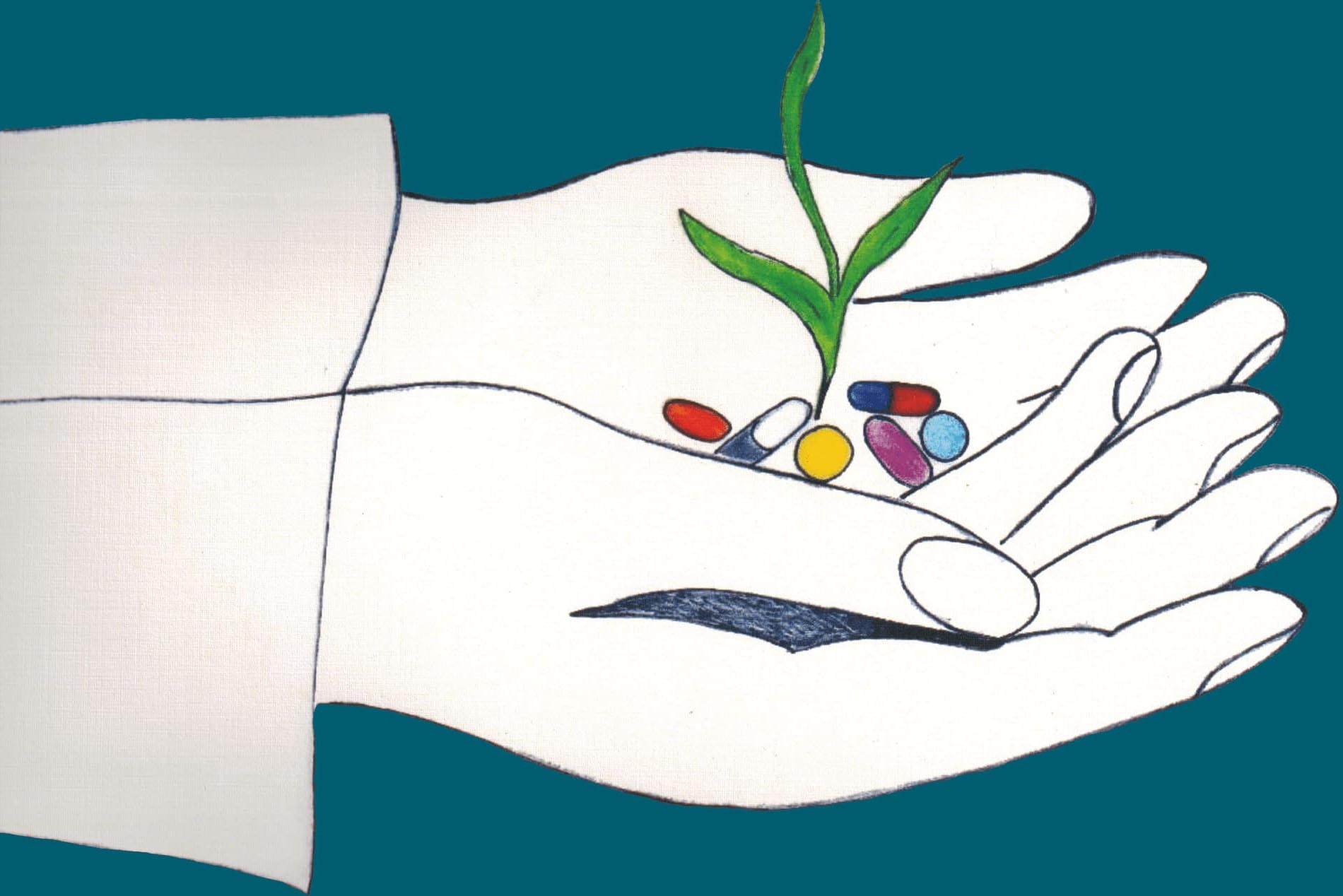
Each year, The Max Foundation channels millions of doses of cancer medicines to thousands of patients around the globe, some of whom have accessed treatment through our programs for more than a decade. With such a large, enduring, and diverse patient population, it’s important that we play our part in contributing to the body of knowledge regarding drug side effects.

Knowing whether a particular drug will cause a severe reaction in someone with heart disease, for instance, is critical information when making treatment decisions. And cancer treatment often involves a series of difficult decisions. No one can guarantee that your specific cancer will respond to a specific therapy. Nor can anyone guarantee that the list of scary side effects won’t become your new normal.

That’s why reporting these side effects is so important. And that’s why we’ve developed systems to ensure adverse event reports are shared promptly with local health authorities through prescribers, and with drug manufacturers alike.

In addition to benefitting the medical and patient communities at large, our reports also fill an important gap in countries where national systems for collecting them are less developed. We can support prescribers in these countries by guaranteeing reports make their way into global repositories of information regarding the safety of cancer drugs.

You can learn more about the systems we’ve pioneered, from committing staff resources to building a web-based reporting form, in our publication in the journal Globalization and Health, “A pharmacovigilance system for treatment access and medical donation programs: The Max Foundation experience”.

All of us who work in the field of medical donations have the potential to contribute directly to patient safety. If you’re interested in learning more about our efforts, or learning how your organization can do more with reporting, I hope you’ll connect with us.

The Max Foundation is a leading global health nonprofit organization dedicated to accelerating health equity. For 28 years, Max has pioneered practical, scalable, high-quality solutions to bring life-extending treatments and patient-centered health care to more than 100,000 people living with cancer and critical illness in low- and middle-income countries. Max believes in a world where all people can access high-impact medicines, where geography is not destiny, and where everyone can strive for health with dignity and with hope.

Related Articles

  • Un Paso Max: Going the Extra Mile in the Dominican Republic

    Un Paso Max: Going the Extra Mile in the Dominican Republic

    Un Paso Max, meaning “Un Paso Mas” (One More Step) is a fitting name for a group led by cancer survivors who are willing to take an extra step to help others. Un Paso Max is the name of the CML and GIST patient association in the Dominican Republic. One can trace the origins of this group to a small meeting in 2008. It only took a bit of encouragement and support on the part of The Max Foundation to unlock the passion of a handful of courageous survivors in Santo Domingo, and the seed of a patient association was planted.

  • Critical Partnerships are Saving Lives Globally

    Critical Partnerships are Saving Lives Globally

    All of us at The Max Foundation are wholly committed to maximizing every opportunity to collaborate and build new partnerships on behalf of the patients we serve in low resource settings. We are excited to move onward to a new chapter with innovative opportunities to expand our impact. We hope you will see a place for yourself to join us in this effort to close the cancer divide!

  • Stories of Survival in Africa

    Stories of Survival in Africa

    Thousands of patients are diagnosed with chronic myeloid leukaemia (CML) annually around the world. CML, like any other cancer, does not discriminate. It affects people from all regions and walks of life. However, unlike many other cancers, CML has an amazing story due to advancements made in its treatment in the last decade. It was only 15 years ago that a patient newly diagnosed with CML would have a prognosis of survival of less than 5 years with the treatments available at the time.